
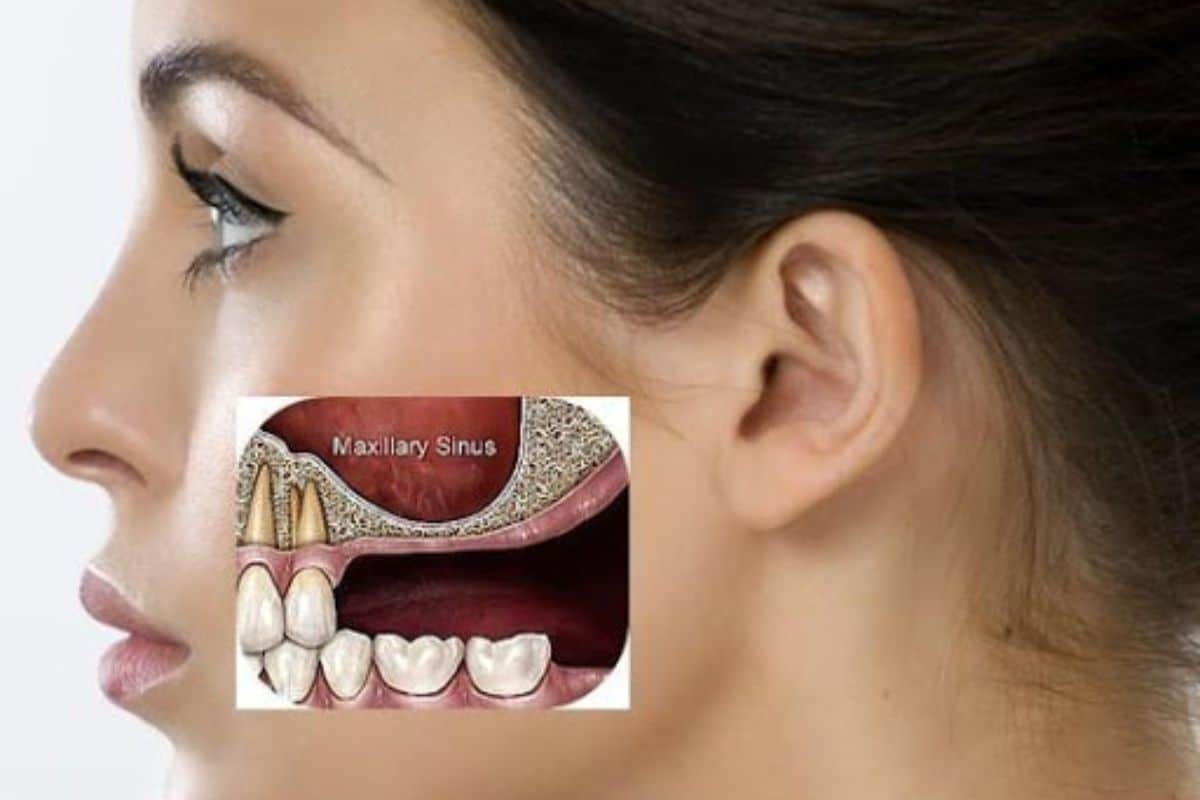
Dental implants have become one of the most popular and effective solutions for replacing missing teeth. However, for implants to be successful, they require a sufficient amount of bone in the jaw to anchor them securely. In some cases, particularly in the upper jaw near the back teeth, there may not be enough bone to support implants. This is where sinus grafting, also known as a sinus lift or sinus augmentation, comes in. If your dentist has recommended sinus grafting, here are some important things to know about the procedure and what to expect.
1. What Is Sinus Grafting?
Sinus grafting is a surgical procedure that adds bone to the upper jaw, specifically in the area where the molars and premolars are located. This is done to create a solid foundation for dental implants. The procedure involves lifting the sinus membrane and placing bone graft material in the space between your jaw and the floor of your sinuses.
The new bone material eventually integrates with your natural bone, allowing for the secure placement of dental implants.
2. Why Would You Need Sinus Grafting?
Not everyone who needs a dental implant in the upper jaw will require a sinus graft. However, there are specific reasons why this procedure might be necessary:
- Insufficient Bone Height: After tooth loss, the jawbone can shrink over time due to a lack of stimulation. This is particularly common in the upper molar region, where the bone is naturally thinner.
- Enlarged Sinus Cavity: The sinuses naturally expand as we age. If the sinus cavity has grown too large, there may be very little bone between the sinus and the mouth, making it difficult to place an implant.
- Previous Bone Loss: Patients who have suffered from periodontal disease or trauma may also experience bone loss, necessitating the need for bone grafting before implants can be placed.
3. The Procedure: What to Expect
Sinus grafting is a routine dental surgery performed by an oral surgeon or periodontist. Here’s a breakdown of the process:
Pre-Surgery Planning
Your dentist will take a series of X-rays or CT scans to evaluate your sinuses and determine the amount of bone you need. This step is crucial to ensure that the graft material is placed accurately and safely.
During Surgery
- Anesthesia: You will receive local anesthesia to numb the area. Some patients opt for sedation to stay more comfortable during the procedure.
- Access to Sinus Cavity: Your surgeon will make an incision in the gum tissue to expose the bone. A small window is created in the bone to access the sinus cavity.
- Lifting the Sinus Membrane: The sinus membrane, which lines the sinus cavity, is carefully lifted away from the jaw.
- Bone Graft Placement: The surgeon places bone graft material (either from your own body, a donor, or synthetic materials) into the space between your jawbone and the raised sinus membrane.
- Suturing: The incision is closed, and the healing process begins.
4. Types of Bone Grafts
The material used for sinus grafting can vary, and your surgeon will choose the best option based on your individual needs. Common types include:
- Autograft: Bone taken from another part of your body, such as the hip or tibia.
- Allograft: Bone sourced from a donor, usually through a tissue bank.
- Xenograft: Bone from an animal source, commonly bovine (cow) bone.
- Alloplast: Synthetic bone graft materials made from biocompatible substances.
5. Recovery and Healing
After sinus grafting, it can take several months for the bone graft material to integrate with your existing bone. The healing time typically ranges from 4 to 9 months, depending on the complexity of the graft and the patient’s healing process.
Here are some things to expect and tips for recovery:
- Swelling and Discomfort: It’s common to experience some swelling, discomfort, and minor bleeding after the procedure. Your dentist will likely prescribe pain medication and antibiotics to manage discomfort and prevent infection.
- Follow Post-Surgery Instructions: Avoid blowing your nose or sneezing forcefully during the first few weeks, as this could dislodge the graft material or disturb the healing process.
- Diet: Stick to a soft-food diet for a few days and avoid hot or spicy foods. Drink plenty of water, but be cautious with using straws as the suction can impact the graft.
- Sinus Precautions: Your surgeon may also recommend saline sprays to keep the nasal passages moist and decongestants to reduce sinus pressure.
6. When Can You Get Dental Implants?
Dental implants are not typically placed on the same day as a sinus graft. The grafted bone needs time to integrate and heal before it can support implants. In most cases, you will need to wait several months (usually 4–9 months) before your dentist can proceed with placing the implants. This time allows the new bone to strengthen and become part of your natural jaw structure.
In some cases, if there is enough remaining bone, the implants may be placed at the same time as the sinus lift. Your dentist will determine the best approach based on your bone structure and overall oral health.
7. Are There Risks?
As with any surgical procedure, sinus grafting comes with some risks, though complications are rare when performed by an experienced surgeon. Potential risks include:
- Sinus Infection or Inflammation: The proximity of the procedure to the sinus cavity can sometimes lead to infection or inflammation, which can be treated with antibiotics.
- Membrane Perforation: In some cases, the sinus membrane may tear during surgery. If this happens, the surgeon will repair it, but it may delay the placement of the graft.
- Graft Failure: In rare cases, the graft may not integrate with your natural bone, requiring another graft procedure.
8. Success Rate of Sinus Grafting
Sinus grafting has a very high success rate, typically between 90% and 95%. The success of the procedure depends on factors like the patient’s overall health, the quality of the bone graft material, and the experience of the surgeon.
Patients who follow their surgeon’s post-operative instructions and maintain good oral hygiene are more likely to have a successful outcome and a smooth recovery.
Sinus grafting is a critical procedure for many patients looking to get dental implants in the upper jaw. While the idea of lifting your sinus and placing bone material may sound intimidating, it is a safe and routine procedure with a high success rate. With the right care and an experienced dental surgeon, sinus grafting can help ensure that your dental implants are placed securely, giving you the functional and aesthetic smile you desire. If you’re thinking about getting implants and could need a sinus graft, talk to Dr. Jason Augustine DDS in Phoenix about the best options for your oral health.
