
Have you started noticing the effects of a missing tooth beyond the visible gap? Difficulty chewing certain foods, shifting teeth, avoiding photos, or feeling less confident during conversations are often early signs that tooth loss is affecting daily life as well as appearance.
For many people considering dental implants, the biggest question is not whether implants work, but whether they are a good candidate for the procedure. Factors like jawbone support, gum health, medical history, and long-term oral habits all play an important role. Understanding what dentists evaluate before recommending implants can help patients feel more informed and confident before starting treatment.
At Dr. Jason Augustine DDS, patients receive personalized evaluations to identify the most appropriate treatment approach for their long-term oral health goals. With extensive experience in periodontal care and implant dentistry, the practice focuses on helping patients restore both function and confidence through carefully planned solutions.
However, understanding what dentists look for during the implant evaluation process can make the entire experience feel less overwhelming. From bone density and gum condition to lifestyle habits and healing ability, several factors can influence your candidacy for receiving dental implants in Phoenix. Exploring these details can help you understand what may affect your treatment options and what steps could improve your chances of implant success.
Does The Health Of Your Jawbone Determine Everything?
In short, yes, it is one of the most important factors.
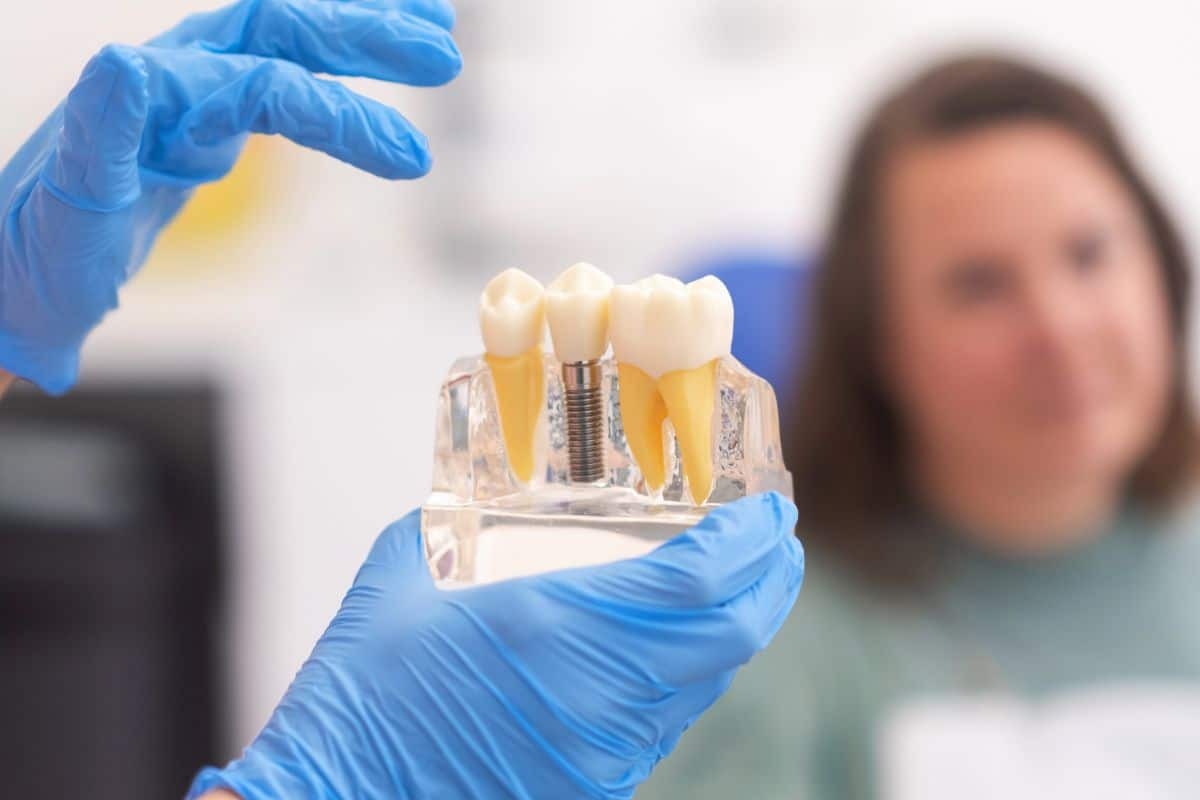
Implants are titanium posts placed directly into the jawbone. For them to hold, the bone must be dense enough and wide enough to support that post as it fuses and integrates over time. If you have had a missing tooth for several years, the bone in that area may have already started to shrink. This is called bone resorption, and it happens naturally when a tooth root is no longer stimulating the jaw.
Here is what this means for you:
- Sufficient bone density: Your dentist will take 3D imaging to measure the available bone before recommending placement.
- Bone grafting as a solution: If bone volume is low, a graft can rebuild it. This adds time to the process, but does not disqualify you.
- Sinus proximity for upper jaw: Patients missing upper back teeth may need a sinus lift procedure if the sinus cavity sits too close to the implant site.
The good news is that inadequate bone density is a manageable condition, not a permanent barrier.
How Much Does Your Overall Health Matter?
More than most patients expect, and for reasons that go beyond the obvious.
Implant placement is a surgical procedure. Your body’s ability to heal, fight infection, and integrate new materials directly affects how successfully the implant fuses with your bone. Certain health conditions require careful planning, but they do not automatically exclude you from consideration.
What your dentist will ask about:
- Blood sugar levels: Patients with poorly managed diabetes heal more slowly and face a higher risk of infection around the implant site. When blood sugar is consistently well-controlled, outcomes improve significantly, and implants can absolutely be a viable option.
- Autoimmune conditions: Conditions that affect the immune response require your dentist to coordinate closely with your physician before proceeding.
- Blood thinners and certain medications: Some medications affect bone metabolism and healing timelines, so a full medication review is always part of the process.
- Heart conditions: Most patients with heart conditions can still receive implants, but a medical clearance may be required first.
Phoenix summers are intense, and many residents manage chronic conditions that are closely tied to lifestyle habits. Staying on top of your overall health is not just good advice; it is directly connected to how well your body responds to any oral surgical procedure.
What Role Does Tobacco Use Play In Your Candidacy?
This is the one factor that most patients underestimate, and it deserves a direct answer.
Dental implants in Phoenix are placed across a wide range of patients, but tobacco use consistently stands out as one of the top risk factors for poor outcomes. Here is why: nicotine constricts blood vessels, reducing blood flow to healing tissues. That restricted circulation slows osseointegration, the process by which the implant bonds with the bone. Reduced healing also raises the risk of infection in the surrounding gum tissue.
What this means practically:
- Current smokers face a notably higher rate of implant complications and long-term failure compared to non-smokers.
- Patients who quit before placement have significantly improved odds. Many dentists recommend stopping at least a few weeks before surgery and continuing throughout the healing period.
- Smokeless tobacco carries similar risks and should be disclosed during your consultation.
This is not about judgment. It is about giving your investment the best possible chance of lasting a lifetime.
Are Your Gums Healthy Enough To Support This Treatment?
Gum health is the foundation that surrounds every implant, and it is evaluated carefully before any placement decision is made.
Active gum disease introduces bacteria into the tissue directly around where the implant will sit. That bacterial environment dramatically increases the risk of peri-implantitis, which is an infection of the tissue around the implant that can lead to bone loss and eventual failure. The encouraging part is that gum disease is treatable. Most patients who receive proper periodontal care before their procedure achieve successful outcomes.
Signs that your gums may need attention before moving forward:
- Bleeding when brushing or flossing: This is one of the earliest and most common indicators of gum inflammation.
- Receding gum line: If gums have pulled back from the teeth, the tissue around a future implant site may need evaluation and treatment first.
- Persistent bad breath: This can indicate bacterial buildup beneath the gum line and should be addressed before any surgical procedure.
Does Your Age Or Stage Of Life Affect Whether You Qualify?
Age works in both directions here, and both ends of the spectrum have specific considerations.
For younger patients, implants are typically not recommended until the jawbone has fully developed. In most cases, this means waiting until the late teens or early twenties. Placing an implant before the jaw finishes growing can disrupt natural development and lead to misalignment over time.
For older adults, age alone is not a disqualifying factor. Many patients in their 60s, 70s, and beyond receive implants successfully every year. What matters more than age is overall bone health, systemic health status, and healing capacity.
Families in Phoenix who are exploring tooth replacement options for both aging parents and young adult children often ask about this range. The answer is that candidacy is assessed individually, not by a number on a calendar.
What Happens During A Candidacy Evaluation?
Knowing what to expect removes the uncertainty from that first appointment.
A thorough evaluation at a qualified dental office goes well beyond a quick look in your mouth. Here is what a complete assessment typically includes:
- Digital X-rays and 3D cone beam CT scans: These provide precise measurements of bone volume, bone density, and the position of nerves and sinuses.
- Periodontal charting: Your dentist measures the depth of the pockets around your existing teeth to assess gum health.
- Medical and medication history review: A full picture of your health helps your dentist anticipate healing timelines and flag any areas that need attention first.
- Bite analysis: How your teeth come together affects how force is distributed across an implant, so this is assessed as part of treatment planning.
- Open conversation about your goals: What you want your result to look and feel like matters just as much as the clinical data.
Visit our dental office in Phoenix for a consultation that takes every one of these factors into account, so you leave with a clear, honest picture of where you stand.
We Are Here To Help You
At Dr. Jason Augustine DDS, we believe you should never leave a consultation feeling more confused than when you walked in. Our approach is to evaluate every patient as an individual, not as a checklist. Whether you are an ideal candidate today, need a little preparation first, or would benefit from exploring other options, we will tell you exactly what we see and recommend.
Phoenix is a city full of people who take their health seriously. From those who spend mornings hiking South Mountain to families managing busy schedules across the Valley, our patients lead active lives and want solutions that hold up to them. We plan treatments that are built to last and backed by the kind of honest, thorough communication you deserve from a provider you can trust.
Your next step does not have to feel overwhelming. Reach out to our team, schedule your evaluation, and let us give you the clarity and confidence to move forward.
