
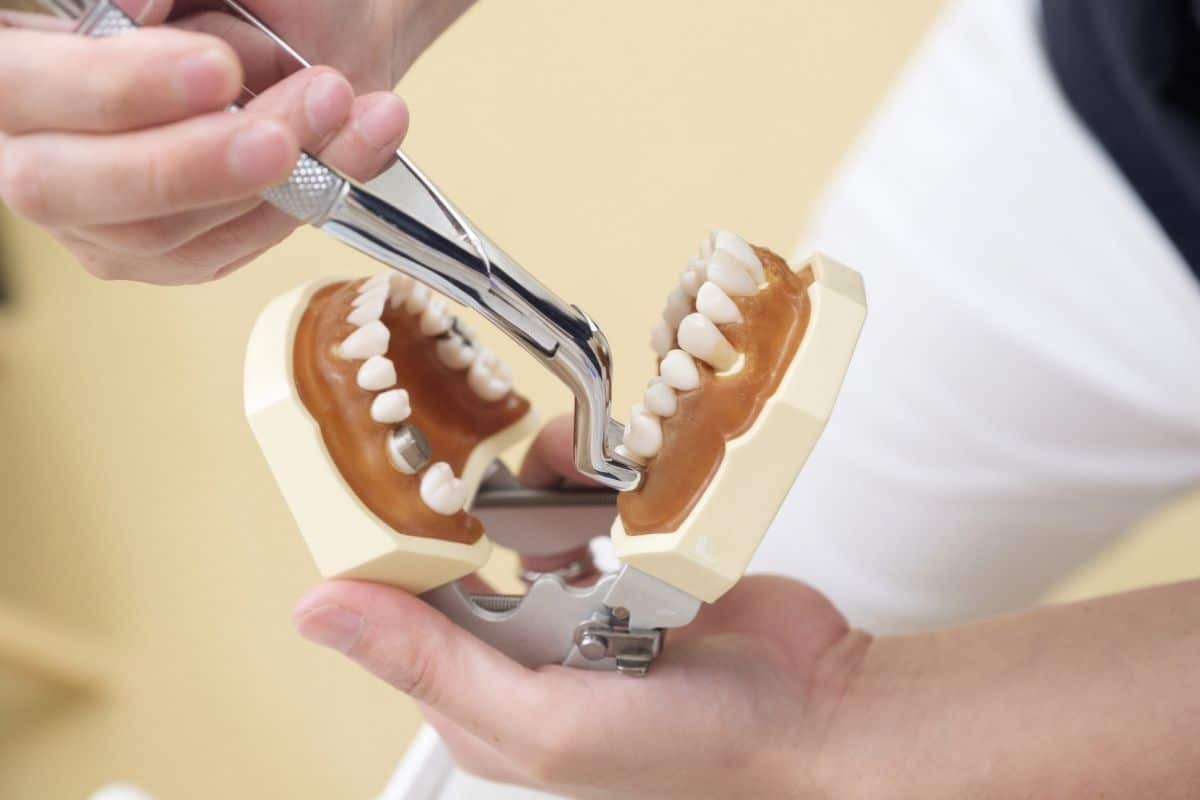
Many people focus on the pain or recovery after losing a tooth, but they often overlook what happens beneath the gums. A missing tooth can slowly affect the structure of the jawbone and change overall oral health over time.
At Dr. Jason J. Augustine, patients often ask whether removing a tooth can lead to long-term dental problems. The answer depends on several factors, including how quickly the missing tooth is treated and the condition of the surrounding bone.
This blog explains how tooth removal affects the jaw, why bone loss happens, and what treatment options may help protect your smile in the future.
What Happens to the Jaw After a Tooth Is Removed?
Your teeth do more than help you chew food. The roots of your teeth also stimulate the jawbone whenever you bite or chew. This stimulation keeps the bone active and strong.
After tooth extraction, the tooth root is no longer present to support that process. Without regular stimulation, the body may begin to break down the bone in that area. This process is known as bone resorption.
Bone loss can begin within the first few months after a tooth is removed. In some cases, the jaw may continue to shrink over the years if the space is left untreated.
Many patients do not notice these changes immediately because they happen slowly. However, over time, the effects can become more visible and may affect daily comfort.
How Bone Loss Can Affect Oral Health
The jawbone supports your teeth, facial shape, and overall bite alignment. When bone loss occurs, it can lead to several oral health concerns.
Changes in jawbone health may lead to:
- Shifting of nearby teeth
- Changes in bite alignment
- Difficulty chewing certain foods
- Sunken facial appearance
- Increased stress on remaining teeth
- Loose dentures or dental appliances
Bone loss can also affect future dental treatment. If too much bone is lost, some restorative procedures may become more difficult later.
Why the Jawbone Shrinks After Tooth Loss
The body naturally removes bone tissue that is no longer being used. After a tooth is removed, the jaw no longer receives pressure from the missing tooth root.
The bone in that area may slowly weaken because it no longer serves the same function. This is why replacing a missing tooth early is often important.
The amount of bone loss may depend on:
- The location of the missing tooth
- Overall gum health
- Smoking habits
- Existing bone condition
- How long the tooth remains untreated
Patients who delay treatment for years may experience more noticeable changes in facial structure and oral function.
Common Reasons for Tooth Removal
There are many situations in which removing a tooth may be necessary. Dentists usually recommend removal only when the tooth cannot be restored safely.
Common reasons include:
Severe Tooth Decay
Deep decay may damage the tooth beyond repair and increase the risk of infection.
Advanced Gum Disease
Gum disease can weaken the bone and tissue supporting the tooth.
Cracked or Broken Teeth
Some fractures extend below the gum line and cannot be treated with crowns or fillings.
Impacted Wisdom Teeth
Wisdom teeth may become trapped beneath the gums and create pain, swelling, or crowding.
Dental Infections
Untreated infections may spread to surrounding tissue and affect overall oral health.
Signs That Bone Loss May Be Developing
Bone loss often happens gradually, so many people do not notice the early warning signs. Regular dental visits help monitor changes after tooth removal.
You should schedule a dental evaluation if you notice:
- Difficulty chewing
- Loose nearby teeth
- Changes in facial appearance
- Jaw discomfort
- Shifting teeth
- Changes in denture fit
Early treatment may help slow further damage and preserve oral function.
Treatment Options That May Help Protect the Jawbone
Several dental treatments may help reduce bone loss after a tooth is removed. The right option depends on your oral health and long-term goals.
Bone Grafting After Removal
A bone graft is often placed into the empty socket after tooth removal. The graft material helps support new bone growth while the area heals.
Bone grafting may help maintain the shape of the jaw and improve future treatment options.
Dental Implants for Bone Support
Dental implants are one of the most effective ways to support jawbone health after tooth loss. The implant acts like an artificial tooth root inside the bone.
This helps create stimulation during chewing and may reduce further bone shrinkage.
Many people searching for tooth extraction in Phoenix ask about implants because they support both function and appearance over time.
Dental Bridges
A dental bridge fills the space left by a missing tooth using support from nearby teeth. Bridges restore chewing ability and appearance but do not stimulate the jawbone as implants do.
Dentures
Dentures may replace several missing teeth and improve daily function. However, traditional removable dentures may not fully prevent bone loss beneath the gums.
Your dentist can explain which treatment may fit your oral health needs.
Why Replacing Missing Teeth Early Matters
Waiting too long to replace a missing tooth may lead to additional complications. Nearby teeth may shift into the empty space, creating bite problems and uneven pressure.
Bone loss may also continue over time, which can affect speech, chewing comfort, and facial structure.
Protecting jawbone health early may help preserve your smile and improve long-term oral stability.
How Regular Dental Visits Help After Tooth Removal
Follow-up dental care is important after a tooth is removed. Your dentist can monitor healing, evaluate bone changes, and discuss replacement options before complications develop.
Patients who receive timely treatment often have more restorative options available later.
If you recently had a tooth extraction, it is important to keep regular dental appointments and discuss any changes you notice in your mouth.
When to Book an Appointment
If you are missing one or more teeth, do not ignore the changes happening beneath the gums. Bone loss may continue even if the area feels comfortable.
The earlier you seek treatment, the more options may be available to protect your oral health and smile.
If you are concerned about missing teeth, jaw changes, or future treatment options, now is the right time to book an appointment and discuss your dental needs with a trusted provider.
Maintain Long-Term Oral Health After Tooth Loss
Missing teeth can affect more than appearance. Over time, they may lead to changes in the jawbone, bite alignment, and overall oral health. Understanding the long-term effects of tooth removal may help you make informed decisions about future dental care.
At Dr. Jason J. Augustine, patients receive guidance on replacing missing teeth and protecting long-term jaw function. If you are considering tooth extraction in Phoenix or want to learn more about treatment options for missing teeth, visit our dental office in Phoenix at 4025 W. Bell Road Suite #4 Phoenix, AZ 85053. Early dental care may help support lasting jawbone health and overall comfort.
