
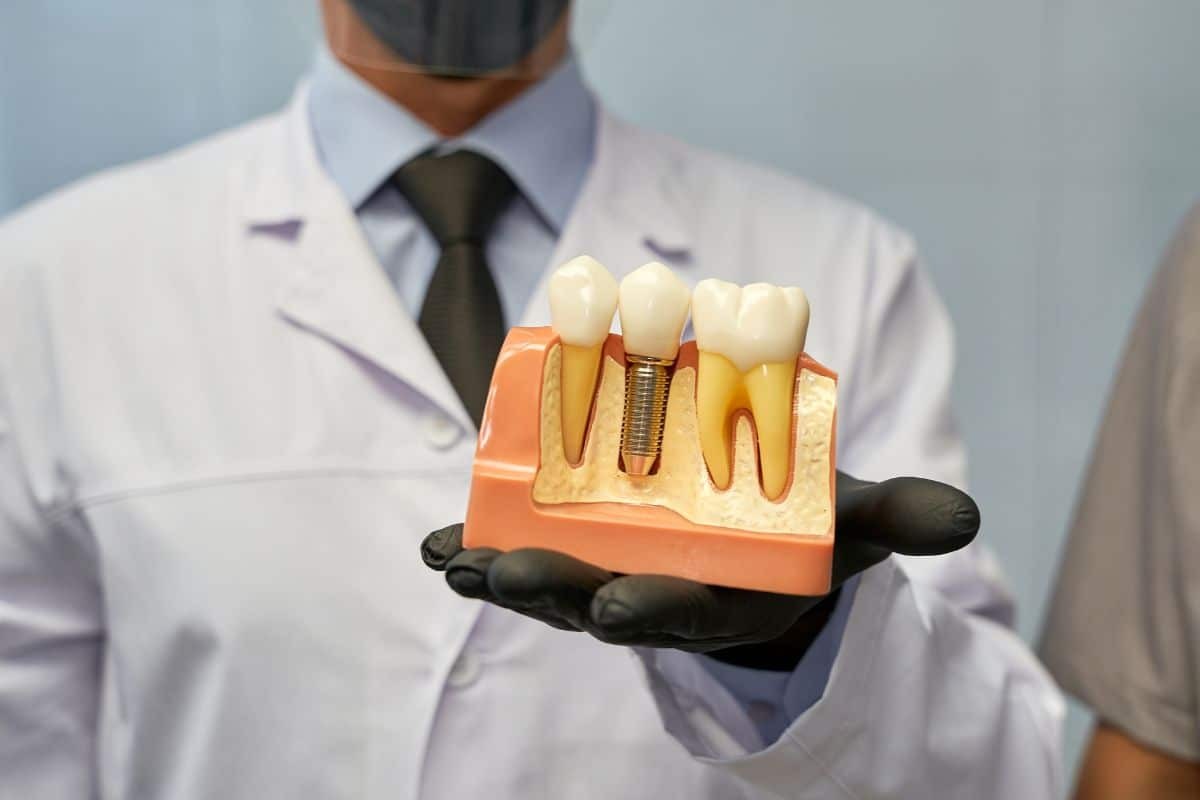
When it comes to restoring a healthy, functional smile, dental procedures like sinus lifts and bone grafts play a crucial role. These treatments are often used in patients who are looking to improve the foundation of their teeth. This occurs particularly when bone loss has resulted from injury, illness, or prolonged tooth loss. Both procedures have specific benefits and help ensure successful dental implants. Understanding the differences between the two can help you make the best decision for your oral health.
For many residents, a long-lasting, beautiful smile is a common goal. Whether you’re at the Desert Botanical Garden or Phoenix Art Museum, it’s important to have a strong foundation for your smile. At Dr. Jason Augustine DDS, we provide expert care, specializing in a wide range of dental services. Whether you are considering bone grafting in Phoenix or a sinus lift, visit the dental practice for a professional evaluation. This blog explains the differences, uses, and benefits of two dental treatments to help you choose the right one.
What is a Sinus Lift?
This process, also known as a sinus augmentation, is a surgical procedure. This is used to increase the amount of bone in the upper jaw in the area of the molars and premolars. The procedure involves lifting the sinus membrane and placing bone graft material into the space created. This procedure is often recommended for individuals who have insufficient bone height in their upper jaw due to bone loss. These are the factors you need to know about this treatment:
Importance
The upper jaw is located near the sinus cavity, and when teeth are lost, the bone in this area often shrinks over time. This procedure can help rebuild the bone, creating a stable foundation for securing dental implants.
Procedure
During the procedure, your oral health provider will make an incision in the gum tissue, lift the sinus membrane, and place bone graft material into the sinus cavity. Over time, the bone graft will integrate with the existing bone, providing the foundation needed for dental implants.
Ideal Candidates
People who have these signs might need this method:
- Patients with insufficient bone in the upper jaw due to tooth loss or decay.
- Individuals seeking dental implants in the upper jaw.
- Those who want to restore function and aesthetics to their smile.
Benefits
If you choose this treatment, then you will experience these benefits:
- Restores bone volume in the upper jaw.
- Provides a stable base for dental implants in the upper molar area.
- Enhances the aesthetic appearance by improving the support for facial structures.
What is Bone Grafting?
This is a surgical procedure used to rebuild or repair bones that have been lost or damaged due to trauma, infection, or bone resorption. It involves taking bone from another area of the body or using synthetic bone material to restore the affected area. If you are considering bone grafting in Phoenix, these are the factors you need to know:
Importance
In some cases, bone loss in the jaw can prevent successful dental implant placement. A bone graft provides the necessary support for implants, which are essential for restoring the form and function of the teeth.
The Procedure
This treatment works by placing bone material into the areas that need reconstruction. The graft material can be taken from your own body, a donor, or be synthetic. Over time, the graft will fuse with the surrounding bone and create a solid foundation for dental implants.
Ideal Candidates
If you have these issues, you might need this method:
- Patients with significant bone loss due to injury or disease.
- Individuals looking to replace missing teeth with dental implants.
- Those who need to build up bone density for aesthetic or functional reasons.
Benefits
These are the advantages of this treatment:
- Effective for both the upper and lower jaws.
- Helps restore chewing function and the ability to eat normally.
- Provides a solid foundation for dental implants to enhance long-term oral health.
Sinus Lift vs Bone Graft: Key Differences
While both sinus lifts and bone grafts aim to restore the necessary bone volume for successful dental implants, they differ in technique, location, and recovery time. Understanding these distinctions is essential to choosing the right procedure for your individual needs.
Procedure Location
- Sinus Lift: This procedure is performed in the upper jaw, specifically near the sinus cavities. It’s ideal when there is not enough bone in the back of the upper jaw to support dental implants.
- Bone Grafting: This procedure can be done anywhere in the jaw, depending on the location of bone loss. It is more versatile, as it can target areas throughout the jaw where bone density is insufficient.
Bone Source
- Sinus Lift: Bone material is placed directly into the sinus cavity, helping to restore bone volume in the upper jaw.
- Bone Grafting: Bone material may be taken from the patient’s own body, a donor, or synthetic sources. The type of material used depends on the patient’s specific needs and preferences.
Recovery Time
- Sinus Lift: The healing process typically takes 4-6 months, allowing the bone to fully integrate before implants are placed.
- Bone Grafting: Recovery time varies based on the type of graft used, but generally takes 3-6 months for the bone to heal and integrate.
When to Choose Each Procedure?
A sinus lift is an excellent option for patients who have experienced bone loss in the upper jaw. It is particularly beneficial for those with bone volume reduction near the sinus cavities in the back teeth area. If there’s been noticeable bone loss in various parts of the jaw, bone regeneration can help rebuild the bone structure. It makes dental implant treatment possible and comfortable. Both treatments offer unique benefits depending on the patient’s needs.
Take the First Step Toward a Healthier Smile
Both sinus lifts and bone grafts effectively enhance the quality of life for those restoring their smiles. Choosing the right procedure can make a significant difference in the long-term success of your dental implants.
If you are considering bone grafting in Phoenix or sinus lift, we’re here to guide you through options and help you make informed decisions. At Dr. Jason Augustine DDS in Phoenix, we offer professional care to help you achieve the smile you’ve always wanted. So, schedule your consultation with us for a professional evaluation.
