
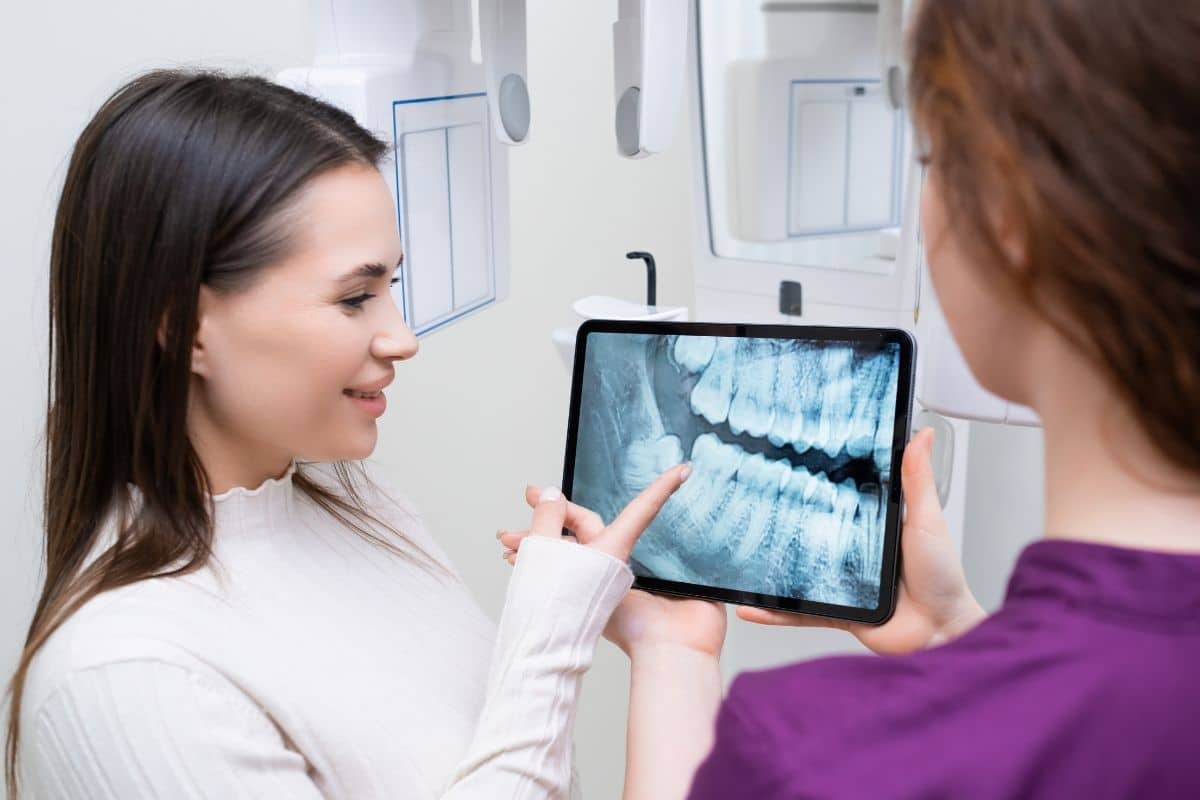
Your dental bite refers to the way your upper and lower teeth come together when you close your mouth. A well-aligned bite ensures proper function, comfort, and overall oral health. However, when your bite is misaligned—due to factors like teeth shifting, dental work, or natural changes—it can lead to various problems. Dental bite adjustments, also called occlusal adjustments, can help correct these issues and prevent further complications.
In this blog, we’ll explore five key signs that indicate you may need a dental bite adjustment.
1. Jaw Pain or Discomfort
One of the most common signs that your bite may need adjusting is jaw pain or discomfort, particularly in the temporomandibular joint (TMJ). The TMJ connects your jaw to your skull and is responsible for movements like chewing and speaking. When your bite is misaligned, it can place excessive pressure on this joint, leading to:
- Jaw Pain or Tenderness: You may experience discomfort when opening or closing your mouth, chewing, or even speaking.
- Clicking or Popping: A misaligned bite can cause your TMJ to click or pop when you move your jaw.
- Lockjaw: In more severe cases, the jaw may feel as though it gets “stuck” in an open or closed position.
If you’re experiencing any of these symptoms, it’s important to consult your dentist. A bite adjustment can help alleviate the pressure on the TMJ and prevent further complications.
2. Frequent Headaches or Migraines
Another sign that your bite may need adjustment is frequent headaches or migraines, particularly after eating or chewing. A misaligned bite can strain the muscles in your jaw, neck, and head, causing tension headaches or even migraines.
- Morning Headaches: Some people experience headaches when they wake up due to teeth grinding (bruxism) or clenching at night, which is often related to an uneven bite.
- Muscle Strain: The tension in the muscles around your jaw can radiate to your temples, neck, and shoulders, leading to persistent headaches.
If you find that headaches or migraines are disrupting your daily life, it could be due to an imbalance in your bite, and a dental bite adjustment may provide relief.
3. Uneven or Excessive Tooth Wear
Your teeth are designed to come together in a way that evenly distributes pressure when you bite or chew. However, when your bite is off, some teeth may experience more pressure than others, leading to uneven or excessive wear.
- Worn Enamel: Over time, excessive force on certain teeth can wear down the enamel, making the teeth more vulnerable to sensitivity, decay, and even fractures.
- Chipped or Cracked Teeth: A misaligned bite can cause teeth to crack or chip due to uneven pressure.
- Flat Teeth: In some cases, you may notice that your teeth appear flatter or shorter than usual, a sign that your bite is causing them to grind against each other.
If you notice changes in the appearance or function of your teeth, it’s essential to see your dentist for an evaluation. A bite adjustment can help balance the pressure and protect your teeth from further damage.
4. Difficulty Chewing or Biting
If you have trouble chewing or biting food comfortably, it could be a sign that your bite is misaligned. You might notice:
- Pain When Chewing: An uneven bite can cause pain or discomfort when you chew, especially when eating hard or chewy foods.
- Difficulty Biting: You may feel like your teeth don’t “fit” together properly when you try to bite into food, leading to an awkward or uncomfortable sensation.
- Shifting Teeth: Sometimes, teeth can shift due to misalignment, making it difficult for them to come together correctly.
Chewing and biting should feel natural and comfortable, so if you’re struggling in this area, a bite adjustment may be needed to restore proper function.
5. Teeth Grinding or Clenching (Bruxism)
Teeth grinding or clenching, also known as bruxism, is a common result of an imbalanced bite. This habit often occurs during sleep and can lead to serious dental issues if left untreated, such as:
- Jaw Soreness: Grinding and clenching put immense pressure on your teeth and jaw, often resulting in soreness or stiffness when you wake up.
- Tooth Sensitivity: Bruxism can wear down the enamel, leading to increased tooth sensitivity to hot, cold, or sweet foods and drinks.
- Dental Damage: Over time, bruxism can cause chips, cracks, or fractures in the teeth, especially when combined with a misaligned bite.
If you’ve noticed signs of bruxism, such as jaw soreness, tooth sensitivity, or flattened teeth, it’s important to consult your dentist. A bite adjustment can help reduce the strain on your teeth and jaw, potentially minimizing bruxism.
Why You Shouldn’t Ignore Bite Problems
Ignoring signs of a misaligned bite can lead to long-term issues, such as:
- TMJ Disorders: Misalignment can exacerbate jaw joint problems, leading to chronic pain and difficulty with jaw movement.
- Tooth Loss or Damage: Excessive wear or pressure can cause teeth to crack, chip, or even fall out.
- Oral Health Problems: An uneven bite can make it harder to maintain proper oral hygiene, increasing the risk of cavities and gum disease.
A dental bite adjustment is a simple procedure that can have a significant impact on your comfort and oral health. By addressing bite issues early, you can prevent more serious complications and protect your teeth and jaw for years to come.
If you’re experiencing jaw pain, headaches, difficulty chewing, or signs of bruxism, it may be time to consider a dental bite adjustment. These symptoms often indicate that your teeth are not aligning properly, which can lead to discomfort and long-term dental problems. A visit to your dentist for an evaluation can help determine if a bite adjustment is the solution you need to restore comfort, function, and overall oral health.
