
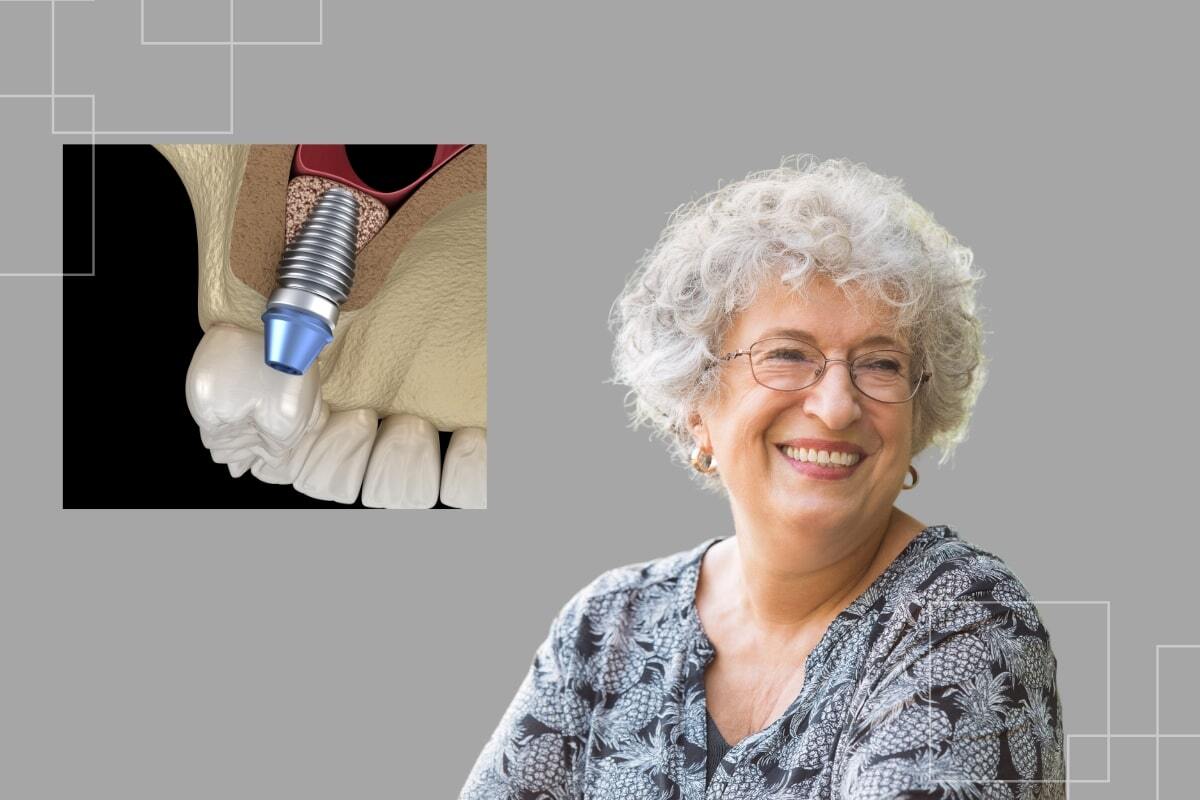
If you’re missing upper back teeth and have been told you don’t have enough bone for dental implants, you’re not alone—and you’re not out of options. Many patients experience bone loss in the upper jaw after tooth extraction, periodontal disease, or infection. Fortunately, sinus grafting is a proven, advanced procedure that can rebuild lost bone and make dental implants possible again.
Why Bone Loss Occurs in the Upper Jaw
The upper back jaw (posterior maxilla) sits just below the maxillary sinuses—air-filled spaces connected to the nasal passages. When upper molars or premolars are lost, the bone that once supported those teeth is no longer stimulated. Over time, this lack of stimulation causes the bone to shrink. Periodontal disease, infections, or trauma can accelerate this process even further.
As bone volume decreases, the sinus cavity may expand downward, leaving too little bone to securely place a dental implant. In these cases, placing an implant without rebuilding the bone could compromise stability and long-term success.
What Is Sinus Grafting?
Sinus grafting (also called a sinus lift) is a surgical procedure that adds bone to the floor of the sinus to restore adequate bone height in the upper jaw. During the procedure, the sinus membrane is gently lifted, and bone grafting material is placed in the newly created space. Over time, this graft integrates with your natural bone, creating a solid foundation for dental implants.
This technique is delicate, precise, and routinely performed by experienced dental professionals using advanced imaging and surgical planning.
When Is Sinus Grafting Needed?
Sinus grafting may be recommended if:
- You lost upper back teeth months or years ago
- You’ve been told you lack sufficient bone for implants
- Bone loss occurred due to gum disease or infection
- The sinus cavity has expanded into the tooth space
Many patients who were once considered “not candidates” for implants become excellent candidates after sinus grafting.
How Sinus Grafting Helps You Qualify for Dental Implants
By rebuilding lost bone, sinus grafting:
- Creates the height and density needed for implant stability
- Improves long-term implant success and durability
- Allows for natural-looking, functional tooth replacement
- Helps restore proper bite and chewing ability
In some cases, implants can be placed at the same time as the sinus graft. In others, a short healing period allows the graft to fully integrate before implant placement.
A Stronger Foundation for a Healthier Smile
Dental implants are one of the most reliable and natural-feeling tooth replacement options available—but they depend on a strong bone foundation. Sinus grafting makes it possible to restore that foundation safely and predictably, even after significant bone loss.
If you’ve been living with missing upper back teeth or were told implants weren’t an option, sinus grafting could be the solution that opens the door to a confident, fully restored smile.
Schedule a consultation today to learn whether sinus grafting and dental implants are right for you—and take the first step toward rebuilding your smile from the foundation up.
