
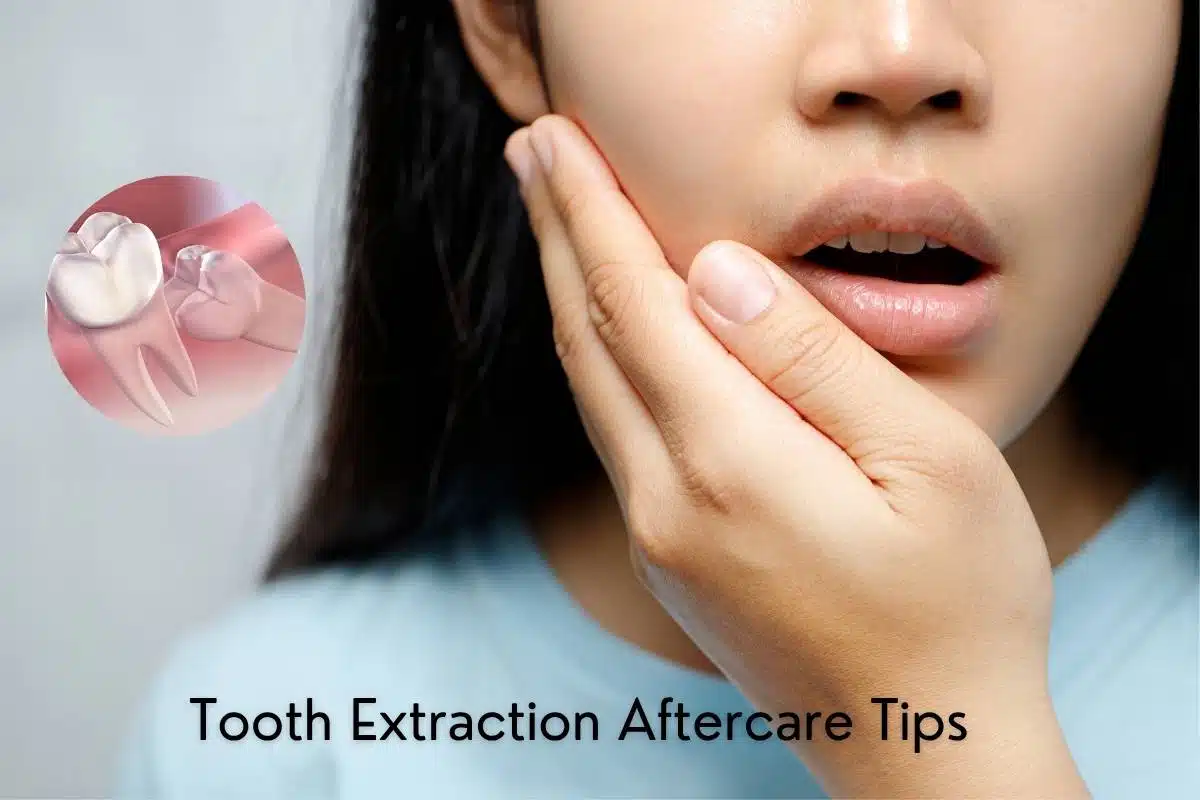
Having a tooth removed can feel stressful, but proper aftercare makes a huge difference in how quickly and comfortably you recover. Whether you had a simple extraction or a surgical one, following the right steps can help prevent complications, reduce discomfort, and speed up healing.
If you recently had a tooth extraction in Phoenix, understanding what to do in the first few hours and days is especially important. This guide covers 10 essential aftercare tips to help you heal faster and avoid common problems such as infection and dry socket.
Why Aftercare Matters After a Tooth Extraction
After a tooth is removed, your body immediately begins the healing process. A protective blood clot forms in the socket where the tooth used to be. This clot plays a vital role in protecting the bone and nerve endings while new tissue develops.
If the clot is disturbed or lost, it can lead to a painful condition called “dry socket.” That’s why the first 24–48 hours are the most critical part of recovery.
The good news? With proper care, most patients heal quickly and return to normal activities within a few days.
1. Bite Gently on Gauze to Control Bleeding
Right after the extraction, your dentist will place a piece of gauze over the area. Bite down gently but firmly for about 30–45 minutes. This helps the blood clot form properly and reduces bleeding.
If bleeding continues, replace the gauze with a clean one and keep gentle pressure on the area. Avoid chewing on the gauze or constantly checking the socket, as this can disrupt healing.
2. Avoid Rinsing, Spitting, or Using Straws on Day One
It may feel natural to rinse your mouth, but doing so too soon can dislodge the blood clot. Avoid the following for at least 24 hours:
- Rinsing vigorously
- Spitting forcefully
- Drinking through a straw
- Smoking
These actions create suction in your mouth, which can pull the clot out and increase your risk of complications.
3. Use a Cold Compress to Reduce Swelling
Swelling is completely normal after a tooth extraction, especially if it was surgical. Applying an ice pack to the outside of your cheek can help reduce inflammation and discomfort.
Use the cold compress in 15-minute intervals during the first 24 hours. This simple step can make a noticeable difference in how quickly the swelling goes down.
4. Take Pain Medication Exactly as Directed
Your dentist may recommend over-the-counter pain relievers or prescribe medication if necessary. A commonly used option is ibuprofen, which helps reduce both pain and inflammation.
Take medications exactly as instructed. Avoid skipping doses in the first 24 hours, as staying ahead of the pain is easier than trying to control it later.
5. Stick to Soft Foods for the First Few Days
What you eat after a tooth extraction plays a major role in your healing. Choose soft, easy-to-chew foods that won’t irritate the area, such as:
- Yogurt
- Mashed potatoes
- Smooth soups (not too hot)
- Scrambled eggs
- Applesauce
- Oatmeal
Avoid crunchy, spicy, or hard foods for at least 3–5 days. These can irritate the extraction site or become trapped in the socket.
6. Keep Your Head Elevated While Resting
Resting with your head slightly elevated helps reduce swelling and bleeding. Use an extra pillow while lying down, especially during the first night after your procedure.
Try to avoid heavy exercise or strenuous activity for at least 24–48 hours. Physical exertion can increase blood flow and cause the extraction site to bleed again.
7. Start Gentle Saltwater Rinses After 24 Hours
After the first day, keeping your mouth clean becomes very important. A gentle saltwater rinse helps prevent infection and supports healing.
Mix half a teaspoon of salt in a glass of warm water. Swish it gently around your mouth and let it fall out naturally—don’t spit forcefully. Repeat this 2–3 times a day for several days.
8. Avoid Smoking and Alcohol During Recovery
Smoking significantly slows down healing and increases the risk of dry socket. Alcohol can also interfere with the healing process and may react with prescribed medications.
If you want a faster and less painful recovery, avoid both smoking and alcohol for at least 72 hours after the extraction—longer if possible.
9. Keep the Area Clean but Avoid Brushing the Extraction Site
Maintaining oral hygiene is still important after an extraction, but you’ll need to be gentle.
You can brush your teeth as usual, but avoid the extraction site for the first 24 hours. After that, brush carefully around the area without touching the socket directly.
Keeping the rest of your mouth clean reduces bacteria and lowers the risk of infection.
10. Watch for Signs That You Should Call Your Dentist
Most tooth extractions heal without any problems. However, you should contact your dentist if you notice:
- Severe or increasing pain after 2–3 days
- Excessive bleeding that doesn’t stop
- Fever or chills
- Swelling that worsens instead of improving
- A bad taste that doesn’t go away
These symptoms could indicate infection or dry socket, and early treatment can prevent further complications.
How Long Does It Take to Heal After a Tooth Extraction?
Healing time varies depending on the type of extraction and your overall health. In general:
- The blood clot forms within the first 24 hours
- Initial healing occurs within 3–5 days
- Most discomfort improves after the first 48 hours
- Complete healing may take 1–2 weeks
If you had a surgical extraction, such as a wisdom tooth removal, healing may take a little longer. Following the aftercare tips in this guide can significantly speed up the process.
Why Professional Tooth Extractions Are Safer and More Comfortable
Modern dental techniques make tooth extraction safer and more comfortable than ever before. With advanced tools, gentle techniques, and effective anesthesia, most patients experience minimal discomfort during the procedure.
The most important part of a smooth recovery isn’t just the extraction—it’s what you do afterward. Following your dentist’s instructions carefully helps ensure faster healing and prevents complications that could delay recovery.
Tooth Extraction Aftercare: What Local Patients Should Know
If you live in Phoenix, you already know how the hot and dry climate can affect healing. Staying hydrated and avoiding outdoor heat during the first couple of days can help reduce swelling and discomfort.
It’s also helpful to schedule your extraction at a time when you can rest at home for at least a day. Taking proper care of yourself immediately after the procedure will make your recovery much easier.
Heal Faster and Feel Better Sooner
Tooth extraction doesn’t have to be a stressful experience. With the right aftercare, you can reduce pain, avoid complications, and return to your normal routine quickly.
If you’re experiencing severe tooth pain, infection, or damage that may require an extraction, professional care is the safest and most comfortable option. Schedule your appointment today and visit our dental office at 4025 W Bell Rd, Suite #4, Phoenix, AZ 85053, to receive gentle, expert treatment and personalized aftercare instructions.
FAQs
1. How long should I rest after a tooth extraction?
You should rest for at least 24 hours after the procedure. Avoid heavy physical activity for 2–3 days to prevent bleeding and help the area heal faster.
2. What foods can I eat after a tooth extraction?
Soft foods like yogurt, mashed potatoes, soup, eggs, oatmeal, and smoothies are ideal during the first few days. Avoid crunchy, hard, or spicy foods until healing improves.
3. How do I know if I have dry socket?
Severe pain that starts 2–3 days after the extraction, along with a bad taste or visible bone in the socket, may indicate dry socket. Contact your dentist immediately if you notice these symptoms.
4. When can I brush my teeth after a tooth extraction?
You can brush your teeth the same day, but avoid the extraction site for the first 24 hours. After that, brush gently around the area without touching the socket directly.