
Maintaining good oral hygiene is about more than just fresh breath and a bright smile—it plays a critical role in preventing plaque and calculus (tartar) buildup. When oral hygiene is neglected, plaque begins to accumulate on the teeth and, over time, hardens into calculus, setting the stage for cavities, gum disease, and even tooth loss.
We’ll explore how poor oral hygiene contributes to plaque and calculus formation, the difference between the two, the risks involved, and what you can do to protect your teeth and gums for the long haul.
What Is Plaque?
Dental plaque is a soft, sticky film composed of bacteria, food particles, and saliva. It constantly forms on your teeth, especially after eating or drinking. While plaque may seem harmless at first, it becomes dangerous if not removed regularly through brushing and flossing.
How Plaque Forms:
- After eating, sugars and starches interact with the bacteria in your mouth.
- These bacteria produce acids that break down tooth enamel.
- The sticky plaque traps these acids against your teeth and gums, increasing the risk of decay and inflammation.
Since plaque is nearly invisible, it’s easy to overlook—but it’s always forming and needs to be removed daily.
What Is Calculus (Tartar)?
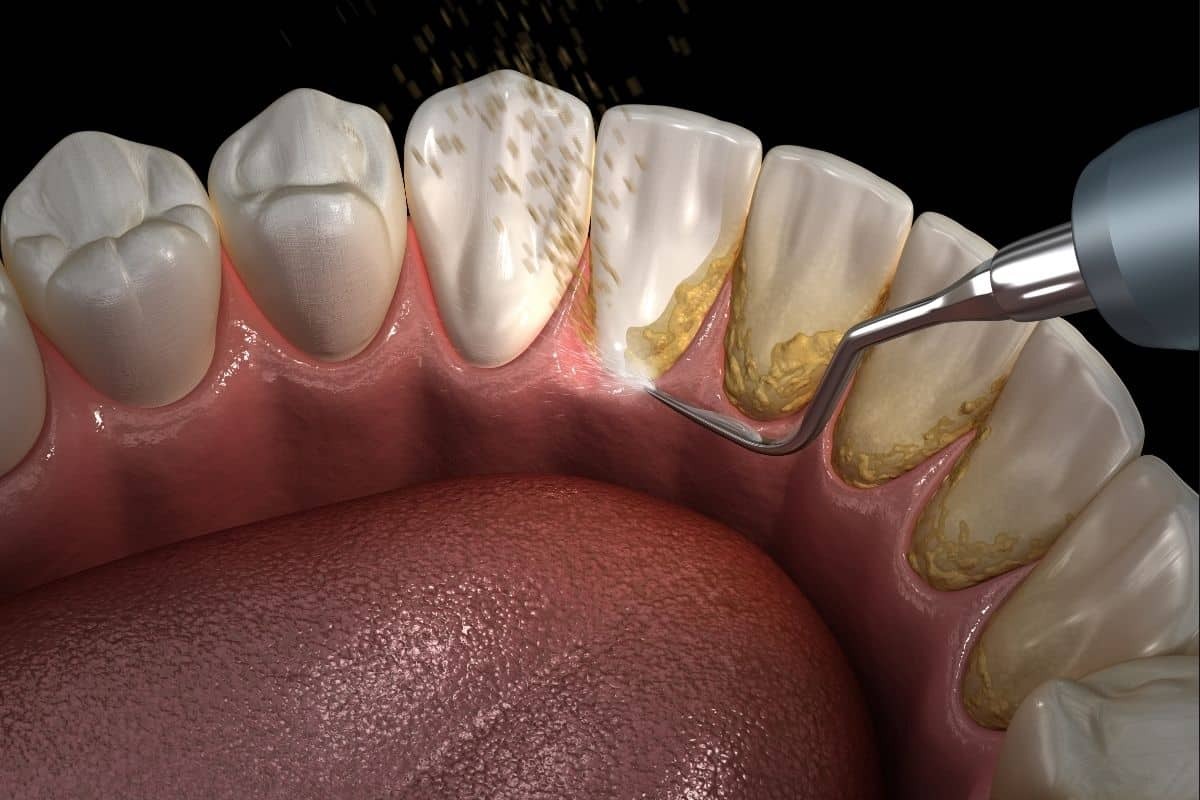
When plaque isn’t thoroughly removed, it hardens into calculus—also known as tartar—within 24 to 72 hours. Calculus is a mineralized deposit that bonds strongly to your tooth enamel and can only be removed by a dental professional.
Unlike plaque, which is soft and can be brushed away, calculus is rough, yellow or brown in color, and builds up both above and below the gumline. Once it forms, it provides an ideal surface for more plaque to accumulate, creating a cycle that accelerates oral health issues.
How Poor Oral Hygiene Leads to Plaque and Calculus Buildup
Neglecting basic oral hygiene practices is the fastest way to encourage plaque and calculus buildup. Without regular brushing, flossing, and professional cleanings, bacteria thrive in the mouth and begin the destructive process of plaque formation.
Poor habits that contribute include:
- Infrequent brushing and flossing
- Using an old or ineffective toothbrush
- Skipping dental cleanings
- A diet high in sugars and carbs
- Smoking or using tobacco products
- Dry mouth (reduced saliva increases plaque risk)
Saliva plays an important role in neutralizing acids and washing away bacteria. When poor hygiene habits are combined with low saliva flow or poor diet, the risk of calculus buildup increases dramatically.
Health Risks Associated with Plaque and Calculus
If left untreated, plaque and calculus can lead to a range of serious oral and systemic health issues.
1. Cavities
The acids produced by plaque bacteria eat away at tooth enamel, eventually creating holes or cavities. If untreated, this can lead to toothaches, infections, and even the need for root canals.
2. Gingivitis
Gingivitis is the earliest stage of gum disease, caused by plaque buildup around the gumline. Symptoms include red, swollen gums that may bleed during brushing or flossing.
3. Periodontitis
If gingivitis progresses, it becomes periodontitis—a serious gum infection that damages the soft tissue and bone supporting the teeth. Calculus buildup under the gums contributes heavily to this destructive process.
4. Tooth Loss
Advanced periodontal disease weakens the structures that hold your teeth in place. Without treatment, teeth may loosen and fall out or require extraction.
5. Bad Breath (Halitosis)
Persistent plaque and tartar harbor bacteria that produce foul-smelling compounds, leading to chronic bad breath that mouthwash alone can’t fix.
6. Increased Risk for Systemic Diseases
Studies show a link between gum disease and conditions such as heart disease, diabetes, and respiratory infections. This underscores the importance of keeping plaque and calculus in check, not only for oral health but for overall well-being.
Signs You May Have Plaque or Calculus Buildup
You might not always see or feel plaque, but certain signs can indicate a problem:
- Yellow or brown deposits on the teeth
- Persistent bad breath
- Bleeding or swollen gums
- Gum recession
- A fuzzy feeling on the teeth
- Tooth sensitivity
If you’re experiencing any of these symptoms, it’s time to visit your dentist for an evaluation and cleaning.
How to Prevent Plaque and Calculus Buildup
The good news is that with proper care, plaque and calculus can be controlled—if not completely avoided.
1. Brush Twice a Day
Use a soft-bristled toothbrush and fluoride toothpaste. Spend at least two minutes brushing, making sure to clean all surfaces of your teeth and along the gumline.
2. Floss Daily
Flossing removes plaque between teeth where your toothbrush can’t reach. Skipping this step allows plaque to build up in these tight areas.
3. Use Antibacterial Mouthwash
Rinsing with mouthwash helps reduce bacteria levels in the mouth, slowing down plaque formation.
4. Limit Sugary and Starchy Foods
Bacteria feed on sugars and carbs, producing acid that weakens enamel. Choose water, fiber-rich veggies, and calcium-rich foods instead.
5. Avoid Tobacco Products
Smoking accelerates plaque and calculus buildup while also reducing gum health and masking symptoms of gum disease.
6. Schedule Professional Cleanings
No matter how diligent you are at home, you’ll still need regular dental cleanings. A hygienist can remove hardened calculus and provide personalized tips to improve your routine.
What to Expect During a Dental Cleaning
During a professional cleaning, your dental hygienist will:
- Use specialized tools to gently remove plaque and calculus
- Polish your teeth to remove surface stains
- Offer oral hygiene advice tailored to your needs
- Identify any early signs of decay or gum disease
These cleanings not only improve the appearance of your smile but also serve as essential preventive care for your long-term oral health.
Don’t Let Plaque and Calculus Compromise Your Smile
Poor oral hygiene doesn’t just affect your teeth—it puts your entire oral and systemic health at risk. Plaque and calculus may start silently, but their long-term effects can be serious and costly. Fortunately, with a consistent oral hygiene routine and regular professional cleanings, you can prevent buildup and protect your smile for life.
If you’re overdue for a cleaning or have concerns about plaque or tartar, it’s time to take action. Protect your smile—book your appointment today at 4025 W Bell Rd, Suite #4, Phoenix, AZ 85053, and let our experts keep your teeth and gums healthy and strong.
FAQs
2. How does plaque turn into calculus (tartar)?
If plaque isn’t removed regularly, it can harden into calculus, also called tartar. Calculus is a mineralized deposit that attaches firmly to teeth, usually along the gumline, and cannot be removed by brushing alone. Professional dental cleanings are required to safely remove it.
3. Why is calculus buildup harmful to my oral health?
Calculus creates a rough surface where more plaque can accumulate, increasing the risk of cavities, gingivitis, and periodontal disease. It can also lead to gum inflammation, bleeding, and bad breath if left untreated.
4. How can I prevent plaque and calculus buildup?
Maintaining good oral hygiene is key: brush twice daily with fluoride toothpaste, floss daily to remove food particles between teeth, and schedule regular dental cleanings. Limiting sugary foods and drinks also helps reduce plaque formation.
