
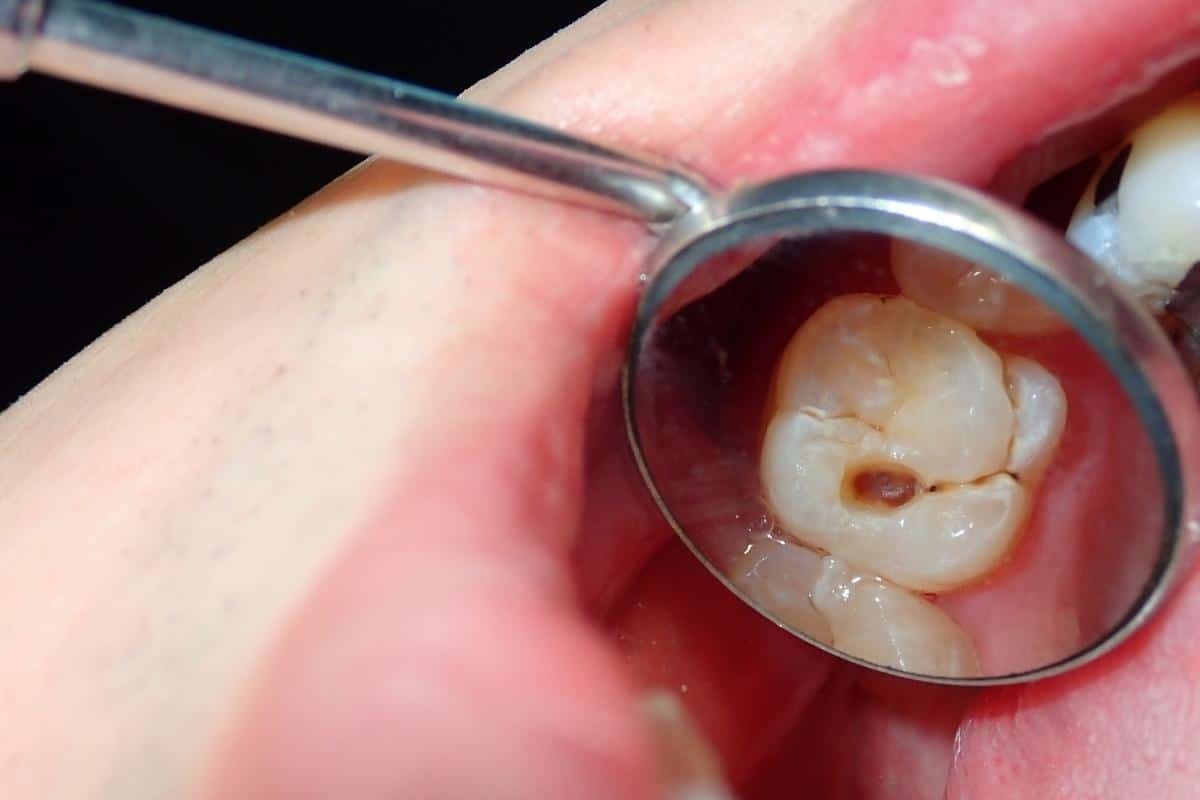
Tooth decay is one of the most common dental issues affecting people of all ages. Many patients ask the same question when they hear they have the early stages of decay: “Can cavities heal without a filling?”
The answer depends largely on how early the cavity is detected. According to Dr. Jason Augustine, some early forms of tooth decay may be reversible with proper dental care and preventive strategies, but once the damage progresses beyond a certain point, a dental filling becomes necessary to restore the tooth.
Understanding when a cavity can be reversed—and when professional treatment is needed—can help you protect your smile and avoid more serious dental problems.
What Exactly Is a Cavity?
A cavity forms when harmful bacteria in the mouth produce acids that erode tooth enamel. This process typically occurs when sugars and carbohydrates from food combine with bacteria in plaque.
Over time, the acid attack gradually removes minerals from the enamel. This stage is known as demineralization.
If the enamel continues to break down, it eventually creates a permanent hole in the tooth, which is what dentists refer to as a cavity.
However, before that hole forms, there is often a window of opportunity to reverse early damage.
When Can a Cavity Be Reversed?
Early-stage tooth decay—sometimes called incipient decay—can potentially be reversed if the enamel is still intact.
At this stage, the tooth may show white or chalky spots, indicating mineral loss but not structural damage. With the right care, enamel can undergo remineralization, which restores lost minerals.
According to Dr. Jason Augustine, reversal is possible when decay has not yet penetrated deeper layers of the tooth, such as dentin.
Signs of Early Tooth Decay
You may not always notice symptoms in the earliest stages, but some indicators include:
- White or dull spots on teeth
- Slight tooth sensitivity
- Rough texture on enamel
- Mild discomfort with sweets
A dental exam and digital imaging allow your dentist to determine whether decay can still be reversed.
How Dentists Help Reverse Early Tooth Decay
Professional dental care plays a crucial role in stopping early cavities before they worsen.
1. Fluoride Treatments
Fluoride helps restore minerals to weakened enamel and makes teeth more resistant to acid attacks.
Dentists often recommend:
- Professional fluoride varnishes
- Prescription-strength fluoride toothpaste
- Fluoride mouth rinses
These treatments can significantly strengthen enamel in the early stages of decay.
2. Improved Oral Hygiene
Brushing and flossing correctly can slow or reverse enamel damage.
Dentists typically recommend:
- Brushing twice daily with fluoride toothpaste
- Flossing once daily
- Using antibacterial mouthwash
These habits remove plaque bacteria responsible for acid production.
3. Dietary Changes
Reducing sugar intake plays a major role in cavity prevention and reversal.
Foods that support enamel health include:
- Dairy products rich in calcium
- Leafy greens
- Nuts and seeds
- Crunchy vegetables
Limiting sugary drinks, candy, and frequent snacking can help stop the decay process.
4. Dental Sealants
In some cases, dentists may apply sealants to molars. These thin protective coatings shield teeth from bacteria and food particles, reducing the risk of cavities developing further.
When a Filling Is Necessary
Once decay progresses beyond the enamel and reaches the dentin layer, the tooth cannot heal itself.
At this stage, a dentist must remove the damaged portion and restore the tooth with a filling.
Signs a cavity likely requires treatment include:
- Tooth pain or sensitivity
- Visible holes or dark spots
- Pain when biting
- Persistent bad breath
Ignoring cavities at this stage can lead to more serious problems, such as infections or the need for root canal therapy.
Why You Shouldn’t Ignore Early Cavities
Many patients assume early decay will disappear on its own. Unfortunately, tooth decay rarely stops without intervention.
Untreated cavities can lead to:
- Tooth infections
- Severe pain
- Tooth loss
- More expensive treatments
By visiting a dentist regularly, early decay can be detected and treated before it progresses.
How Regular Dental Visits Prevent Cavities
Routine dental checkups are one of the most effective ways to prevent cavities from worsening.
During an exam, dentists can:
- Identify early enamel damage
- Provide preventive fluoride treatments
- Remove plaque and tartar buildup
- Monitor changes in tooth structure
Patients in Phoenix who schedule regular visits with Dr. Jason Augustine benefit from early detection and personalized preventive care.
Professional cleanings also remove hardened plaque that brushing and flossing cannot eliminate.
Tips to Prevent Cavities Naturally
While some cavities require treatment, many cases of early decay can be prevented through consistent dental care.
Daily Prevention Tips
- Brush with fluoride toothpaste twice daily
- Floss every day
- Drink plenty of water
- Limit sugary and acidic foods
- Use fluoride mouthwash
- Visit the dentist every six months
These habits help maintain strong enamel and reduce bacterial growth.
The Importance of Early Diagnosis
One of the most effective ways to reverse early cavities is catching them before they become serious.
Modern dental technology allows dentists to detect tooth decay at extremely early stages. Early diagnosis means patients can often avoid invasive procedures.
Patients who maintain regular checkups and follow preventive care recommendations are far less likely to develop advanced cavities.
What Dr. Jason Augustine Says About Cavity Reversal
According to Dr. Jason Augustine, patients should think of cavities as a progressive condition rather than an immediate problem.
Early enamel damage can often be repaired through remineralization, but once the structure of the tooth is compromised, professional restoration becomes necessary.
The key to preserving your natural teeth is early treatment and preventive care.
Protect Your Smile with Us
If you’re concerned about tooth decay or wondering whether a cavity can be reversed without a filling, the best step is to schedule a professional dental evaluation.
A dentist can determine the stage of decay and recommend the most effective treatment to protect your oral health.
Schedule your appointment today with Dr. Jason Augustine and visit our dental office at 4025 W Bell Rd, Suite #4, Phoenix, AZ 85053, United States. Our team is dedicated to helping patients maintain strong, healthy smiles through preventive care and advanced dental treatments.
FAQs
1. Can a cavity heal naturally?
Early enamel damage can sometimes be reversed through remineralization with fluoride, improved oral hygiene, and dietary changes. However, advanced cavities require professional treatment.
2. How do I know if my cavity is reversible?
Only a dental exam can determine whether decay is still in the early stage. Dentists evaluate enamel damage and use imaging to assess cavity depth.
3. How long does it take to reverse early tooth decay?
With proper care, remineralization may occur over several weeks to months, depending on the severity of enamel damage.
4. Are fillings always necessary for cavities?
No. If the cavity is caught early, before a hole forms in the enamel, dentists may recommend preventive treatments instead of fillings.
5. What foods help strengthen tooth enamel?
Foods rich in calcium and minerals—such as dairy products, leafy greens, almonds, and crunchy vegetables—can help support enamel health.
