
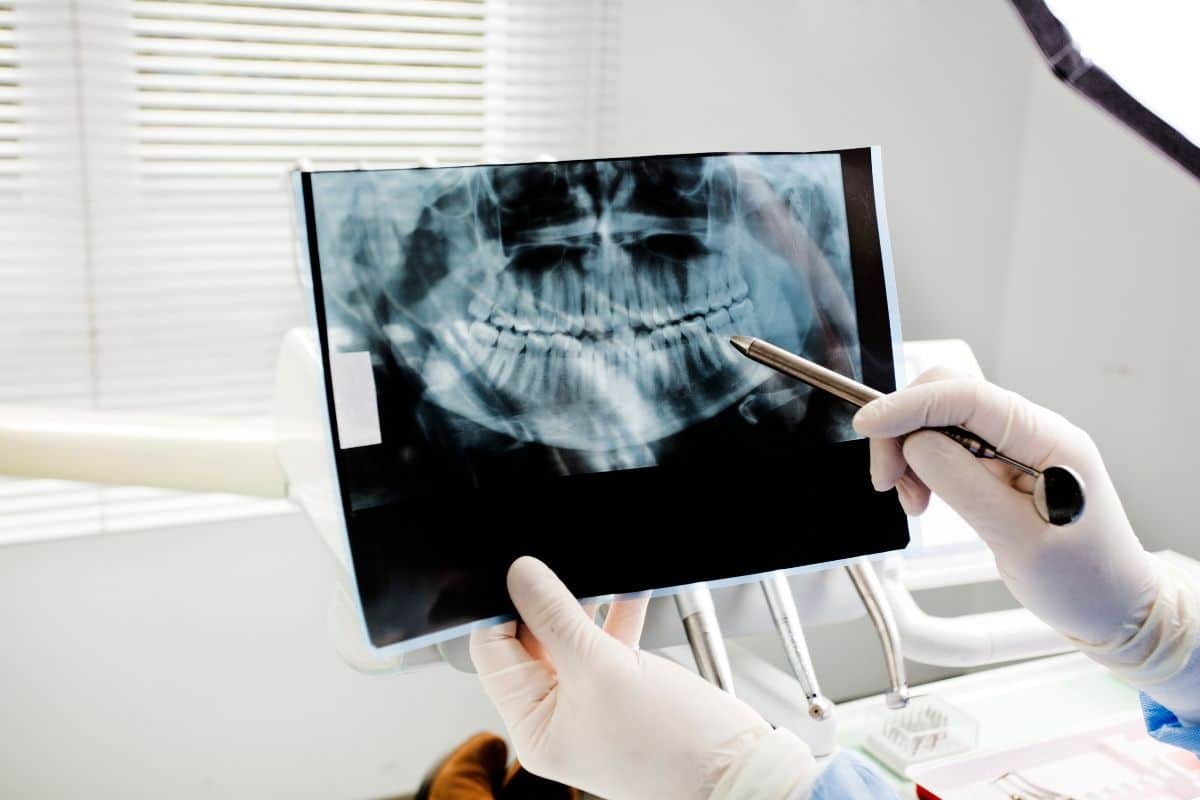
Dental X-rays and CT scans are essential tools in modern dentistry, enabling dentists to accurately diagnose and plan treatments. While these technologies offer significant benefits, many patients are concerned about the potential risks of radiation exposure. In this blog, we will explore the safety of dental X-rays and CT scans, address common concerns, and explain how modern techniques minimize risks while providing valuable diagnostic insights.
What Are Dental X-Rays and CT Scans?
Before delving into safety, let’s first understand what these diagnostic tools are:
- Dental X-Rays
Dental X-rays are a common imaging technique used to capture detailed pictures of the inside of your teeth, gums, and jawbone. There are different types of X-rays, including bitewing, periapical, and panoramic, each serving a specific diagnostic purpose. - Dental CT Scans (Cone Beam Computed Tomography)
A CT scan takes 3D images of your mouth, jaw, and teeth, allowing for a more detailed view compared to traditional X-rays. It’s especially useful for complex treatments such as dental implants, root canal therapy, and assessing bone structure.
How Much Radiation Is Involved in Dental X-Rays and CT Scans?
One of the most common concerns about X-rays and CT scans is radiation exposure. Here’s what you need to know about the levels involved:
- Dental X-Rays
Dental X-rays use a very low amount of radiation. For example, a bitewing X-ray (used to check for cavities between teeth) exposes you to about 0.005 millisieverts (mSv) of radiation. To put that in perspective, the average person is exposed to about 3 mSv of radiation annually from natural sources, such as cosmic radiation and radon in the environment. Modern digital X-rays further reduce radiation exposure compared to older film-based systems. These digital images are also quicker to process, reducing the time you need to be exposed to radiation. - Dental CT Scans
Dental CT scans, particularly cone beam CT (CBCT), do involve more radiation than traditional X-rays because they capture detailed 3D images. However, the radiation levels are still relatively low compared to other medical CT scans. A typical dental CT scan may expose you to 0.1 to 0.3 mSv, depending on the type of scan and the area being imaged. While this is higher than a single dental X-ray, it’s still considered a low level of radiation, and the benefits often outweigh the risks, especially for complex dental conditions.
Are Dental X-Rays and CT Scans Harmful?
When used properly, dental X-rays and CT scans are considered very safe. The risk of harm from the small amount of radiation they involve is minimal. Here’s why:
- Low Radiation Exposure
The amount of radiation from a dental X-ray or CT scan is far lower than many other everyday exposures. For example, a round-trip flight across the country exposes you to more radiation than a dental X-ray. Dental imaging provides a focused view of your teeth and surrounding areas, which means less radiation is scattered through your body. - Precision in Imaging
Advances in dental technology, like digital X-rays and CBCT, allow for precise imaging with minimal radiation. Dentists also use protective measures such as lead aprons and thyroid collars to further reduce exposure to surrounding tissues. - Justification and Necessity
Dentists only order X-rays and CT scans when necessary for accurate diagnosis and treatment planning. Routine dental X-rays (such as bitewings) are usually taken at specific intervals, depending on your oral health needs. If you are healthy and have no symptoms, your dentist may not need to take X-rays at every visit.
Safety Measures to Minimize Risks
To ensure that dental imaging is as safe as possible, several measures are taken:
- Lead Aprons and Thyroid Collars
When you have a dental X-ray or CT scan, your dentist will often place a lead apron over your body to shield you from unnecessary radiation. A thyroid collar is also used to protect the sensitive thyroid gland. - Digital Imaging
Digital X-rays and CBCT scans expose you to significantly lower radiation than traditional film-based methods. This advancement in technology provides high-quality images with reduced radiation exposure. - Proper Frequency of Imaging
Dentists follow guidelines that recommend imaging only when clinically necessary. The American Dental Association (ADA) and the Food and Drug Administration (FDA) provide strict protocols for the safe use of dental X-rays, ensuring that patients are not overexposed.
Who Should Avoid Dental X-Rays and CT Scans?
While dental X-rays and CT scans are safe for most people, there are some exceptions:
- Pregnant Women
Pregnant women, especially in the first trimester, should avoid dental X-rays unless necessary. If X-rays are required, your dentist will take extra precautions to minimize radiation exposure to the fetus, such as using a lead apron and taking fewer images. CT scans, which involve higher radiation, are generally avoided during pregnancy unless there is a medical necessity. - Children
Dental X-rays are safe for children but should be done only when needed. Because children’s tissues are more sensitive to radiation, X-rays should be limited and done with extra care.
Dental X-rays and CT scans are invaluable diagnostic tools that help dentists detect issues like cavities, bone loss, infections, and abnormalities early on. While radiation exposure is always a concern, the levels involved in dental imaging are minimal, and the safety protocols in place ensure the risks are low. The benefits of these scans far outweigh the potential harm, especially when they are necessary for accurate diagnosis and treatment planning.
If you’re concerned about the safety of dental X-rays or CT scans, talk to your dentist. They can explain why they’re necessary for your treatment and take all necessary precautions to ensure your safety. Ultimately, these diagnostic tools play a crucial role in maintaining your oral health and helping you achieve the best possible outcome.