
Bleeding gums are often dismissed as a minor inconvenience. Many people notice a little blood when brushing or flossing and assume it is nothing serious. Others experience persistent bad breath, gum tenderness, or increased tooth sensitivity and simply adapt to it. The problem is that these symptoms can be early warning signs of gum disease, a condition that rarely improves without professional intervention.
One of the biggest reasons people postpone treatment is fear. They worry that the recommended procedure will be painful, uncomfortable, or difficult to recover from. Unfortunately, delaying care often allows the infection to progress, increasing the risk of gum recession, bone loss, and future dental complications.
For patients considering scaling and root planing in Phoenix, understanding what the procedure involves can remove much of the uncertainty. The reality is that most patients find the treatment far more comfortable than they expected, especially when compared to the discomfort caused by untreated gum disease.
Why Does Scaling and Root Planing Sound More Intimidating Than It Really Is?
The name itself can make patients nervous.
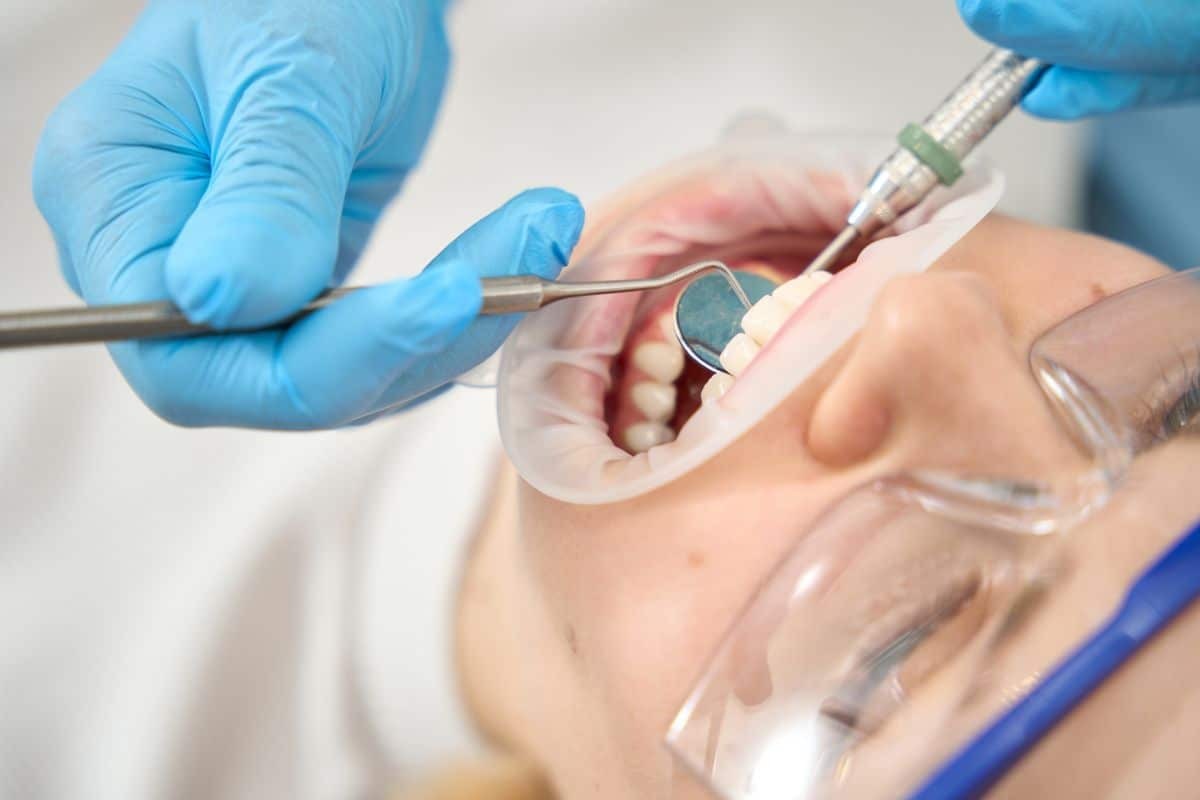
When people hear the words “scaling” and “root planing,” they often imagine an invasive procedure. In reality, it is a specialized deep cleaning designed to remove harmful bacteria and buildup that have accumulated beneath the gums.
Healthy gums fit snugly around the teeth. As plaque and bacteria accumulate, the gums can become inflamed and begin to pull away from the teeth. This creates small pockets where even more bacteria can hide.
Scaling and root planing is designed to clean these hard-to-reach areas and create an environment where the gums can begin healing.
Rather than viewing it as a painful procedure, it is more accurate to think of it as an important step toward restoring gum health and preventing more serious problems.
What Exactly Happens During the Procedure?
Many patients feel more comfortable once they understand what takes place during treatment.
The procedure generally involves two important steps:
Scaling
Scaling removes plaque, tartar, and bacterial deposits from above and below the gumline. These hardened deposits cannot be removed through brushing alone.
Root Planing
Root planing smooths the surfaces of the tooth roots. This makes it more difficult for bacteria to attach and helps the gums reattach more effectively to the teeth.
Depending on the severity of the condition, treatment may focus on one section of the mouth at a time or address multiple areas during the same appointment.
The primary goal is simple: eliminate the bacterial buildup that is causing inflammation and give the gums an opportunity to heal.
Is the Procedure Actually Painful?
This is the question most patients want answered first. For most patients, the procedure is not painful. Dentists typically use a local anesthetic to numb the treatment area, helping ensure a comfortable experience.
During treatment, patients commonly describe sensations such as:
- Mild pressure
- Gentle scraping vibrations
- Movement around the teeth
- Temporary numbness
What most patients do not experience is severe pain.
In fact, many individuals are surprised by how manageable the appointment feels. Once treatment is complete, they often realize they spent weeks or months worrying about discomfort that never occurred.
The level of sensitivity varies from person to person, but modern techniques and anesthetics have made the procedure much more comfortable than many people expect.
Could Untreated Gum Disease Cause More Pain Than the Procedure?
In many cases, yes. Gum disease is often called a silent condition because it can progress gradually without causing significant discomfort at first. This leads many patients to believe that the problem is not serious.
However, as the infection advances, symptoms frequently become more noticeable.
These may include:
- Persistent bleeding
- Swollen gums
- Gum recession
- Chronic bad breath
- Loose teeth
- Pain while chewing
What begins as mild irritation can eventually threaten the structures supporting the teeth.
Many patients who finally undergo treatment report that the discomfort from active gum disease was more frustrating than the procedure itself.
Seeking care early often leads to a simpler and more predictable treatment experience.
What Should You Expect During Recovery?
Recovery is usually straightforward. Most patients return to their normal daily activities shortly after treatment. However, some temporary sensitivity is common as the gums begin healing. During the first few days, patients may notice:
Mild Gum Tenderness
The treated areas may feel slightly sore as inflammation decreases.
Increased Sensitivity
Teeth may react more strongly to hot or cold foods and beverages for a short period.
Improved Gum Health
Many patients begin to notice reduced bleeding and healthier-looking gums within the first few weeks.
To support healing, dentists often recommend:
- Gentle brushing
- Careful flossing
- Warm saltwater rinses
- Staying hydrated
- Following personalized aftercare instructions
Healing continues gradually as the tissues recover and become healthier.
Why Is Early Treatment Especially Important for People Living in Phoenix?
The environment and lifestyle in Phoenix can influence oral health in ways many people do not realize.
The area’s warm climate encourages outdoor activities throughout much of the year. Whether residents are hiking near Camelback Mountain, visiting the Desert Botanical Garden, or attending local community events, staying hydrated is important.
Dry conditions can sometimes contribute to dry mouth, particularly when combined with certain medications or health conditions. Saliva plays an important role in protecting the mouth by helping wash away bacteria.
When saliva levels decrease, harmful bacteria may have greater opportunities to accumulate.
Combined with inconsistent oral hygiene habits, this can increase the risk of gum problems developing over time.
For this reason, regular periodontal evaluations remain an important part of preventive oral health care for many families in Phoenix.
What Makes Scaling and Root Planing So Important for Long-Term Oral Health?
Many people assume the purpose of treatment is simply to clean the teeth. The benefits go much deeper than that.
Healthy gums provide the foundation that supports every tooth in your mouth. When gum disease weakens that foundation, long-term oral health becomes increasingly difficult to maintain.
This is why scaling and root planing in Phoenix is often recommended before the disease reaches a more advanced stage.
The procedure helps:
- Reduce bacterial infection
- Control inflammation
- Protect supporting bone
- Improve gum attachment
- Preserve natural teeth
Addressing these issues early can help patients avoid more complex treatments in the future.
What Can You Do to Make Your Appointment More Comfortable?
Preparation often reduces anxiety. Patients who know what to expect usually feel much more relaxed during treatment. Helpful recommendations include:
Eat Before Your Visit
A light meal before your appointment can make the experience more comfortable.
Share Any Concerns
Your dentist can explain each step and answer questions before treatment begins.
Follow Instructions Carefully
Post-treatment recommendations are designed to support healing and minimize sensitivity.
Focus on the Benefits
Remember that the procedure addresses an active infection and helps protect your long-term oral health.
Understanding the purpose behind treatment often helps patients feel more confident about moving forward.
Healthy Gums Are an Investment in Your Future Smile
At Dr. Jason J. Augustine’s office, we understand that many patients feel nervous when they hear they need scaling and root planing. Our team takes the time to explain every step, answer every question, and ensure patients feel informed and comfortable throughout the process.
We believe that treating gum disease early is one of the most important investments patients can make in their oral health. By addressing infection before it causes significant damage, we can help preserve healthy gums, protect supporting bone, and support long-term tooth stability.
If you have noticed bleeding gums, persistent bad breath, gum tenderness, or other signs of periodontal disease, do not wait for symptoms to worsen. For patients considering scaling and root planing in Phoenix, we invite you to visit our dental office in Phoenix for a personalized evaluation. Our team is committed to helping you achieve healthier gums, greater comfort, and a stronger foundation for your smile.
Frequently Asked Questions
1. How long does scaling and root planing usually take?
Treatment time depends on the severity of gum disease and the number of areas being treated. Many patients complete treatment within one or two appointments.
2. Will my gums bleed after scaling and root planing?
Some minor bleeding may occur during the initial healing period. This typically improves as inflammation decreases and the gums become healthier.
3. Can scaling and root planing reverse gum disease?
The procedure can effectively manage and control gum disease in many cases. Early treatment often produces the most favorable outcomes.
4. How soon will I notice improvements?
Many patients notice reduced bleeding, fresher breath, and healthier gums within a few weeks. Healing continues over time with proper oral hygiene.
5. Can scaling and root planing help prevent tooth loss?
Yes. By reducing infection and protecting the structures that support the teeth, treatment can help lower the risk of future tooth loss.
