
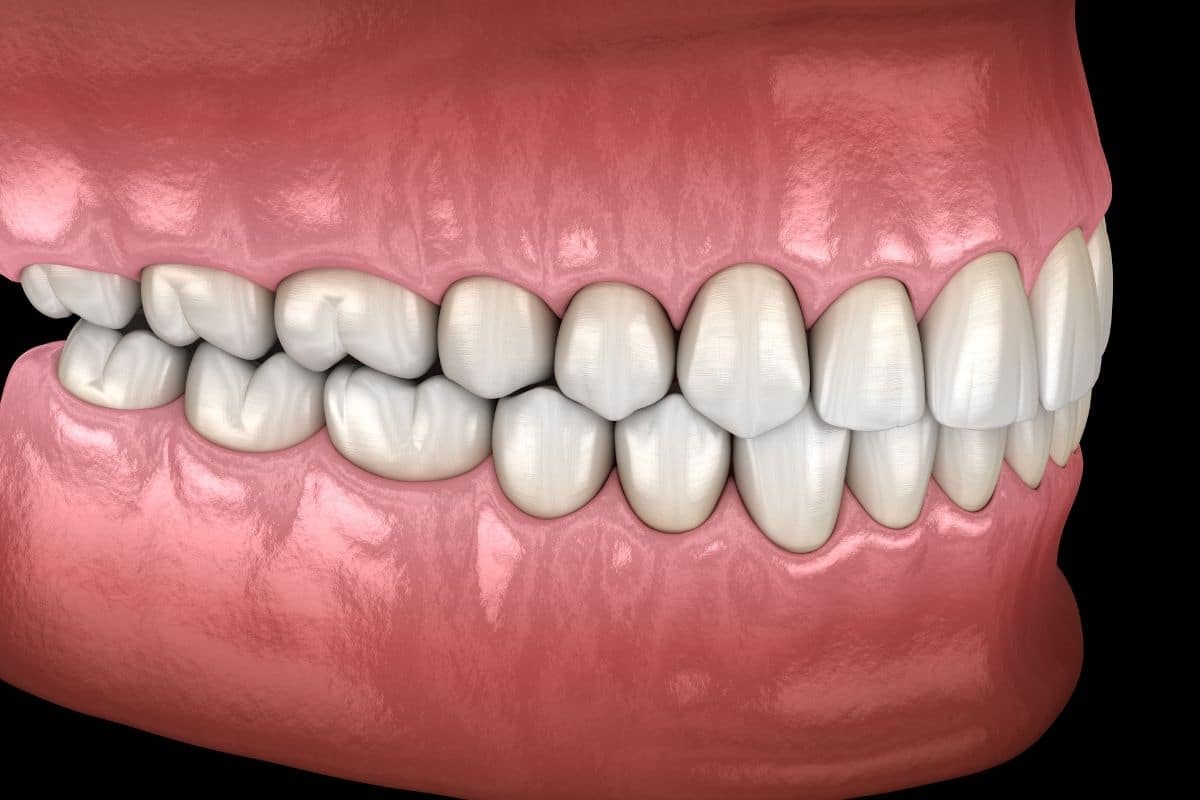
Maintaining a healthy, functional smile goes beyond just having clean teeth and healthy gums. The way your upper and lower teeth come together, known as your bite or occlusion, plays a crucial role in your overall oral health. When your bite is misaligned, it can lead to a range of dental problems and discomfort. Occlusal therapy is a specialized dental treatment designed to address and correct issues related to bite alignment. But what exactly is occlusal therapy, and why is it so important? Let’s explore this essential aspect of dental care.
Understanding Occlusal Therapy
Occlusal therapy encompasses various treatments and techniques aimed at correcting bite problems, improving the alignment of the teeth and jaws, and ensuring a balanced, functional occlusion. This therapy can address issues such as:
- Bruxism: Grinding or clenching of the teeth, often during sleep.
- Temporomandibular Joint (TMJ) Disorders: Conditions affecting the joints and muscles responsible for jaw movement.
- Malocclusion: Misalignment of the teeth and bite.
- Occlusal Trauma: Damage to the teeth and supporting structures due to an improper bite.
Types of Occlusal Therapy
- Occlusal Adjustment: This involves reshaping the biting surfaces of the teeth to achieve a more balanced bite. Dentists use fine dental instruments to carefully remove small amounts of tooth enamel, helping to eliminate high spots and distribute bite forces more evenly.
- Occlusal Splints and Night Guards: Custom-made devices are designed to protect the teeth from grinding and clenching. These appliances help alleviate pressure on the TMJ and reduce the risk of tooth wear and damage.
- Orthodontic Treatment: Braces or clear aligners can be used to correct malocclusion and align the teeth properly. Orthodontic treatment not only improves the appearance of the smile but also ensures a functional bite.
- Equilibration: This process involves adjusting the bite by reshaping the biting surfaces of the teeth, similar to occlusal adjustment. Equilibration aims to create an even distribution of biting forces and improve jaw function.
- Restorative Procedures: Dental restorations such as crowns, bridges, or fillings may be used to rebuild or reshape teeth that have been damaged or worn down, contributing to a more balanced occlusion.
Importance of Occlusal Therapy
- Prevents Tooth Damage: An improper bite can lead to excessive wear and tear on the teeth, causing chipping, cracking, and even tooth loss. Occlusal therapy helps prevent such damage by ensuring that biting forces are evenly distributed across all teeth.
- Reduces Pain and Discomfort: Bite problems can cause pain and discomfort in the jaw, face, neck, and even the shoulders. By correcting the bite, occlusal therapy can alleviate these symptoms and improve overall comfort.
- Improves Jaw Function: A misaligned bite can hinder proper jaw movement, making it difficult to chew and speak comfortably. Occlusal therapy enhances jaw function, making everyday activities easier and more comfortable.
- Protects Against TMJ Disorders: TMJ disorders can be caused or exacerbated by an improper bite. Occlusal therapy helps reduce the strain on the TMJ, preventing and managing TMJ-related issues.
- Enhances Oral Health: A balanced bite contributes to better oral hygiene. When teeth are properly aligned, they are easier to clean, reducing the risk of cavities and gum disease.
- Promotes Long-Term Dental Health: Addressing bite issues early on can prevent more severe dental problems in the future. Occlusal therapy is an investment in your long-term oral health and well-being.
When to Consider Occlusal Therapy
You may benefit from occlusal therapy if you experience any of the following symptoms:
- Frequent headaches or migraines
- Jaw pain or stiffness
- Difficulty chewing or speaking
- Teeth grinding or clenching, especially at night
- Worn, chipped, or cracked teeth
- Clicking or popping sounds in the jaw
- Uneven bite or feeling that teeth do not fit together properly
Conclusion
Occlusal therapy is a vital component of comprehensive dental care, addressing issues that can significantly impact your oral health and quality of life. By correcting bite problems and ensuring a balanced occlusion, occlusal therapy helps prevent tooth damage, reduce pain and discomfort, improve jaw function, and protect against TMJ disorders. If you suspect you have bite issues or experience any related symptoms, consult with your dentist. They can evaluate your occlusion and recommend the appropriate occlusal therapy to restore balance and harmony to your smile. Investing in occlusal therapy today can lead to a healthier, more comfortable, and functional smile for years to come.
