
Dental implants have become a popular and effective solution for replacing missing teeth, offering a durable and natural-looking alternative to traditional dentures and bridges. However, successful dental implant placement often requires sufficient healthy bone in the jaw to support the implant. In cases where the jawbone is insufficient or has deteriorated, ridge augmentation may be necessary before dental implant surgery. But what exactly is ridge augmentation, and why might you need it? Let’s explore the reasons and benefits of this preparatory procedure.
Understanding Ridge Augmentation
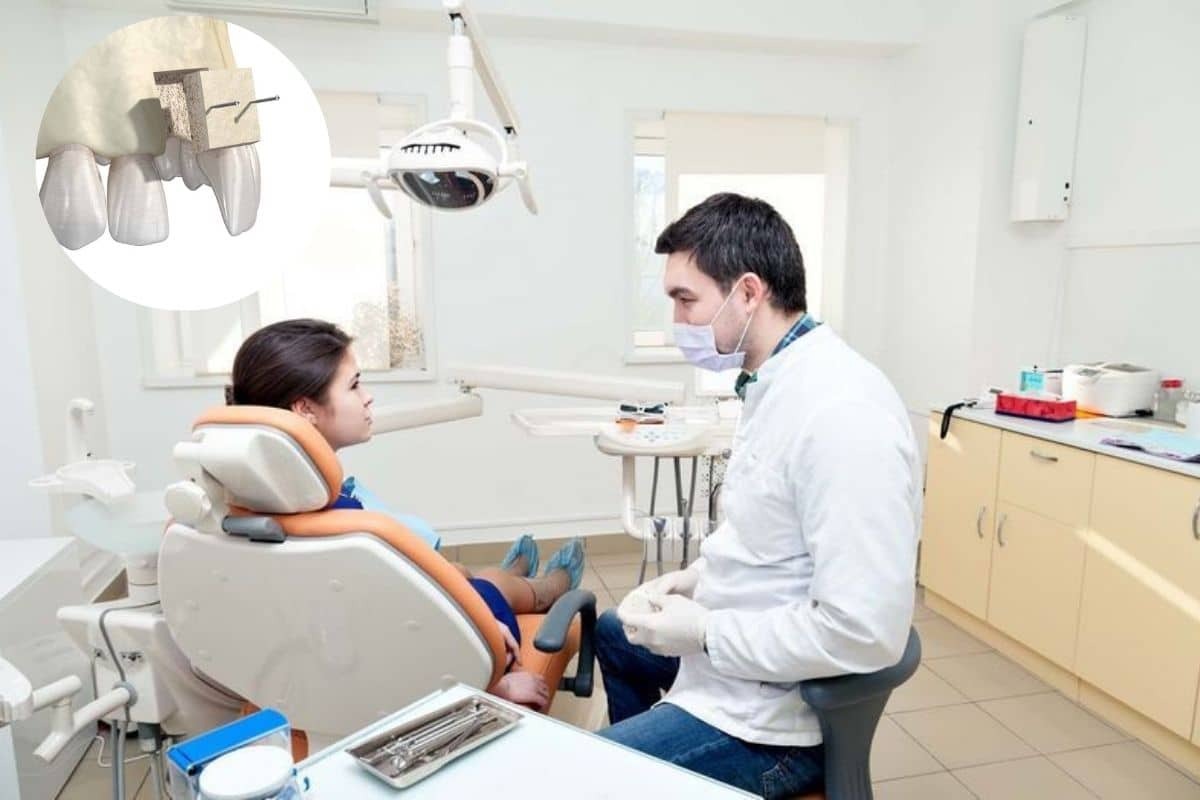
Ridge augmentation is a surgical procedure aimed at increasing the height or width of the jawbone to create a stable foundation for dental implants. The process involves placing bone graft material into the deficient area of the jawbone, promoting new bone growth and providing the necessary support for implants.
Reasons for Insufficient Jawbone
Several factors can contribute to the loss of jawbone density and volume, making ridge augmentation necessary:
- Tooth Loss: When a tooth is lost, the surrounding bone begins to resorb (break down) over time, leading to a decrease in bone volume. This natural process can create a gap or ridge defect in the jawbone.
- Periodontal Disease: Advanced gum disease can damage the supporting structures of the teeth, including the jawbone, leading to bone loss.
- Trauma or Injury: Accidents or injuries to the face and jaw can result in bone loss or defects in the jawbone.
- Congenital Defects: Some individuals may be born with naturally thin or deficient jawbones, making it challenging to place dental implants without augmentation.
The Ridge Augmentation Procedure
The ridge augmentation procedure typically involves the following steps:
- Consultation and Assessment: Your dentist or oral surgeon will conduct a thorough examination, including imaging studies like X-rays or CT scans, to assess the condition of your jawbone and determine the extent of bone loss.
- Bone Grafting: During the procedure, bone graft material is placed in the deficient area of the jawbone. The graft material can come from various sources, including:
- Autografts: Bone taken from another part of your body, such as the hip or jaw area.
- Allografts: Processed bone from a donor.
- Xenografts: Bone from an animal source, typically bovine.
- Synthetic materials: Biocompatible materials that promote bone growth.
- Healing Period: After the bone graft is placed, a healing period is required to allow the graft to integrate with the existing bone and stimulate new bone growth. This process can take several months, during which the grafted area gradually becomes strong enough to support a dental implant.
- Implant Placement: Once the grafted area has healed and sufficient bone density is achieved, the dental implant can be placed into the augmented ridge.
Benefits of Ridge Augmentation
- Improved Implant Stability: Ridge augmentation provides a solid and stable foundation for dental implants, ensuring they are securely anchored in the jawbone.
- Enhanced Aesthetics: By rebuilding the jawbone, ridge augmentation helps restore the natural contour of the gums and jawline, leading to a more aesthetically pleasing result.
- Long-Term Success: Adequate bone support is crucial for the long-term success and durability of dental implants. Ridge augmentation helps prevent implant failure and ensures the longevity of your dental restoration.
- Better Oral Function: With a stable and properly integrated implant, you can enjoy improved oral function, including better chewing, speaking, and overall comfort.
When is Ridge Augmentation Necessary?
Ridge augmentation is typically recommended in the following situations:
- Significant Bone Loss: When there is substantial bone loss in the jaw that cannot support an implant on its own.
- Ridge Defects: When there are defects or irregularities in the jawbone that need to be corrected for optimal implant placement.
- Insufficient Bone Width or Height: When the jawbone lacks the necessary width or height to accommodate an implant.
Conclusion
Ridge augmentation is a crucial preparatory procedure for many patients seeking dental implants. By addressing bone deficiencies and creating a stable foundation, ridge augmentation ensures the success and longevity of dental implants, leading to improved oral health, function, and aesthetics. If you’re considering dental implants and have been advised that ridge augmentation may be necessary, consult with your dental professional to understand the process, benefits, and what to expect during your treatment journey. With the right preparation and care, you can achieve a healthy, beautiful smile that lasts a lifetime.
