
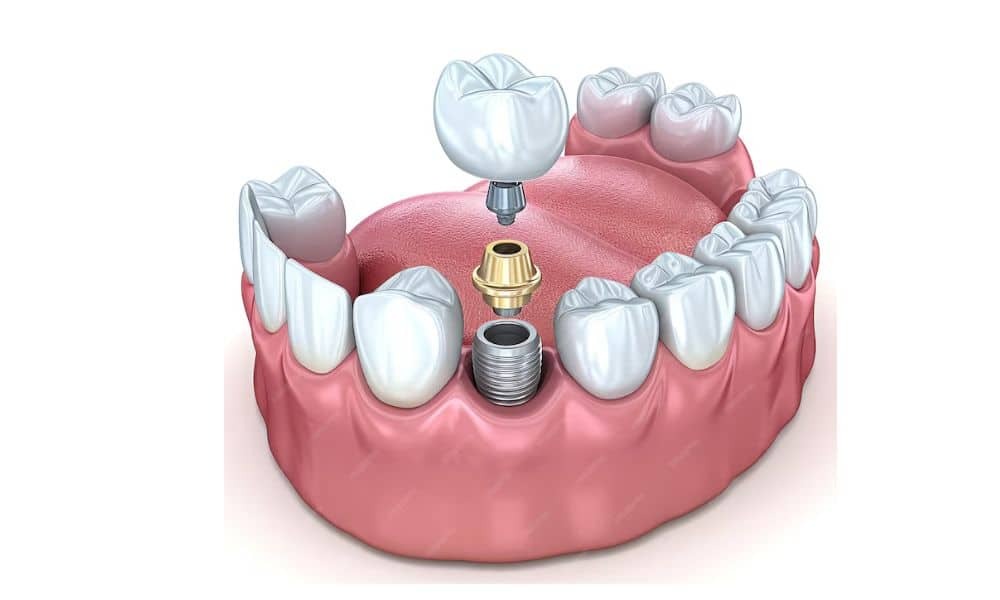
Dental implants are a popular and effective solution for replacing missing teeth, offering a durable, natural-looking alternative to dentures and bridges. With advancements in dental technology, various types of dental implants are available to meet the unique needs of different patients. Understanding the options can help you and your dentist make an informed decision about which types of dental implants are best for you.
1. Endosteal Implants
Endosteal implants are the most common type of dental implant. These implants are surgically placed directly into the jawbone and act as artificial tooth roots. Once the implant has fused with the bone through a process called osseointegration, it provides a stable foundation for a crown, bridge, or denture.
- Shape and Material: Typically, endosteal implants are screw-shaped, but they can also be cylindrical or blade-shaped. They are made from biocompatible materials like titanium or zirconia, which are well-tolerated by the body and promote bone growth.
- Best Suited For: Patients with sufficient bone density and volume in the jaw. If the patient lacks enough bone, a bone graft may be necessary before placing endosteal implants.
- Advantages: Strong, stable, and long-lasting. Endosteal implants offer a high success rate and feel like natural teeth.
2. Subperiosteal Implants
Subperiosteal implants are placed under the gum but on or above the jawbone, rather than inside it. This type of implant consists of a metal framework that sits on top of the jawbone, with posts that protrude through the gums to hold the prosthetic teeth.
- Best Suited For: Patients who have insufficient bone height or density and are not candidates for bone grafting. Subperiosteal implants were more common before the advent of endosteal implants, but they are now less frequently used.
- Advantages: Less invasive than endosteal implants and may be suitable for patients with significant bone loss. The procedure is quicker and doesn’t require as much healing time as bone grafting.
3. Zygomatic Implants
Zygomatic implants are a specialized type of implant used in cases where the upper jawbone has deteriorated too much to support traditional implants. Instead of being anchored in the jawbone, zygomatic implants are anchored in the zygomatic bone (cheekbone), which is denser and offers more support.
- Best Suited For: Patients with severe bone loss in the upper jaw who cannot undergo bone grafting or who want to avoid the extended healing time associated with it.
- Advantages: Allows patients with significant bone loss to receive implants without the need for bone grafting. The procedure can often be completed in one surgical session.
4. All-on-4® Implants
The All-on-4® technique is a full-arch restoration method that uses four strategically placed implants to support an entire arch of teeth, either on the upper or lower jaw. The implants are typically angled to maximize contact with the existing bone, providing a strong and stable foundation for a fixed denture.
- Best Suited For: Patients who are missing most or all of their teeth and want a permanent, non-removable solution. It’s also ideal for patients with some bone loss who want to avoid bone grafting.
- Advantages: Fewer implants are needed to support a full arch, which reduces the cost and recovery time. Patients often receive a temporary set of teeth on the same day as the surgery, allowing them to leave the office with a functional smile.
5. Mini Dental Implants
Mini dental implants are smaller in diameter than traditional implants, usually less than 3mm. They are used primarily to stabilize lower dentures or in areas with less available bone.
- Best Suited For: Patients with insufficient bone structure for full-sized implants or those looking for a less invasive option. They are also a good choice for stabilizing loose dentures.
- Advantages: Less invasive, quicker healing time, and more affordable than traditional implants. Mini implants can often be placed in a single visit.
6. Immediate Load Implants
Immediate load implants, also known as same-day implants, allow a temporary crown or denture to be placed on the implant immediately after surgery. This means patients do not have to wait for the implant to fully integrate with the bone before getting their new teeth.
- Best Suited For: Patients with sufficient bone density and stability to support immediate placement. It’s also ideal for those who want to avoid wearing temporary dentures during the healing period.
- Advantages: Quick results, with patients leaving the office with new teeth on the same day. Immediate load implants provide instant function and aesthetics.
7. Implant-Supported Bridges
Implant-supported bridges are an option for patients who are missing multiple teeth in a row. Instead of placing an implant for every missing tooth, implants are placed at each end of the gap, and a bridge (a set of connected crowns) is attached to them.
- Best Suited For: Patients with several missing teeth in a row who want a fixed solution that doesn’t require an implant for each tooth.
- Advantages: Fewer implants are needed, which reduces the cost and complexity of the procedure. It also offers a strong and durable restoration.
Choosing the right type of dental implant depends on various factors, including your oral health, the number of teeth missing, bone density, and your overall health.
A thorough consultation with a dental implant specialist is essential to determine which option is best for you. Regardless of the type, dental implants offer a long-lasting solution that can significantly improve your quality of life by restoring function, appearance, and confidence.
