
Tooth extraction is one of the most common dental procedures, often necessary to maintain oral health and prevent further complications. Whether due to severe decay, infection, or overcrowding, understanding the cost, procedure, risks, and recovery process can help you feel prepared and confident about your treatment.
What Is Tooth Extraction?
Tooth extraction is the removal of a tooth from its socket in the jawbone. While dentists always try to save natural teeth when possible, extraction becomes necessary in cases such as:
- Severe tooth decay or infection.
- Advanced gum disease.
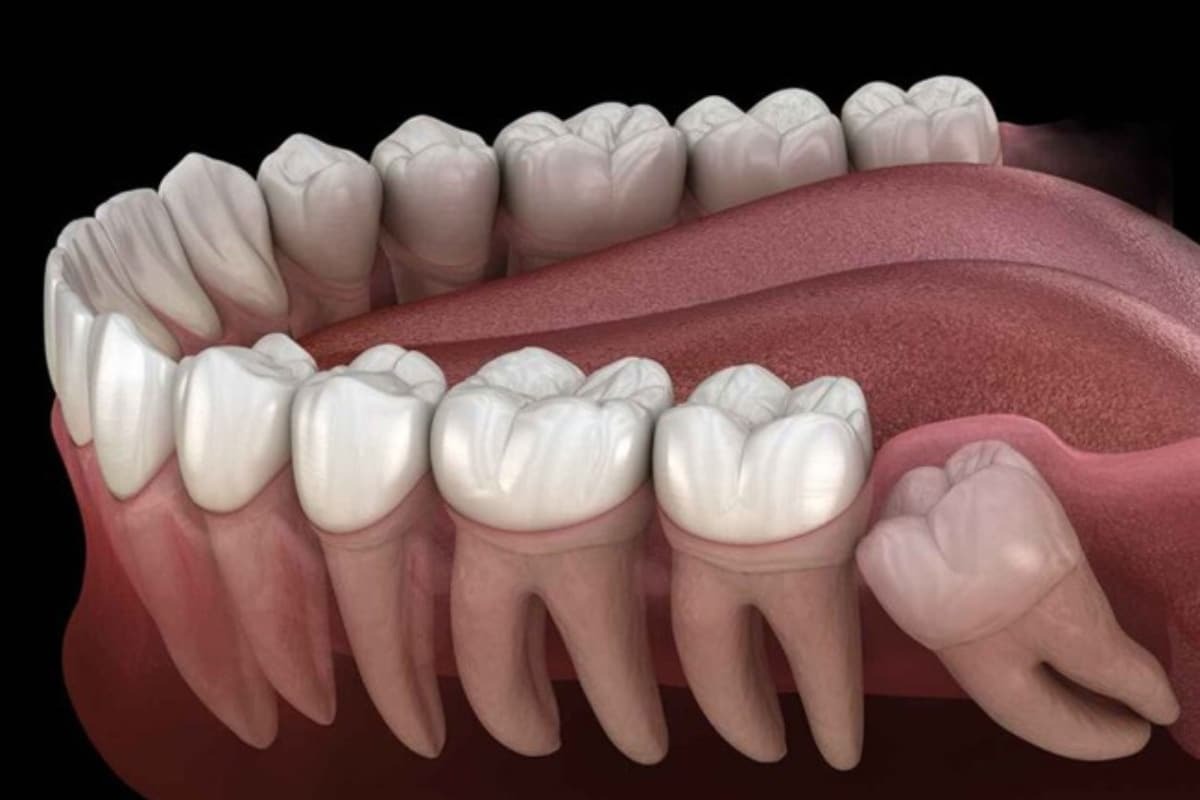
- Impacted wisdom teeth.
- Overcrowding prior to orthodontic treatment.
- Broken or damaged teeth beyond repair.
Tooth Extraction Procedure
The procedure can vary depending on whether it’s a simple extraction or a surgical extraction:
- Simple Extraction: Used when the tooth is visible above the gumline. The dentist numbs the area and gently removes the tooth using specialized instruments.
- Surgical Extraction: Necessary for teeth that are impacted, broken, or not easily accessible. This involves a small incision in the gum and sometimes the removal of bone around the tooth.
Both methods are performed with local anesthesia, and sedation options may also be available for patients who feel anxious.
Cost of Tooth Extraction
The cost of a tooth extraction depends on several factors:
- Type of extraction: Simple extractions are generally less expensive than surgical ones.
- Location of the tooth: Wisdom teeth and molars may cost more due to complexity.
- Anesthesia or sedation: Additional comfort measures can affect the total price.
- Dental insurance coverage: Many plans cover part of the cost for medically necessary extractions.
On average, a simple tooth extraction may range from $75 to $300 per tooth, while surgical extractions may cost between $200 and $600 or more.
Risks of Tooth Extraction
Although tooth extractions are considered safe, like any medical procedure, they come with potential risks, including:
- Infection at the extraction site.
- Dry socket (a painful condition when the blood clot is dislodged).
- Bleeding or swelling.
- Nerve injury (rare).
Your dentist will provide aftercare instructions to minimize these risks and ensure smooth healing.
Recovery After Tooth Extraction
Recovery usually takes a few days to a week, depending on the complexity of the extraction. To promote healing, follow these tips:
- Bite gently on gauze to control bleeding.
- Avoid smoking, drinking through straws, or vigorous rinsing.
- Eat soft foods like yogurt, soup, and mashed potatoes for the first few days.
- Take prescribed pain relievers or antibiotics if recommended.
- Keep the extraction site clean by gently rinsing with salt water after 24 hours.
Most patients return to normal activities within 48–72 hours, although complete healing of the bone and gum tissue may take a few weeks.
Tooth extractions can sound intimidating, but with the right care and guidance, they are safe and effective solutions for protecting your oral health. If you’re experiencing tooth pain, overcrowding, or infection, don’t wait—early treatment can prevent further complications.
At our Phoenix dental office, we provide compassionate and professional tooth extraction services tailored to your needs. Visit us at 4025 W. Bell Road Suite #4 Phoenix, AZ 85053, and book an appointment now to restore your comfort and keep your smile healthy.
