
Healthy gums are the foundation of a healthy smile. When plaque and tartar build up below the gum line, it can lead to gum disease—also known as periodontal disease. One of the most effective treatments for early to moderate stages of gum disease is scaling and root planing. But how often do you really need this deep-cleaning procedure to keep your gums in top condition?
In this blog, we’ll explore what scaling and root planing involves, who needs it, how frequently it should be done, and how it helps maintain long-term oral health.
What Is Scaling and Root Planing?
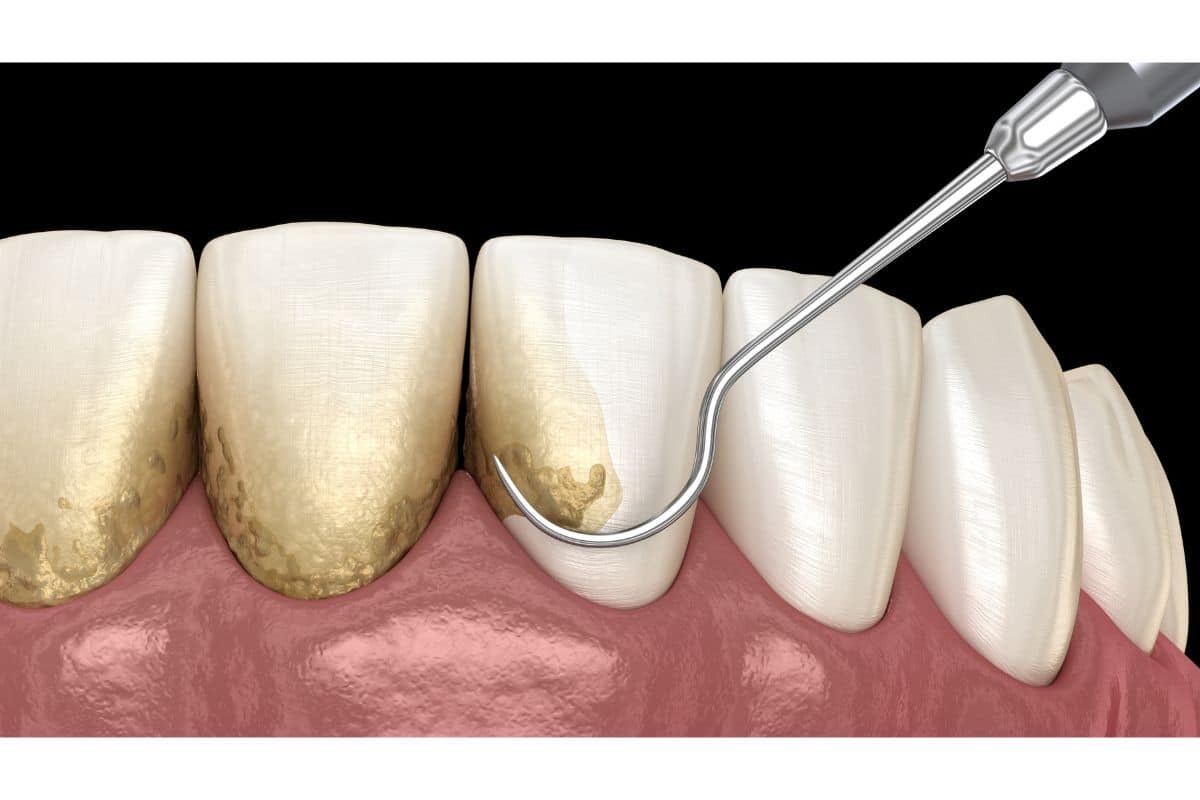
Scaling and root planing is a non-surgical, deep-cleaning dental procedure used to treat gum disease. It targets the areas below the gum line where regular brushing and flossing can’t reach.
- Scaling removes plaque, tartar, and bacteria from the tooth surfaces and beneath the gum line.
- Root planing smooths the tooth roots to help gums reattach and prevent bacteria from accumulating again.
This treatment is typically recommended for patients showing signs of gingivitis or periodontitis, such as:
- Red, swollen, or bleeding gums
- Persistent bad breath
- Gum recession
- Loose teeth
- Deep periodontal pockets
Why Is Scaling and Root Planing Necessary?
When plaque and tartar build up below the gum line, they create an environment where harmful bacteria thrive. These bacteria can cause the gums to pull away from the teeth, forming deep pockets that become even harder to clean. If untreated, this can lead to bone loss and eventually tooth loss.
Scaling and root planing helps by:
- Removing harmful bacteria
- Reducing inflammation
- Shrinking periodontal pockets
- Helping gums reattach to teeth
- Slowing or stopping the progression of gum disease
How Often Do You Need Scaling and Root Planing?
The frequency of scaling and root planing depends on the severity of your gum disease and how well you maintain oral hygiene afterward. Here’s a breakdown of typical recommendations:
1. Initial Treatment
If it’s your first time undergoing the procedure, your dentist or periodontist will usually complete it in one or two sessions, possibly dividing your mouth into quadrants.
After the initial deep cleaning, you’ll need a follow-up visit to assess healing and measure any reduction in pocket depths.
2. Maintenance Phase
After initial treatment, most patients are placed on a periodontal maintenance schedule. This typically means returning for cleaning every:
- 3 to 4 months for patients with moderate to advanced gum disease
- 6 months for patients with mild periodontal issues and excellent home care
- Every 12 months only for those with stable gums and no signs of recurring disease
Routine dental cleanings (prophylaxis) are not always enough for people with a history of gum disease. Scaling and root planing may be repeated periodically to manage chronic conditions and prevent relapse.
Factors That Affect How Often You Need Deep Cleaning
Every patient is different, and your dentist will consider several factors when recommending how often you need scaling and root planing:
1. Gum Disease Severity
The deeper your periodontal pockets and the more extensive the inflammation, the more frequently you may need deep cleaning to maintain gum health.
2. Oral Hygiene Habits
Patients who brush and floss effectively and follow their dentist’s recommendations may require fewer deep cleanings over time.
3. Smoking and Lifestyle Habits
Smokers and individuals with poor nutrition or high stress levels are more prone to gum disease, often requiring more frequent treatment.
4. Chronic Health Conditions
Conditions like diabetes can impact gum health and healing, increasing the need for regular scaling and root planing.
5. Genetic Predisposition
Some people are more genetically susceptible to periodontal disease and may need deeper cleanings more often, even with good oral hygiene.
What to Expect During the Procedure
Scaling and root planing is usually performed under local anesthesia for comfort. During the treatment:
- The dentist or hygienist uses specialized tools to remove tartar from above and below the gum line.
- The root surfaces are smoothed to eliminate bacteria-attracting rough spots.
- Antibacterial agents or medications may be placed in the periodontal pockets to aid healing.
After the procedure, mild discomfort, sensitivity, or swollen gums are common but temporary. Most patients experience significant improvement within a few weeks.
Benefits of Regular Scaling and Root Planing
Staying on top of your deep-cleaning schedule offers several important advantages:
- Healthier gums and reduced bleeding or swelling
- Decreased risk of tooth loss due to bone or gum recession
- Improved breath from reduced bacterial load
- Better control of systemic health conditions like diabetes and heart disease
- Preservation of natural teeth without the need for extensive surgery
Remember, gum disease is progressive. The earlier and more consistently you treat it, the better your long-term outcome.
Scaling and Root Planing vs. Regular Dental Cleanings
It’s important to understand the difference between scaling and root planing and a regular dental cleaning.
| Procedure | Purpose | Frequency |
|---|---|---|
| Regular Cleaning (Prophylaxis) | Maintains healthy gums by removing plaque and tartar above the gum line | Every 6 months for most people |
| Scaling and Root Planing | Treats gum disease by cleaning deep below the gum line and smoothing roots | Every 3–6 months, depending on condition |
If you’ve had scaling and root planing, you may alternate between deep cleanings and regular cleanings, based on your dentist’s evaluation.
Tips to Maintain Healthy Gums After Scaling and Root Planing
To reduce how often you’ll need deep cleaning in the future, follow these preventive tips:
- Brush twice daily with a soft-bristled toothbrush and fluoride toothpaste
- Floss or use interdental brushes to clean between teeth
- Use an antimicrobial mouthwash as recommended by your dentist
- Quit smoking to improve healing and gum health
- Eat a balanced diet rich in vitamins C and D
- Attend all follow-up visits and periodontal maintenance appointments
Consistency is key when it comes to gum health.
If you’re noticing red, swollen, or bleeding gums, or if it’s been a while since your last deep cleaning, scaling and root planing may be just what you need to restore your gum health. Early treatment can prevent serious damage and help preserve your natural teeth. Our team is here to provide gentle, thorough care and personalized guidance for long-term oral wellness. Book an appointment now and take the first step toward a healthier, brighter smile.
