
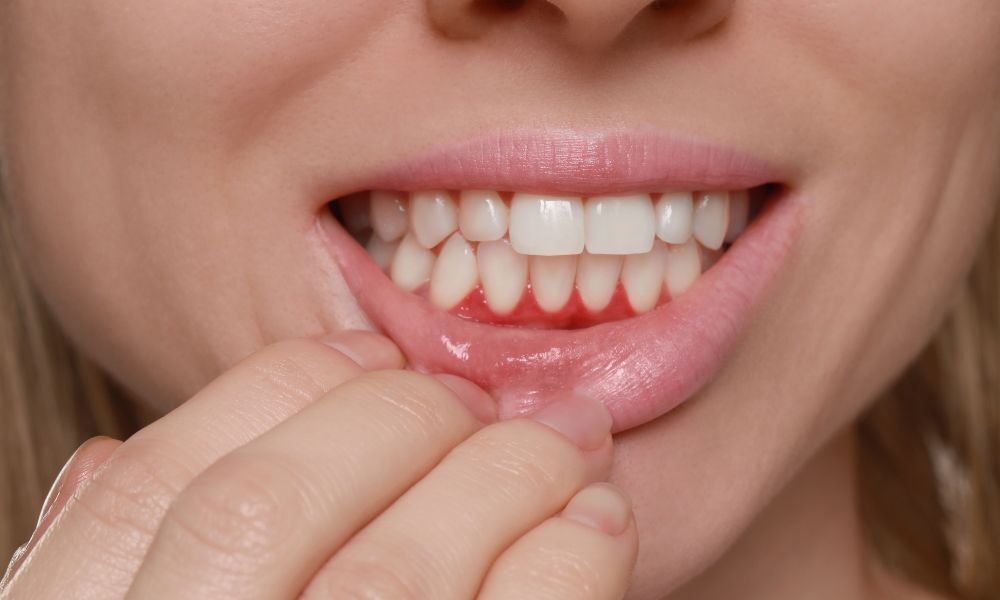
Maintaining healthy gums is just as important as taking care of your teeth. Gum health plays a crucial role in your overall oral hygiene, and neglecting it can lead to serious dental issues, including periodontal disease. One of the key treatments for maintaining gum health is periodontal cleaning, a deep cleaning procedure designed to remove plaque and tartar from below the gum line. In this blog, we’ll explore what periodontal cleaning involves and provide tips to keep your gums healthy.
What Is Periodontal Cleaning?
Periodontal cleaning, also known as scaling and root planing, is a non-surgical procedure performed by a dentist or dental hygienist. It is specifically designed to treat periodontal disease, which affects the gums and the supporting structures of the teeth. Periodontal disease, if left untreated, can lead to tooth loss and other serious health issues.
The cleaning is usually done in two stages:
- Scaling: This involves removing plaque and tartar from the surface of the teeth and below the gumline. Plaque is a sticky film of bacteria that forms on your teeth, and when it hardens, it becomes tartar (or calculus), which can only be removed by a professional.
- Root Planing: After scaling, the roots of your teeth are smoothed out to remove rough areas where bacteria can gather. This helps the gums reattach to the teeth and reduces the depth of gum pockets, making it easier to maintain oral hygiene.
Signs You May Need Periodontal Cleaning
Periodontal cleaning is recommended for patients showing signs of gum disease, such as:
- Red, Swollen Gums: Healthy gums should be firm and pale pink. If your gums are red, swollen, or tender, it could be a sign of gum disease.
- Bleeding Gums: Gums that bleed during brushing or flossing may indicate inflammation or infection.
- Persistent Bad Breath: Bad breath that doesn’t go away, even after brushing and using mouthwash, can be a sign of gum disease.
- Receding Gums: If your gums are pulling away from your teeth, exposing more of the tooth or even its root, you may need periodontal treatment.
- Loose Teeth: As gum disease progresses, it can lead to bone loss and cause teeth to become loose.
The Importance of Regular Periodontal Cleaning
Regular periodontal cleanings are essential for preventing the progression of gum disease. Here’s why:
- Prevents Tooth Loss: By removing the bacteria and toxins that cause gum disease, periodontal cleaning helps preserve the bone structure that supports your teeth.
- Reduces Inflammation: Deep cleaning reduces gum inflammation, which can help prevent further damage to the gums and surrounding tissues.
- Improves Oral Hygiene: Smoother tooth surfaces make it harder for plaque to adhere, making it easier for you to maintain good oral hygiene at home.
- Promotes Overall Health: Gum disease has been linked to other health conditions such as heart disease, diabetes, and respiratory issues. Keeping your gums healthy can contribute to better overall health.
Tips for Keeping Your Gums Healthy
In addition to regular dental visits and periodontal cleanings, there are several things you can do at home to keep your gums healthy:
- Brush Your Teeth Twice a Day: Use a soft-bristled toothbrush and fluoride toothpaste to brush your teeth for at least two minutes. Make sure to gently brush along the gumline to remove plaque.
- Floss Daily: Flossing removes food particles and plaque from between your teeth and below the gumline which your toothbrush can’t reach. Be gentle to avoid damaging your gums.
- Use an Antimicrobial Mouthwash: Mouthwash can help reduce plaque and gingivitis, freshen your breath, and remove debris from your mouth. Choose a mouthwash that’s designed to kill bacteria and reduce plaque.
- Eat a Healthy Diet: A balanced diet rich in vitamins and minerals can help strengthen your immune system and fight off infections, including those in your gums. Foods high in vitamin C, like citrus fruits and leafy greens, are particularly beneficial for gum health.
- Avoid Tobacco Products: Smoking and using other tobacco products increases the risk of gum disease and can make it more difficult for your gums to heal after a cleaning. Quitting tobacco can significantly improve your gum health.
- Stay Hydrated: Drinking plenty of water helps wash away food particles and bacteria in your mouth, reducing the risk of plaque buildup and gum disease.
- Regular Dental Check-Ups: Even if you don’t have symptoms of gum disease, it’s important to visit your dentist regularly for check-ups and cleanings. Early detection and treatment of gum problems can prevent more serious issues down the line.
Conclusion
Periodontal cleaning is a vital part of maintaining healthy gums and preventing gum disease from progressing. By combining professional cleanings with good oral hygiene practices at home, you can protect your gums, keep your smile healthy, and reduce the risk of serious dental issues. Remember, healthy gums are the foundation of a healthy mouth, so make them a priority in your daily routine!
