
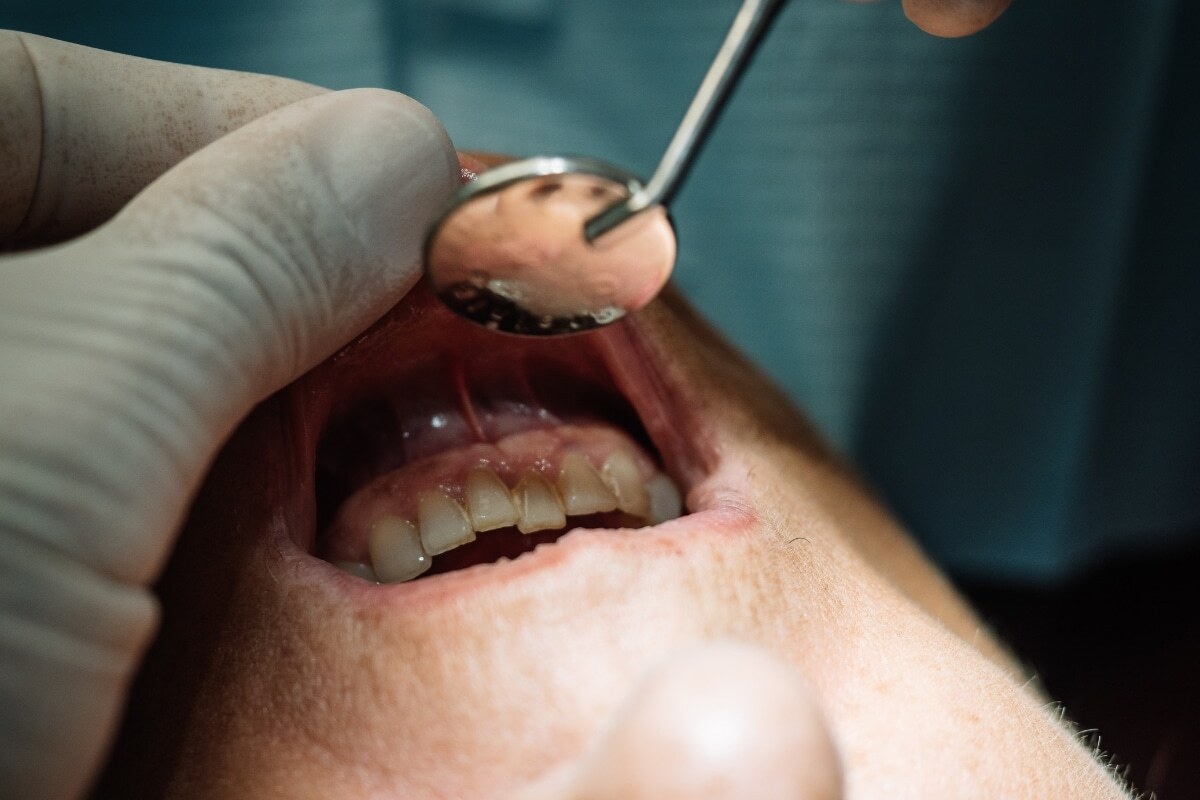
Gum disease is one of the most common oral health issues, yet many people underestimate how preventable it is with the right habits. From mild gingivitis to advanced periodontitis, gum disease can cause inflammation, bleeding gums, tooth loss, and even affect overall health. The good news is that simple daily practices can dramatically reduce your risk. In this blog, we’ll cover the best oral care habits that protect your gums and keep your smile healthy.
Brush Twice Daily with Proper Technique
Brushing twice a day is essential, but the way you brush matters just as much. Use a soft-bristled toothbrush and fluoride toothpaste, holding the brush at a 45-degree angle to the gumline. Gentle circular motions clean both the teeth and the gums without irritating them. Avoid aggressive scrubbing, which can wear down enamel and damage gum tissue.
Replacing your toothbrush every three to four months—or sooner if bristles fray—also ensures you’re cleaning effectively.
Floss Every Day
Even with diligent brushing, plaque and food particles often hide between teeth where brushes can’t reach. Daily flossing removes this buildup, preventing bacteria from irritating the gums and causing infection. If traditional floss feels difficult, interdental brushes or water flossers are effective alternatives. Making flossing a daily habit is one of the most powerful ways to stop gum disease before it starts.
Rinse with Antimicrobial Mouthwash
Adding a mouthwash to your routine can help control bacteria and reduce plaque buildup. Antimicrobial rinses fight the bacteria responsible for gum disease, while fluoride rinses strengthen teeth. Swishing for about 30 seconds after brushing and flossing provides an extra layer of protection.
Maintain a Balanced Diet
Your diet has a direct impact on your gum health. Limit sugary snacks and drinks, as they feed bacteria that lead to plaque and gum infections. Instead, choose nutrient-rich foods like leafy greens, crunchy fruits, dairy products, and lean proteins. Vitamin C strengthens gum tissue, while calcium supports strong teeth and jawbones. Drinking plenty of water also helps wash away food particles and keeps the mouth hydrated.
Avoid Tobacco Products
Smoking and chewing tobacco are among the leading risk factors for gum disease. Tobacco weakens the immune system, reduces blood flow to the gums, and makes it harder to fight infection. Quitting tobacco is one of the best things you can do for your oral and overall health.
Visit Your Dentist Regularly
Even the best home care isn’t enough without professional dental checkups. Dentists can detect early signs of gum disease and remove hardened plaque (tartar) that brushing and flossing can’t eliminate. Scheduling visits every six months ensures your gums and teeth stay healthy.
If gum disease does develop, early gum disease treatment in Phoenix can stop progression and restore gum health before permanent damage occurs.
FAQs About Gum Disease
1. What are the early signs of gum disease?
The first signs often include red, swollen, or bleeding gums when brushing or flossing. Persistent bad breath, gum tenderness, and receding gums can also indicate early gum disease.
2. Can gum disease be reversed?
Yes—gingivitis, the earliest stage of gum disease, can often be reversed with improved oral care and professional cleanings. Advanced periodontitis, however, requires ongoing dental treatment to manage.
3. How often should I visit the dentist for gum health?
Most people benefit from dental checkups every six months. If you already have gum disease, your dentist may recommend more frequent visits to prevent progression.
Protect Your Smile with Healthy Habits
Preventing gum disease is about consistency and awareness. By brushing and flossing daily, eating a balanced diet, avoiding tobacco, and visiting your dentist regularly, you can protect your gums and enjoy a healthier smile for life.
If you notice any warning signs of gum disease, don’t wait—early treatment makes all the difference. For compassionate and expert care, visit us at 4025 W Bell Rd Suite #4, Phoenix, AZ 85053.
