
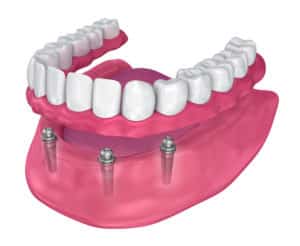
Full mouth tooth replacement is a significant dental procedure designed to restore the function and aesthetics of a patient’s entire set of teeth. This treatment can be life-changing, offering a permanent solution for those who have lost all or most of their teeth due to decay, injury, or other health issues. One common question patients have is, “How many implants are required for full mouth tooth replacement?” Here, we’ll explore the factors that determine the number of implants needed and the various treatment options available.
Understanding Dental Implants
Dental implants are titanium posts surgically placed into the jawbone to serve as artificial tooth roots. They provide a strong foundation for fixed or removable replacement teeth, such as crowns, bridges, or dentures. The number of implants required for full mouth tooth replacement can vary depending on several factors, including the type of restoration chosen and the condition of the patient’s jawbone.
Factors Influencing the Number of Implants
- Bone Density and Volume
- The quality and quantity of the jawbone are crucial in determining the number of implants. Patients with sufficient bone density may need fewer implants, while those with significant bone loss might require additional implants or bone grafting procedures to ensure stability.
- Type of Restoration
- The type of dental restoration (e.g., fixed bridge, removable denture, hybrid prosthesis) significantly impacts the number of implants needed. Different restoration types distribute biting forces differently, influencing implant placement and quantity.
- Patient’s Oral Health
- The overall health of the patient’s mouth, including the presence of any gum disease or other oral conditions, can affect the number of implants required and their placement.
Treatment Options for Full Mouth Replacement
- Full Arch Fixed Bridge
- This option involves placing a fixed bridge supported by dental implants. Typically, 6 to 8 implants per arch (upper and lower jaw) are needed to support a fixed bridge. This solution offers a permanent and highly stable set of teeth, closely mimicking natural teeth.
- All-on-4® Treatment Concept
- The All-on-4® treatment concept uses four strategically placed implants to support a full arch of teeth. This method is highly efficient and often avoids the need for bone grafting, making it a popular choice for many patients. The implants are placed at specific angles to maximize the use of available bone.
- Removable Implant-Supported Dentures
- Removable dentures can be supported by fewer implants, typically 4 to 6 per arch. These dentures snap onto the implants, providing better stability than traditional dentures but can be removed for cleaning and maintenance.
- Hybrid Prosthesis (Fixed-Detachable)
- A hybrid prosthesis is a combination of a fixed bridge and a removable denture. It is usually supported by 4 to 6 implants per arch and offers the benefits of both fixed and removable solutions. This option provides a secure fit while allowing easy maintenance.
Determining the Right Number of Implants
The exact number of implants needed for full mouth replacement varies from patient to patient. A comprehensive evaluation by a dental professional is necessary to determine the best approach. This evaluation typically includes:
- Diagnostic Imaging: X-rays, CT scans, and 3D imaging help assess bone structure and density, guiding implant placement.
- Dental Impressions: Detailed impressions of your mouth create a precise model for planning the restoration.
- Consultation and Treatment Planning: A thorough discussion with your dentist or oral surgeon about your goals, budget, and any concerns you may have.
Benefits of Full Mouth Implant Restoration
- Improved Functionality: Dental implants restore the ability to eat, speak, and chew effectively.
- Aesthetic Enhancement: Implants provide a natural-looking smile, improving facial aesthetics and self-confidence.
- Bone Preservation: Implants stimulate the jawbone, preventing bone loss and maintaining facial structure.
- Long-Term Solution: With proper care, dental implants can last a lifetime, making them a cost-effective solution in the long run.
Conclusion
The number of implants required for full mouth tooth replacement depends on various factors, including bone quality, the type of restoration, and the patient’s oral health. Common solutions range from 4 to 8 implants per arch, tailored to meet individual needs and preferences. Consulting with a qualified dental professional is essential to determining the best treatment plan for achieving a fully functional and aesthetically pleasing smile. Dental implants offer a robust, durable, and life-changing solution for those seeking full mouth restoration.