
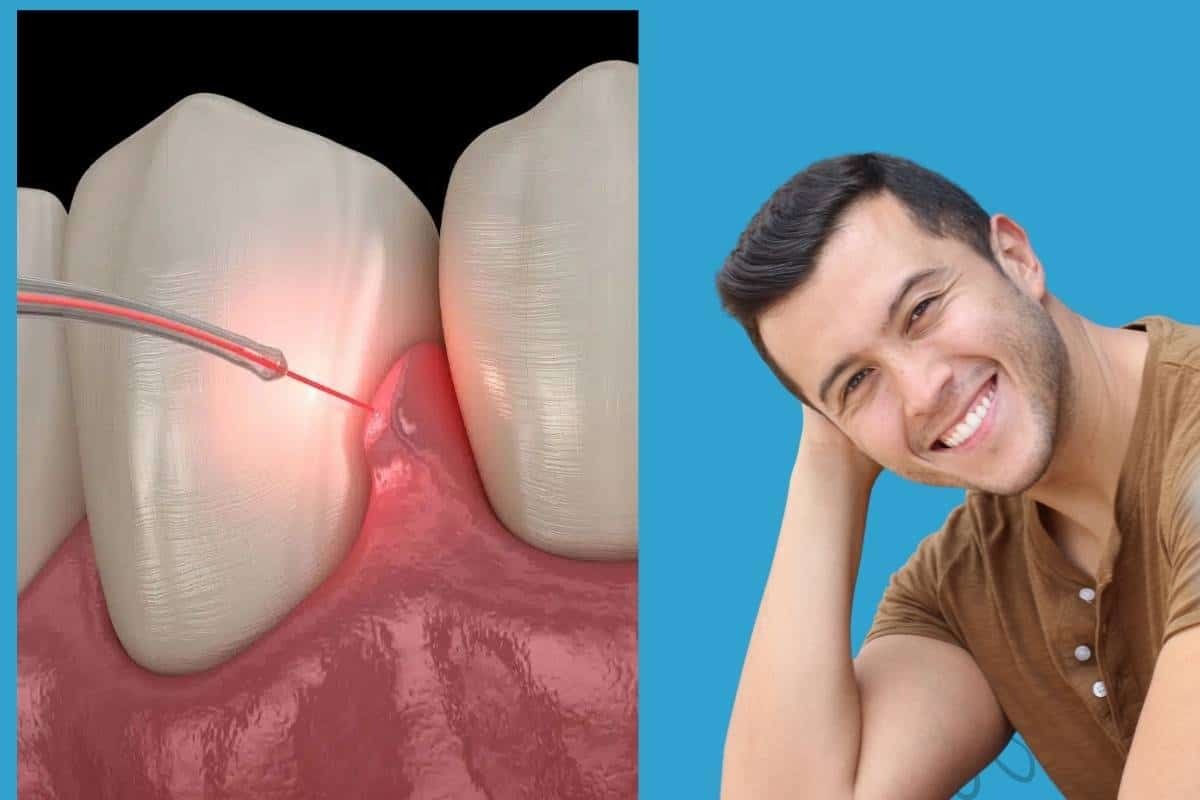
Gum disease, also known as periodontal disease, is a common yet serious oral health condition that affects millions of people worldwide. Left untreated, gum disease can lead to gum recession, tooth loss, and even systemic health issues. Fortunately, advancements in dental technology have led to the development of minimally invasive treatments such as LANAP (Laser-Assisted New Attachment Procedure), laser gum surgery. In this informative blog, we’ll explore the effectiveness of LANAP laser gum surgery as a treatment for gum disease and its benefits compared to traditional gum surgery methods.
Understanding LANAP Laser Gum Surgery
LANAP laser gum surgery is an FDA-approved procedure that uses a specialized laser system to treat gum disease. Unlike traditional gum surgery, which involves cutting and suturing the gum tissue, LANAP utilizes laser energy to selectively target and remove diseased tissue while preserving healthy gum tissue and promoting the regeneration of new attachment fibers.
How LANAP Works
During the LANAP procedure, your dentist or periodontist will use a small fiber optic laser to access and remove the diseased tissue from around the teeth and below the gumline. The laser energy targets and kills bacteria and removes calculus (tartar) buildup from the root surfaces of the teeth. Once the diseased tissue is removed, the laser is used to stimulate the surrounding gum tissue and promote the formation of blood clots, which aid in the healing process.
Effectiveness of LANAP Laser Gum Surgery
LANAP laser gum surgery is highly effective in treating gum disease and promoting periodontal regeneration. Some key benefits and outcomes associated with LANAP include:
- Reduced Healing Time: LANAP is a minimally invasive procedure that typically results in less post-operative discomfort and faster healing compared to traditional gum surgery methods. Many patients report minimal pain and swelling following LANAP treatment.
- Preservation of Healthy Tissue: Unlike traditional gum surgery, which involves cutting away healthy gum tissue, LANAP selectively targets and removes only the diseased tissue while leaving the surrounding healthy tissue intact. This preservation of healthy tissue promotes faster healing and reduces the risk of recession.
- Regeneration of Attachment Fibers: LANAP has been shown to stimulate the regeneration of new attachment fibers, which help reattach the gum tissue to the root surfaces of the teeth. This can lead to improved periodontal health and reduced pocket depths around the teeth.
- Long-Term Success: Studies have demonstrated the long-term effectiveness of LANAP in treating gum disease and maintaining periodontal health. Many patients experience significant improvements in gum health and stability following LANAP treatment.
- Minimal Discomfort: LANAP is a gentle and comfortable procedure for patients, with most reporting minimal discomfort during and after treatment. The use of laser technology reduces the need for anesthesia and minimizes trauma to the surrounding tissues.
LANAP laser gum surgery is a highly effective, minimally invasive solution for treating gum disease. This advanced procedure precisely removes infected tissue while preserving healthy gum structure and stimulating natural periodontal regeneration. Compared to traditional gum surgery, LANAP offers less discomfort, reduced bleeding, and faster healing—making it a preferred option for many patients.
If you’re struggling with gum disease or looking for a modern alternative to conventional surgical treatment, LANAP laser therapy could be the answer. Schedule a consultation and visit our office at 4025 W Bell Rd, Suite #4, Phoenix, AZ 85053 with a qualified periodontist to find out if LANAP is right for you and take the next step toward healthier gums and a stronger smile.
FAQs
How effective is LANAP laser gum surgery for treating gum disease?
LANAP (Laser-Assisted New Attachment Procedure) is highly effective in treating moderate to severe periodontal disease. It targets and removes infected gum tissue and bacteria while preserving healthy tissue. Clinical studies show that LANAP can significantly reduce pocket depth, control infection, and promote regeneration of bone and gum attachment around teeth.
Does LANAP laser treatment help regenerate bone and tissue?
Yes. One of the major advantages of LANAP laser gum surgery is its ability to stimulate natural tissue regeneration. The laser energy encourages the reattachment of gum tissue to the tooth root and supports bone regeneration, helping stabilize teeth that may have been compromised by periodontal disease.
Is LANAP more effective than traditional gum surgery?
For many patients, LANAP offers comparable or even superior results to traditional flap surgery. Because it is minimally invasive, patients typically experience less bleeding, reduced swelling, minimal discomfort, and faster healing—while still achieving excellent infection control and long-term periodontal stability.
How long do the results of LANAP laser gum surgery last?
With proper oral hygiene, regular dental visits, and ongoing periodontal maintenance, the results of LANAP can be long-lasting. Maintaining healthy habits such as daily brushing, flossing, and professional cleanings is essential to prevent the recurrence of gum disease and protect your treatment results.
