
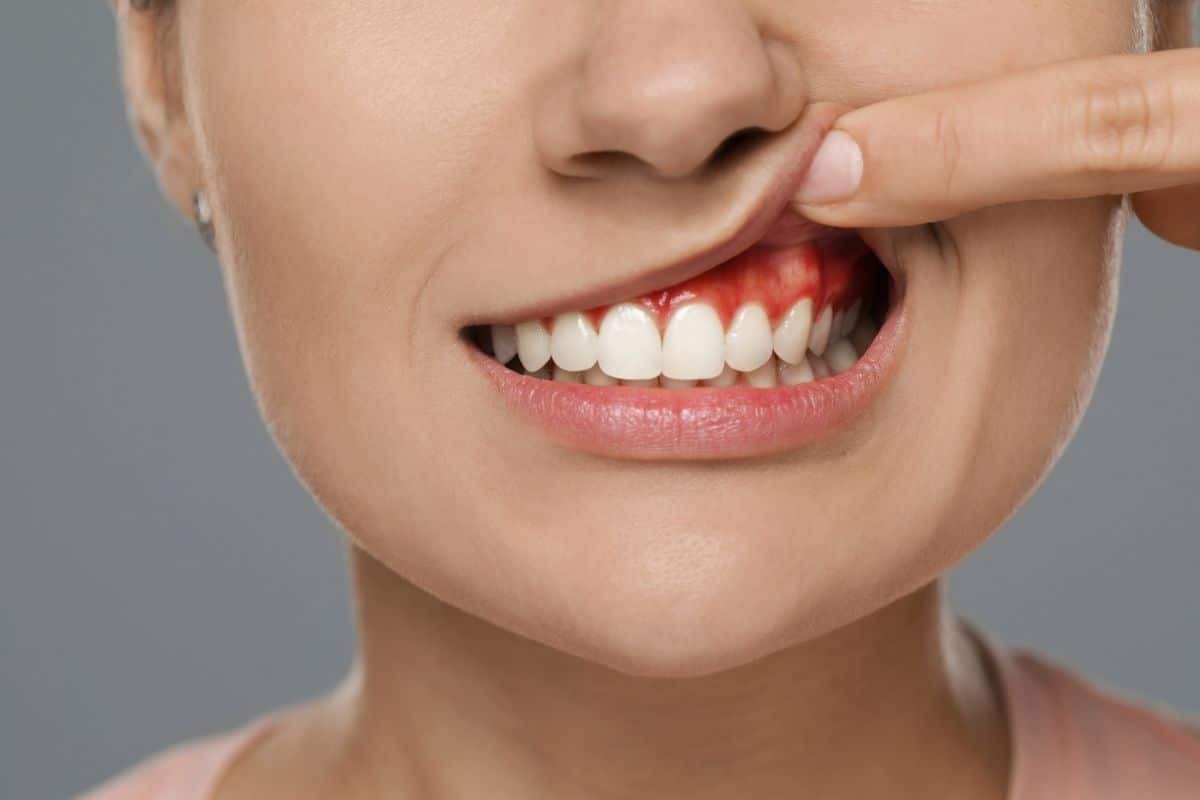
Periodontal disease, commonly known as gum disease, is a serious oral health condition that affects the gums and supporting structures of the teeth. It is caused by bacterial infections resulting from plaque buildup along the gumline. If left untreated, it can lead to gum recession, tooth loss, and even systemic health complications. Fortunately, with proper care and treatment, periodontal disease can be managed effectively. In this blog, we will explore the causes, symptoms, and various treatment options available to help combat this condition.
Understanding Periodontal Disease
Periodontal disease progresses in stages, from mild gum inflammation to severe infection and bone loss. Understanding these stages is crucial to early detection and treatment.
1. Gingivitis (Early Stage)
- Gingivitis is the initial stage of periodontal disease and is caused by plaque accumulation on the teeth and gums.
- Symptoms include red, swollen gums that may bleed during brushing or flossing.
- At this stage, the damage is reversible with proper oral hygiene and professional cleanings.
2. Periodontitis (Advanced Stage)
- If left untreated, gingivitis can progress to periodontitis, where the infection spreads below the gumline.
- The immune system responds by releasing chemicals that break down gum tissue and bone.
- Symptoms include gum recession, persistent bad breath, loose teeth, and pus formation around the gums.
- Without treatment, periodontitis can lead to tooth loss and may increase the risk of other health conditions, such as heart disease and diabetes.
Treatment Options for Periodontal Disease
Treatment for periodontal disease varies based on its severity. The goal is to control infection, halt disease progression, and restore gum and bone health.
1. Professional Dental Cleaning
For mild cases of gingivitis, professional cleanings (prophylaxis) can effectively remove plaque and tartar buildup. Regular dental cleanings, at least twice a year, are essential for preventing the disease from worsening.
2. Scaling and Root Planing (Deep Cleaning)
When plaque and tartar accumulate beneath the gumline, a deep cleaning procedure known as scaling and root planing is necessary. This treatment involves:
- Scaling: removing plaque and tartar from above and below the gumline.
- Root Planing: Smoothing out the tooth roots to prevent bacteria from adhering and to promote gum reattachment.
3. Antibiotic Therapy
Antibiotics are often prescribed to reduce bacterial infection and inflammation. These may be administered in different forms:
- Topical antibiotics: medicated mouth rinses or gels applied directly to gum pockets.
- Oral antibiotics: Pills or capsules are taken to help control infection in severe cases.
4. Laser Therapy
Laser-assisted periodontal therapy is a minimally invasive treatment option that helps remove infected tissue and bacteria while promoting healing. It is often used in conjunction with scaling and root planing.
5. Surgical Treatments
For advanced periodontitis, surgical intervention may be necessary to restore gum and bone health.
- Flap Surgery (Pocket Reduction Surgery): The gums are lifted back to remove deep-seated tartar, then sutured to fit snugly around the teeth.
- Bone Grafts: This procedure helps regenerate lost bone support around the teeth.
- Soft Tissue Grafts: Used to treat gum recession by taking tissue from another part of the mouth and grafting it onto the affected areas.
- Guided Tissue Regeneration: stimulates bone and gum tissue regrowth using special membranes or proteins.
Home Care Tips to Manage and Prevent Periodontal Disease
Maintaining good oral hygiene is crucial for preventing and managing periodontal disease. Here are essential daily habits to incorporate into your routine:
1. Brush and Floss Daily
- Brush your teeth at least twice a day using fluoride toothpaste and a soft toothbrush.
- Use gentle circular motions to clean along the gumline.
- Floss daily to remove plaque between teeth and under the gums where a toothbrush cannot reach.
2. Use an Antimicrobial Mouthwash
- Rinse with an antibacterial mouthwash to help kill harmful bacteria and reduce plaque buildup.
- Look for mouthwashes containing chlorhexidine or essential oils for effective gum protection.
3. Maintain a Healthy Diet
- Eat a balanced diet rich in vitamins and minerals, particularly vitamin C and calcium, to support gum health.
- Avoid sugary and acidic foods that contribute to plaque formation.
- Drink plenty of water to help wash away food particles and bacteria.
4. Quit Smoking and Limit Alcohol Consumption
- Smoking weakens the immune system, making it harder for the body to fight infections and heal gum tissues.
- Alcohol can contribute to dry mouth, increasing the risk of plaque buildup and gum disease.
5. Manage Underlying Health Conditions
- Conditions like diabetes can increase the risk of periodontal disease. Properly managing these conditions can help improve gum health.
- Regular exercise and stress management can also boost immune function and overall oral health.
6. Schedule Regular Dental Checkups
- Visit your periodontist every six months for professional cleanings and checkups.
- Early detection of gum disease allows for prompt treatment, preventing further complications.
- If you notice symptoms such as bleeding gums, persistent bad breath, or loose teeth, seek dental care immediately.
Periodontal disease is preventable and manageable with proper oral hygiene and timely professional care at 4025 W Bell Rd Suite #4, Phoenix, AZ 85053. By practicing good dental habits, seeking regular dental checkups, and undergoing appropriate treatments when necessary, you can maintain strong, healthy gums and teeth. If you suspect you have gum disease, consult your periodontist as soon as possible to prevent further complications and preserve your smile for years to come.
