
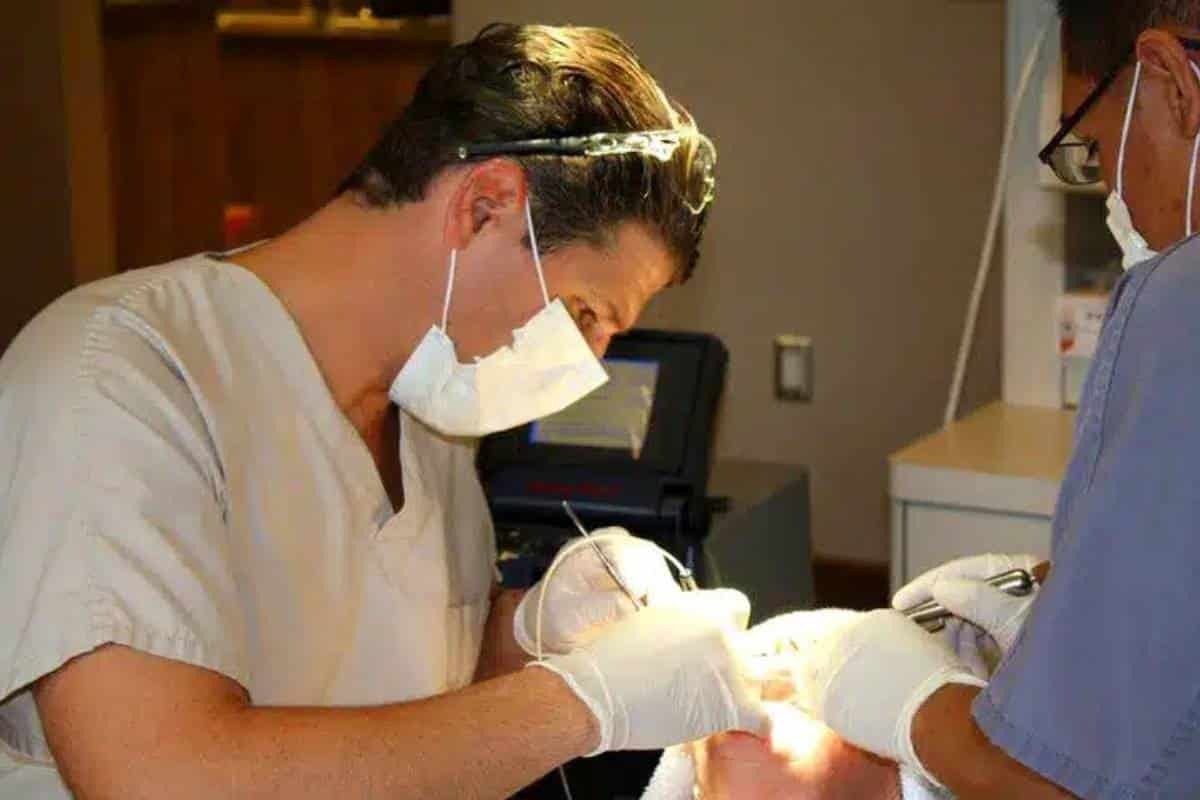
Gum recession can lead to tooth sensitivity, gum disease, and even tooth loss if left untreated. For patients in Phoenix, AZ, gum graft surgery performed by Dr. Jason Augustine, DDS, is a safe and effective solution to restore gum health, protect teeth, and enhance the smile.
This guide explains what to expect before, during, and after gum graft surgery, helping you feel prepared and confident throughout the process.
What Is Gum Graft Surgery?
Gum graft surgery is a periodontal procedure that replaces receding or damaged gum tissue. The surgery can:
- Cover exposed tooth roots
- Reduce tooth sensitivity
- Prevent further gum recession
- Improve the overall appearance of your smile
Dr. Jason Augustine, DDS, uses advanced techniques to ensure minimal discomfort, faster healing, and natural-looking results for Phoenix patients.
Before Gum Graft Surgery: Preparing for Success
✅ Do’s Before Surgery
- Follow Pre-Op Instructions
Dr. Jason Augustine may recommend a professional cleaning, medications, or adjustments to your oral care routine. Following these steps reduces the risk of infection. - Maintain Excellent Oral Hygiene
Clean teeth and gums make surgery safer and recovery faster. - Plan Your Schedule
Take a day or two off work if possible, and arrange transportation if sedation is recommended. - Eat a Light Meal (Unless Advised Otherwise)
A nutritious, light meal can help you feel comfortable during your appointment.
❌ Don’ts Before Surgery
- Avoid Smoking and Alcohol
These can slow healing and increase the risk of complications. - Do Not Skip Disclosing Medical History
Inform your dentist about medications, allergies, or health conditions. - Avoid Aggressive Brushing Near Affected Areas
This can cause irritation or bleeding before surgery.
During Gum Graft Surgery: What Happens
Gum graft surgery is usually performed under local anesthesia, so you remain comfortable throughout the procedure. Here’s what Phoenix patients can expect:
- Harvesting the Graft Tissue
Tissue may be taken from the roof of your mouth (palate) or a donor source. - Attaching the Graft
The graft is carefully placed over the receded area and secured with sutures. - Finishing Touches
The area is shaped to ensure a natural appearance, and protective dressings may be applied.
The procedure typically takes 1–2 hours, depending on the number of teeth being treated.
After Gum Graft Surgery: Recovery and Care
✅ Do’s After Surgery
- Stick to a Soft-Food Diet
Eat soft, non-irritating foods like yogurt, mashed potatoes, smoothies, and eggs for the first week. - Maintain Gentle Oral Hygiene
Brush and floss as instructed by Dr. Augustine, avoiding direct contact with the graft site. - Take Prescribed Medications
Follow instructions for antibiotics, pain relievers, or anti-inflammatory medications. - Attend Follow-Up Visits
Monitoring ensures proper healing and long-term success.
❌ Don’ts After Surgery
- Avoid Smoking or Vaping
- Avoid Hard, Crunchy, or Spicy Foods
- Do Not Touch or Pick at the Graft Site
- Avoid Strenuous Physical Activity for a Few Days
Recovery Timeline
- First 24–48 hours: Minor bleeding, swelling, and discomfort are normal.
- 1 week: Graft tissue starts integrating with surrounding gums; follow dietary restrictions.
- 2–4 weeks: Sutures may dissolve or be removed; most patients return to normal oral care.
- 1–3 months: Full healing and tissue stabilization; gums regain healthy texture and appearance.
Benefits of Gum Graft Surgery
With proper care, gum graft surgery can:
- Protect teeth from sensitivity and decay
- Reduce risk of gum disease progression
- Improve the aesthetic appearance of your smile
- Boost confidence and oral health
Book an Appointment with Dr. Jason Augustine, DDS
If you’re experiencing gum recession or sensitivity, early intervention is key. At Dr. Jason Augustine DDS our team provides expert gum graft surgery and personalized guidance for pre- and post-operative care.
Book an appointment today to restore your gums, protect your teeth, and achieve a healthier smile.
