
Dental implants are a popular and effective way to replace missing teeth and restore your smile. But before getting implants, some patients may need a bone graft to ensure the procedure’s long-term success. If you’ve been told you might need one—or are simply wondering what it involves—this article breaks down everything you need to know.
Understanding when a bone graft is necessary can help you feel more prepared and confident as you move forward with your dental care.
What Is a Dental Bone Graft?
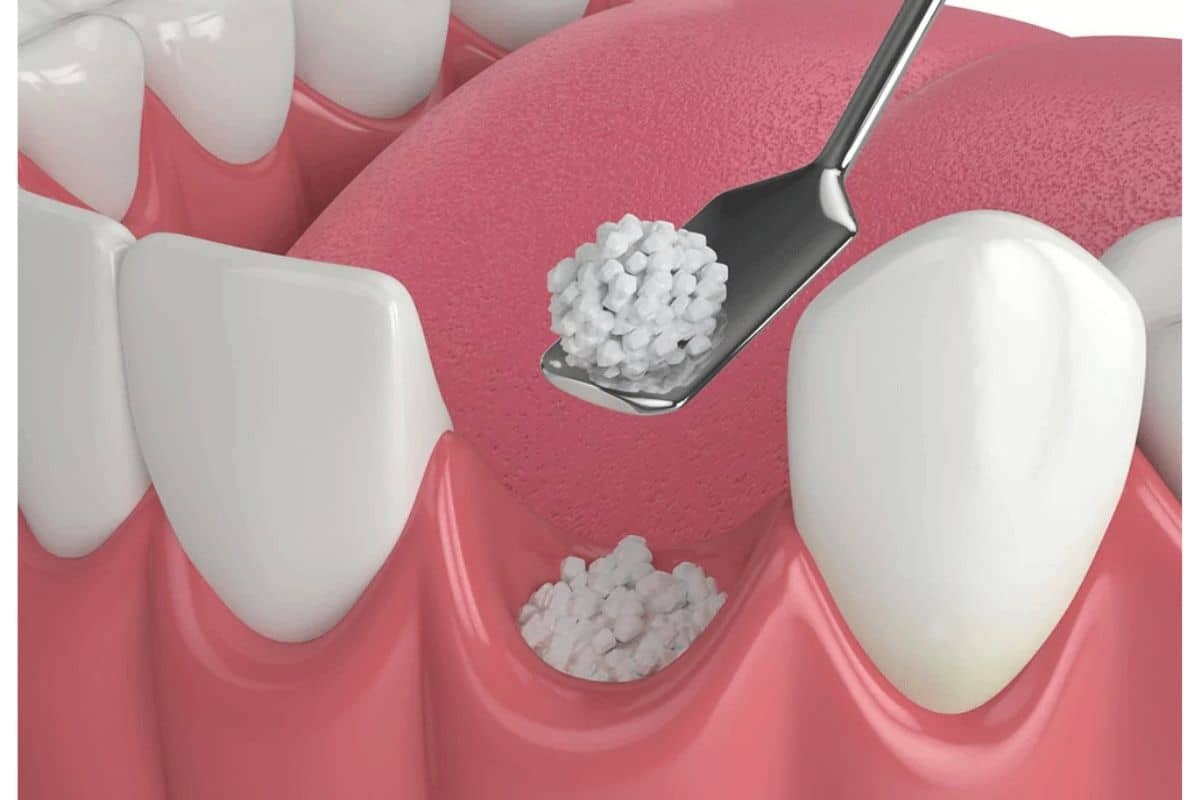
A dental bone graft is a surgical procedure that replaces or builds up bone in the jaw where it’s missing or has deteriorated. The new bone material may come from:
- Your own body (autograft)
- A donor (allograft)
- Animals, typically bovine sources (xenograft)
- Synthetic materials (alloplast)
Over time, the grafted bone integrates with your natural bone through a process called osseointegration, creating a strong foundation for dental implants.
Why Is Bone Needed for Dental Implants?
Dental implants act like artificial tooth roots and must be anchored securely in your jawbone. For them to be stable and long-lasting, you need enough bone density and volume in the implant area.
When teeth are lost due to decay, injury, or gum disease, the surrounding jawbone may begin to shrink—a process called bone resorption. Without enough healthy bone, the implant might not fuse properly, increasing the risk of failure.
Do You Always Need a Bone Graft Before Implants?
Not necessarily. Whether you need a bone graft depends on several factors, including
- How long has your tooth been missing
- Your jawbone’s current condition
- Your oral health history
- The location of the implant
- Advanced imaging results (like 3D CBCT scans)
Your dentist or oral surgeon will assess your bone density and structure using X-rays or scans. In many cases, patients have enough natural bone to support implants right away. But if bone loss has occurred, a graft may be recommended.
Common Signs You Might Need a Bone Graft
Here are a few indicators that a bone graft may be needed before placing dental implants:
- You’ve been missing teeth for a long time
- You have severe gum disease (periodontitis)
- Your jaw feels soft or has changed shape
- Previous dental scans show low bone volume
- Your implant will be placed in the upper jaw near the sinus
If you’re unsure, your dentist will walk you through the results of your scan and explain the best treatment approach.
Types of Bone Grafts Used Before Dental Implants
There are several types of bone graft procedures used in preparation for dental implants:
1. Socket Preservation (Alveolar Ridge Preservation)
Done immediately after tooth extraction to prevent bone loss in the area.
2. Ridge Augmentation
Used when significant bone loss has occurred, and the ridge needs to be rebuilt for implant support.
3. Sinus Lift (Sinus Augmentation)
Performed when upper back teeth are missing, and the sinus cavity has expanded, leaving insufficient bone height for implants.
What to Expect During a Bone Graft Procedure
The bone grafting process is typically done under local anesthesia, with sedation available if needed. The surgeon places the graft material in the targeted area, then covers it with a membrane and stitches the gum tissue closed.
The healing period can take anywhere from 3 to 6 months, depending on the graft size and your body’s healing response. After healing, your dentist will re-evaluate your jawbone to confirm it’s ready for implant placement.
Risks and Recovery
Bone grafting is generally safe and successful, especially when performed by experienced dental professionals. However, like any surgical procedure, it does carry minor risks such as:
- Swelling or discomfort at the graft site
- Minor bleeding
- Infection (rare with proper care)
To aid recovery, follow your dentist’s post-op instructions carefully. You may be prescribed antibiotics, advised to avoid hard or spicy foods, and recommended to rinse gently with salt water.
Most patients resume normal activities within a few days, though full bone healing takes several months.
How Bone Grafting Enhances Implant Success
One of the biggest benefits of bone grafting is that it increases your eligibility for dental implants and significantly improves their stability and long-term function. A solid jawbone ensures the implant fuses securely and can withstand the pressures of chewing and biting.
For patients in UA communities seeking comprehensive implant treatment, local dental providers will typically offer both bone grafting and implant placement in a coordinated treatment plan, ensuring the highest chances of success.
Cost and Insurance Coverage
Bone grafting costs can vary depending on the type of graft, materials used, and complexity of the procedure. In some cases, dental insurance may cover part of the cost, especially if the graft is considered medically necessary (e.g., due to trauma or periodontal disease).
It’s always best to check with your provider and dentist ahead of time to understand coverage options.
Should You Get a Bone Graft?
If you’ve been told you have low bone density, don’t worry—a bone graft is a common and highly effective step in preparing for dental implants. It’s a worthwhile investment in the long-term health of your smile.
By rebuilding your jawbone before implant placement, you’re ensuring a stronger, more stable foundation for your new teeth. Whether you’re replacing one tooth or several, a bone graft can be the first step toward restoring both function and confidence.
Schedule Your Consultation
If you’re considering dental implants but have concerns about bone loss, talk to your local dentist about your options. A detailed exam and scan will reveal whether you need a bone graft—and if so, what type is best for you.
With today’s advanced techniques and personalized care, even patients with significant bone loss can enjoy the benefits of dental implants. Take the first step by scheduling your consultation with a trusted dental professional near you.
