
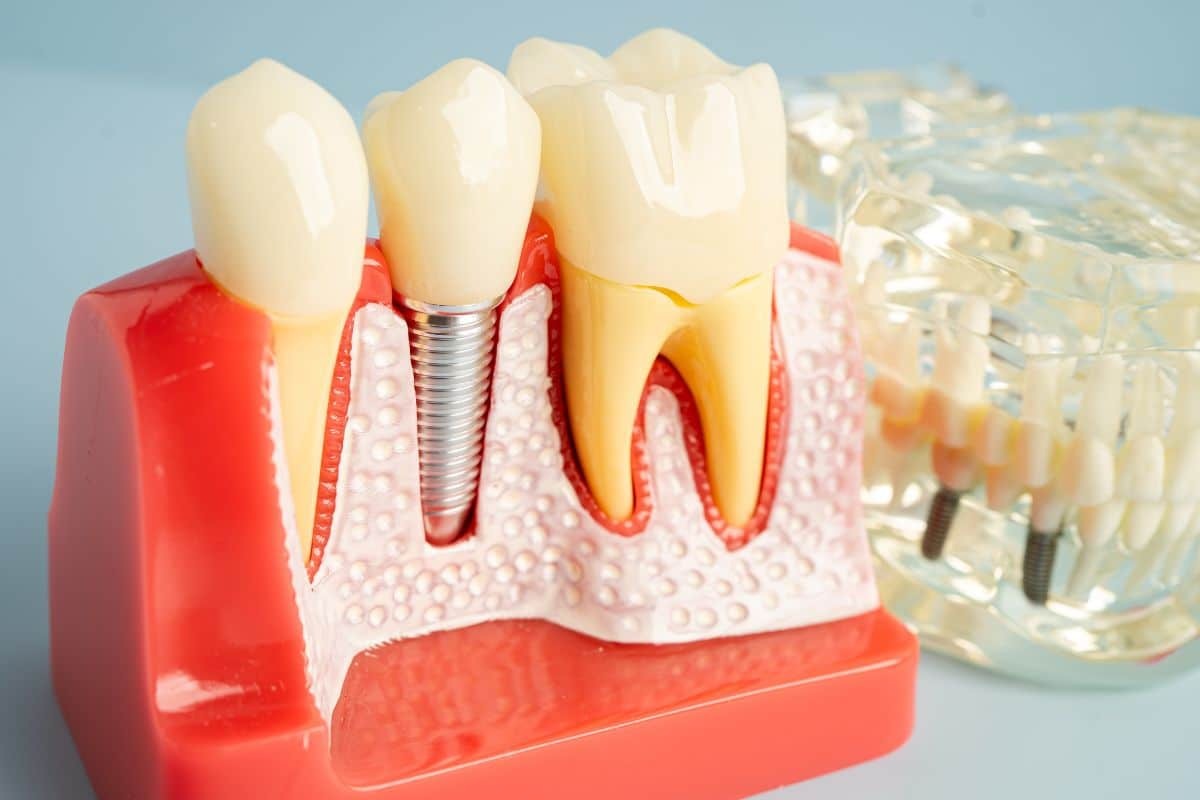
Missing teeth can affect much more than your appearance. They can change the way you chew, speak, and even place additional stress on your jaw. If you have been diagnosed with TMJ disorders or struggle with sleep bruxism, you may wonder whether replacing missing teeth is still possible. The answer is encouraging. Many patients with these conditions can successfully receive treatment after a comprehensive evaluation and proper planning.
At Dr Jason Augustine DDS, every treatment plan begins with understanding your oral health, bite function, and jaw condition before recommending the most appropriate solution. If you are considering dental implants in Phoenix, learning how jaw disorders and nighttime grinding influence treatment can help you make an informed decision with confidence.
Understanding the Connection Between TMJ Disorders, Sleep Bruxism, and Missing Teeth
The jaw joints, surrounding muscles, teeth, and bite all work together every day. When one part of this system is affected, the others often experience additional strain.
TMJ disorders involve problems affecting the temporomandibular joints and the muscles responsible for jaw movement. Common symptoms include:
- Jaw pain or tenderness
- Clicking or popping sounds
- Difficulty opening the mouth comfortably
- Facial muscle fatigue
- Frequent headaches associated with jaw tension
At the same time, sleep bruxism is an involuntary habit of clenching or grinding the teeth during sleep. Many people are unaware they have this condition until a family member notices the sounds or a dental examination reveals excessive tooth wear.
Missing teeth may further change the way biting forces are distributed throughout the mouth. As neighboring teeth shift and chewing patterns change, additional stress may be transferred to the jaw joints and supporting muscles. Understanding these relationships allows a provider to develop a treatment plan that protects both oral function and long-term stability.
Are You Still a Candidate for Dental Implants with TMJ Disorders or Sleep Bruxism?
One of the biggest misconceptions is that TMJ disorders automatically prevent implant treatment. Fortunately, this is rarely the case.
Many patients with jaw discomfort or nighttime grinding remain suitable candidates after a detailed clinical evaluation. The decision depends on several important factors rather than a single diagnosis.
Your provider may evaluate:
- Jawbone volume and density
- Gum health
- Bite alignment
- Overall oral hygiene
- Signs of excessive tooth wear
- Severity of sleep bruxism
- Current jaw function
- Medical history and healing capacity
Every patient presents a unique combination of factors. Instead of focusing only on the missing tooth, a complete examination considers how the bite functions as a whole. This comprehensive approach helps reduce unnecessary stress on future restorations while improving long-term outcomes.
Why a Comprehensive Bite Analysis Matters Before Implant Treatment
A thorough bite analysis helps identify forces that may affect long-term success. Even small imbalances can create uneven pressure during chewing or clenching.
Your evaluation may include:
- Digital radiographs
- Three-dimensional CBCT imaging
- Bite analysis
- Jaw movement assessment
- Examination of worn teeth
- Muscle tenderness evaluation
- Review of grinding habits
This detailed assessment allows your provider to determine whether additional treatment should be completed before replacing missing teeth.
Patients searching for dental implants in Phoenix often benefit from this comprehensive approach because it helps identify hidden concerns that could otherwise affect long-term function.
Does Every Patient with TMJ Disorders Need Treatment Before Implant Placement?
The severity of TMJ disorders varies from person to person. Some individuals experience only occasional clicking without discomfort, while others have persistent pain or restricted jaw movement.
If symptoms are mild and stable, treatment may proceed without significant delays. However, when jaw inflammation, muscle tension, or bite instability is present, improving those conditions first may create a healthier foundation for long-term success.
Depending on your examination, recommendations may include:
- Bite stabilization
- Management of muscle tension
- Monitoring jaw function
- Conservative therapy for joint discomfort
- Temporary oral appliances when appropriate
Addressing these concerns first often improves comfort during recovery and helps distribute biting forces more evenly after treatment.
How Sleep Bruxism Can Affect Long-Term Implant Success
Many patients worry that sleep bruxism automatically leads to treatment failure. Fortunately, that assumption is not supported by current clinical understanding.
The implant itself is designed to integrate with the jawbone. However, excessive clenching and grinding may place increased pressure on the restoration attached to it. Over time, uncontrolled bite forces can contribute to mechanical complications if left unmanaged.
This is why careful planning is essential.
Providers commonly recommend several protective measures, including:
- Custom night guards
- Regular bite evaluations
- Periodic adjustments when necessary
- Monitoring chewing patterns
- Routine maintenance visits
These preventive strategies help reduce excessive stress while protecting the restoration from unnecessary wear.
Around this stage of treatment planning, Dr. Augustine carefully evaluates how your bite functions before recommending dental implants for long-term tooth replacement. Patients seeking dental implants in phoenix often benefit from customized bite protection when nighttime grinding is identified during the examination.
Why Individualized Treatment Planning Leads to Better Outcomes
Replacing missing teeth involves much more than restoring appearance. Every step should support healthy jaw function, balanced chewing forces, and long-term comfort.
Patients with TMJ disorders or sleep bruxism often require additional planning to minimize unnecessary pressure after treatment is complete. Factors such as bone support, bite relationship, muscle activity, and oral habits all influence clinical decisions.
Rather than following a one-size-fits-all approach, Dr Jason Augustine DDS evaluates these details carefully before recommending dental implants. This comprehensive planning helps improve function, supports long-term stability, and allows patients to move forward with greater confidence.
When Should You Schedule an Implant Consultation?
Living with missing teeth does not mean you have to accept ongoing discomfort or uncertainty. If you notice jaw pain while chewing, frequent morning headaches, worn teeth, or changes in your bite, these symptoms deserve a professional evaluation. They do not necessarily mean treatment is off the table, but they do indicate that your oral health should be assessed before moving forward.
An implant consultation is particularly valuable if you:
- Have one or more missing teeth
- Have been diagnosed with TMJ disorders
- Wake up with jaw soreness or facial muscle fatigue
- Have signs of sleep bruxism
- Want a long-term tooth replacement solution
- Have been told you grind or clench your teeth at night
A comprehensive evaluation allows your provider to identify any underlying concerns, explain your treatment options, and develop a plan that supports both function and long-term oral health. If you have delayed treatment because of concerns about your jaw condition, now is the time to visit our dental office and learn what is possible.
TMJ or Bruxism Should Not Prevent You from Restoring Your Smile
Having TMJ disorders or sleep bruxism does not automatically eliminate your options for replacing missing teeth. With careful diagnosis, detailed bite analysis, proper planning, and ongoing maintenance, many patients achieve predictable, lasting results. The key is understanding your oral health before treatment begins and taking the necessary steps to protect your smile for years to come.
At Dr Jason Augustine DDS, patients receive comprehensive evaluations designed to identify the factors that matter most for long-term success. If you are exploring dental implants in phoenix, our team proudly welcomes patients from Phoenix and surrounding communities. Book an appointment today to learn whether this treatment is right for you and begin your journey toward a healthier, stronger smile.
Frequently Asked Questions
1. Can I receive implant treatment if I grind my teeth every night?
Yes. Many patients who grind their teeth are still candidates after a complete evaluation. Your provider may recommend a custom night guard and regular follow-up visits to help protect your restoration and maintain a balanced bite over time.
2. Will jaw pain affect my eligibility for treatment?
Not necessarily. Jaw discomfort can have several causes, and a thorough examination helps determine whether the condition should be managed before treatment begins. Many patients can safely proceed after appropriate planning.
3. How can I protect my implant if I clench while sleeping?
Protective measures such as a custom night guard, routine maintenance visits, bite evaluations, and healthy oral hygiene habits help reduce excessive pressure and support long-term stability.
4. What happens during an implant consultation?
Your provider will review your medical and dental history, evaluate your gums, examine your bite, assess jaw function, and take diagnostic images when needed. This information helps determine the safest and most predictable treatment approach.
5. Can missing teeth make jaw problems worse?
Yes, missing teeth may alter your bite and chewing patterns, causing additional stress on the jaw muscles and joints. Replacing missing teeth after a proper evaluation can help improve overall oral function.
6. Why is long-term follow-up important after treatment?
Regular follow-up appointments allow your provider to monitor healing, evaluate your bite, examine surrounding tissues, and identify minor concerns before they become more significant. Ongoing care plays an important role in maintaining lasting oral health and protecting your investment.
