
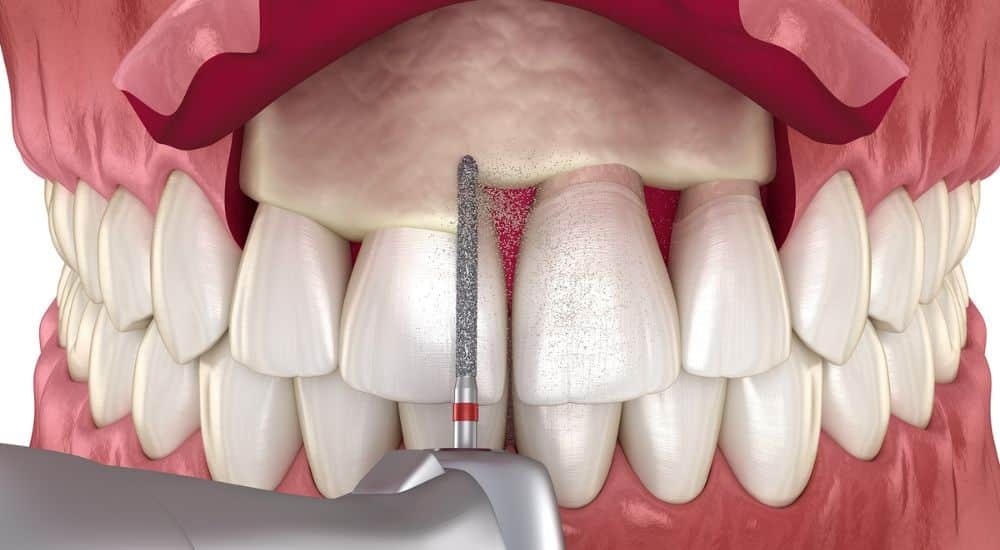
Surgical crown lengthening is a key procedure in both restorative and cosmetic dentistry. Whether it’s enhancing the appearance of a “gummy” smile or preparing a tooth for a crown, understanding the concepts and considerations behind surgical crown lengthening is crucial for patients and dental professionals alike. This blog will delve into the essential aspects of this procedure, from its purpose to the factors influencing its success.
What is Surgical Crown Lengthening?
Surgical crown lengthening is a dental procedure that involves the removal of gum tissue, bone, or both to expose more of a tooth’s structure. This procedure is typically performed by a periodontist and can be necessary for various restorative or aesthetic reasons. By adjusting the gum line, crown lengthening provides better access to a tooth for future restorations or enhances the overall appearance of a smile.
Indications for Surgical Crown Lengthening
- Restorative Needs:
- Crown lengthening is often required when a tooth doesn’t have enough visible structure above the gum line to support a restoration, such as a crown or filling. This situation can arise from decay, fractures, or wear that extends below the gum line.
- Cosmetic Enhancements:
- In cases of a “gummy smile,” where excess gum tissue covers a significant portion of the teeth, crown lengthening can be performed to reveal more of the tooth’s surface, creating a more balanced and aesthetically pleasing smile.
- Improving Oral Health:
- Crown lengthening can also make it easier to maintain good oral hygiene by reducing deep gum pockets, which can harbor bacteria and lead to periodontal disease.
The Crown Lengthening Procedure
Crown lengthening is typically performed under local anesthesia, and the procedure can vary depending on the complexity of the case. Here’s an overview of the process:
- Preoperative Evaluation:
- Before the procedure, a comprehensive examination is conducted, including X-rays, to assess the tooth’s structure and the surrounding bone. This evaluation helps in planning the extent of tissue removal required.
- Tissue Removal:
- During the procedure, the gum tissue around the targeted tooth is carefully incised and pulled back to expose the tooth and underlying bone. In cases where bone removal is necessary, the periodontist will reshape the bone to expose more of the tooth structure.
- Suturing:
- Once the desired amount of the tooth is exposed, the gum tissue is sutured back into place. The periodontist will ensure that the gums are contoured properly to support healing and achieve the desired aesthetic outcome.
- Post-Operative Care:
- After the surgery, patients are given specific instructions for care, which may include dietary restrictions, pain management, and guidelines for maintaining oral hygiene around the surgical site.
- Healing and Follow-Up:
- The healing process typically takes several weeks, during which the gums will gradually adjust to their new position. Follow-up visits are essential to monitor healing and remove sutures if necessary.
Considerations for Surgical Crown Lengthening
- Bone and Tooth Structure:
- The amount of bone and tooth structure that needs to be exposed is a critical consideration. Removing too much bone can weaken the tooth’s foundation, while removing too little may not provide the necessary space for a restoration.
- Gum Health:
- The health of the surrounding gum tissue is vital for the success of the procedure. Inflammation or infection in the gums must be addressed before crown lengthening can be performed.
- Aesthetic Outcomes:
- Achieving a balanced and natural-looking gum line is a key consideration, especially in the front of the mouth. The periodontist must carefully plan the procedure to ensure that the final result enhances the patient’s smile.
- Healing Time:
- Patience is important, as the gums need time to heal fully before a permanent crown or other restoration can be placed. Rushing this process can lead to complications or an unsatisfactory outcome.
- Patient Comfort and Compliance:
- Managing discomfort during recovery and ensuring the patient follows post-operative instructions are critical for successful healing. Patients should be well-informed about what to expect and how to care for their gums after the procedure.
Risks and Complications
As with any surgical procedure, crown lengthening carries some risks, including:
- Infection:
- There is a potential risk of infection at the surgical site. Proper post-operative care and oral hygiene are crucial to minimize this risk.
- Tooth Sensitivity:
- Exposing more of the tooth’s structure can lead to increased sensitivity, particularly to hot or cold temperatures.
- Gum Recession:
- Over time, the gums may continue to recede after crown lengthening, potentially exposing more of the tooth root and requiring further treatment.
Conclusion
Surgical crown lengthening is a versatile and valuable procedure in modern dentistry, offering solutions for both functional and aesthetic dental concerns. Understanding the concepts and considerations involved in this procedure can help patients make informed decisions and enable dental professionals to achieve the best possible outcomes.
If you’re considering crown lengthening, consult a periodontist to discuss your specific needs, expectations, and the best approach. With careful planning and expert care, surgical crown lengthening can provide long-lasting benefits for your oral health and smile.
