
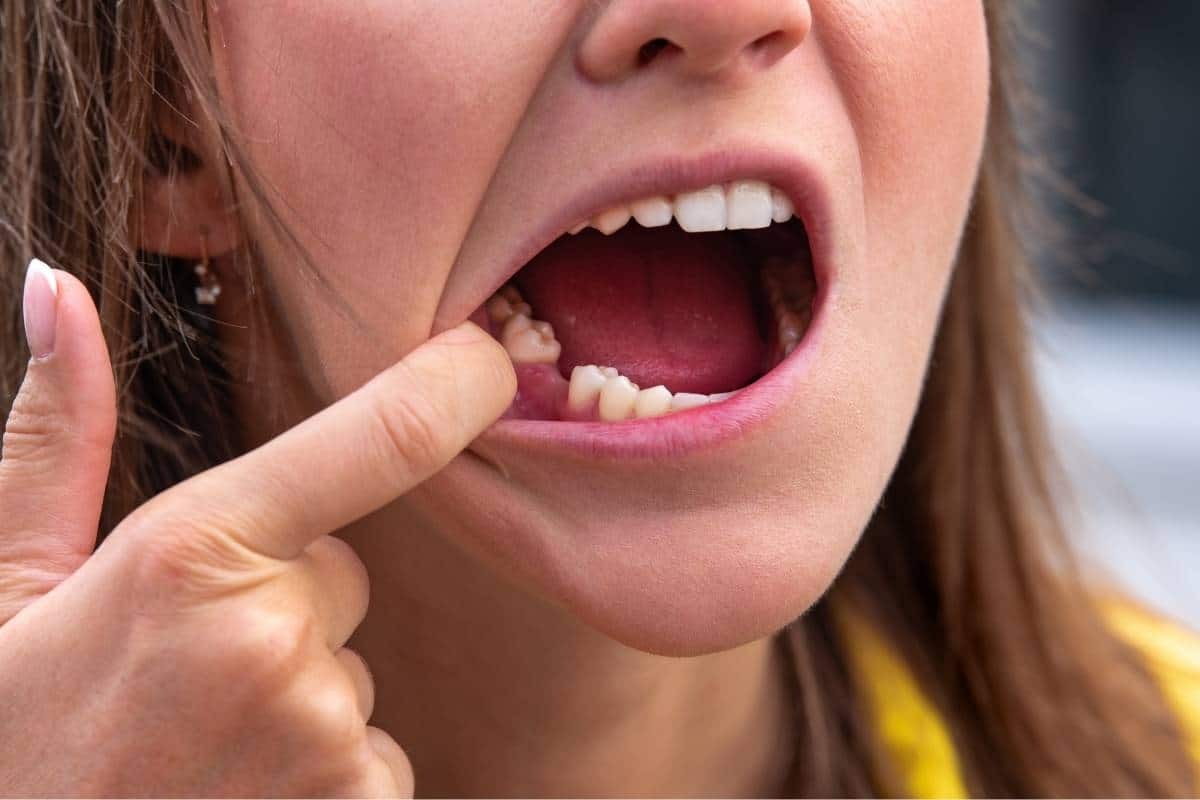
Losing a tooth is more than just a cosmetic concern. Beyond the gap it leaves in your smile, tooth extraction can trigger gradual bone loss in your jaw. Dental experts emphasize that preserving bone health after an extraction is crucial for maintaining oral function, facial structure, and the success of future dental treatments like implants.
Why Bone Loss Happens After Tooth Extraction
Your teeth play an essential role in stimulating the jawbone. When you chew, the forces transmitted through your teeth signal the bone to maintain its density and strength. Once a tooth is removed, this stimulation ceases, causing the bone to resorb over time. This can lead to:
- A sunken appearance around the cheeks or lips
- Shifting of adjacent teeth
- Difficulty fitting dentures
- Challenges in placing dental implants
Expert Tips to Prevent Bone Loss
1. Consider a Dental Implant Soon After Extraction
Dental implants are the gold standard for preserving jawbone health. An implant acts as an artificial tooth root, providing the same stimulation to the jawbone as a natural tooth. Experts often recommend placing the implant immediately or within a few months after tooth extraction to minimize bone loss.
2. Bone Grafting May Be Necessary
In cases where immediate implant placement isn’t possible, bone grafting can help preserve the jaw’s structure. Bone grafts provide a scaffold that encourages your natural bone to grow and maintain volume, making future implants or other restorative options more successful.
3. Maintain Good Oral Hygiene
After tooth extraction, keeping the area clean is essential. Gentle brushing, rinsing with a dentist-recommended antiseptic mouthwash, and avoiding tobacco products reduce the risk of infection, which can worsen bone resorption.
4. Eat a Balanced Diet Rich in Nutrients
Bone health depends on proper nutrition. Ensure your diet includes:
- Calcium and vitamin D for strong bone structure
- Protein for tissue repair
- Vitamin C to promote healing and reduce inflammation
5. Follow Your Dentist’s Post-Extraction Instructions
After any extraction, your dentist will provide instructions for care, including medication, rinsing schedules, and activity restrictions. Adhering strictly to these guidelines helps prevent complications and promotes faster healing.
When to Seek Professional Advice
If you notice persistent pain, swelling, or changes in your jaw structure after a tooth extraction, it’s important to contact your dentist immediately. Early intervention can prevent long-term bone loss and maintain your oral health.
At 4025 W. Bell Road Suite #4, Phoenix, AZ 85053, our dental team specializes in advanced tooth replacement solutions, including dental implants and bone grafting procedures. We provide personalized care plans to ensure your jawbone remains strong and healthy after extractions.
Take Action Today
Don’t let bone loss compromise your smile or oral health. Schedule a consultation with our dental experts to discuss preventive measures and restorative options tailored to your needs. Your future smile starts with the care you provide today!
FAQs
Q1: How soon should I get a dental implant after a tooth extraction?
A: Ideally, a dental implant should be placed immediately or within 2–3 months after extraction to prevent bone loss. Your dentist will evaluate your jaw and determine the best timing.
Q2: Can bone grafting prevent all bone loss after an extraction?
A: Bone grafting significantly reduces bone loss but may not completely stop it. It provides a scaffold for new bone growth, supporting future dental procedures.
Q3: Are there lifestyle changes that help preserve jawbone health?
A: Yes! Maintaining good oral hygiene, avoiding smoking, and consuming a nutrient-rich diet support bone health and reduce the risk of bone loss after tooth extraction.
