
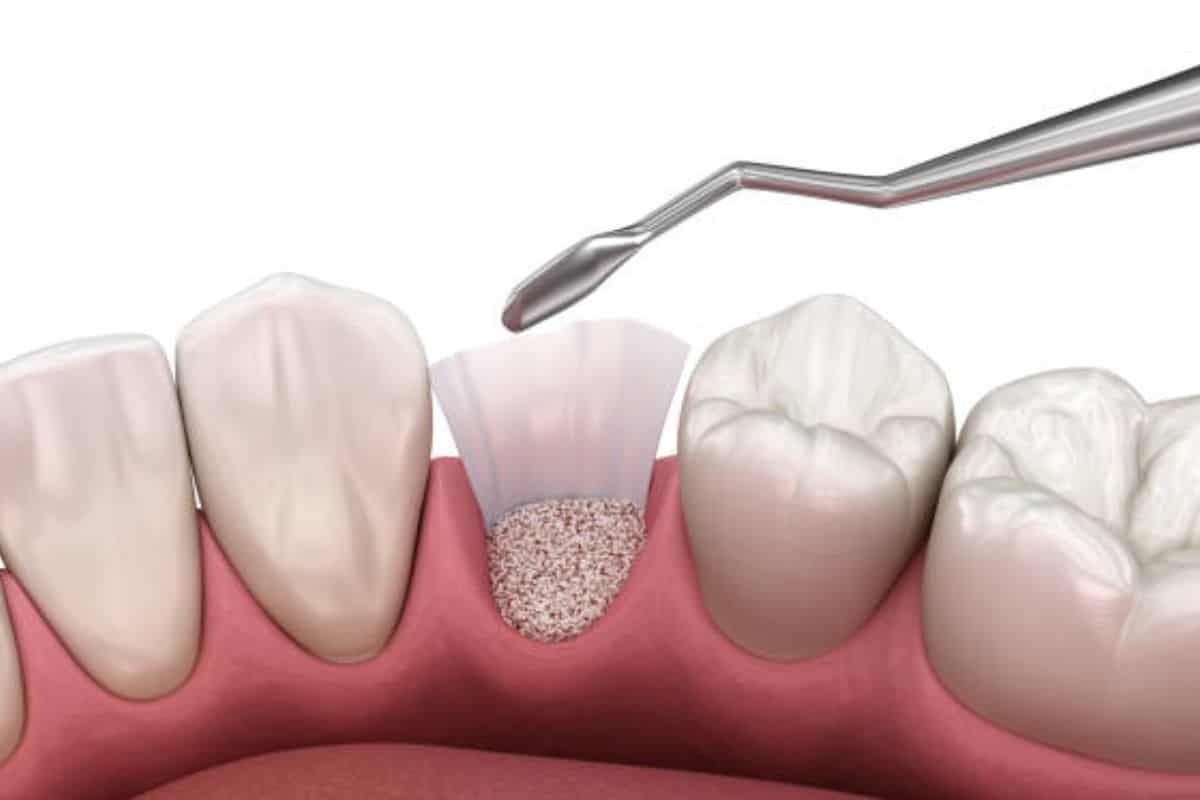
Bone grafting is a common dental and oral surgical procedure used to restore or regenerate bone in the jaw. It is often recommended before dental implants, after tooth loss, or when bone density has weakened due to gum disease or trauma. While many patients understand the procedure itself, questions often arise about the recovery process. Knowing what to expect after surgery helps reduce anxiety and ensures a smoother healing journey.
Why Bone Grafting Is Needed
Bone grafting supports long-term oral health by rebuilding areas of the jaw where bone is missing or insufficient. It creates a strong foundation for dental implants and helps maintain facial structure. Without enough bone, teeth may shift, dentures may not fit properly, and implants cannot be placed securely. For patients considering bone grafting in Phoenix, understanding the recovery process is an important step toward planning treatment.
The Immediate Recovery Period
Immediately after the procedure, patients can expect some swelling, mild discomfort, and possibly bruising around the surgical site. These are normal responses as the body begins to heal. Dentists typically prescribe pain relievers and antibiotics to manage discomfort and prevent infection.
Key recommendations in the first 24–48 hours include:
- Applying ice packs to reduce swelling
- Keeping the head elevated while resting
- Avoiding strenuous activity
- Following all medication instructions carefully
Most patients notice swelling peaks within 48 hours, and then it gradually subsides.
Diet During Healing
Food choices play a significant role in recovery. Patients should stick to soft foods and avoid chewing near the surgical site. Smoothies, yogurt, scrambled eggs, mashed potatoes, and soups are ideal during the first few days.
As healing progresses, patients can reintroduce solid foods, but hard, crunchy, or spicy foods should be avoided until cleared by the dentist. Proper nutrition supports faster bone regeneration and overall healing.
Oral Care After Bone Grafting
Maintaining oral hygiene is essential but requires care around the graft site. Patients are often advised to:
- Brush teeth gently, avoiding the surgical area
- Use antimicrobial mouth rinses as prescribed
- Avoid commercial mouthwashes that may contain alcohol, as they can irritate the tissue
Good oral hygiene reduces the risk of infection and supports gum tissue healing around the graft.
Healing Timeline
Recovery time varies depending on the type and size of the bone graft, overall health, and whether additional procedures (like tooth extractions or sinus lifts) were performed.
- First Week: Initial discomfort, swelling, and mild bleeding diminish. Patients can usually return to work within 2–3 days if recovery is smooth.
- Weeks 2–4: Soft tissues begin to heal, and patients gradually feel more comfortable. Stitches, if used, may be removed during this time.
- 3–6 Months: The grafted bone integrates with the existing jawbone in a process called osseointegration. This stage is critical if the graft was placed in preparation for dental implants.
Patience is important, as bone regeneration takes time, but the results create a solid foundation for future dental treatments.
Possible Risks and Complications
While bone grafting is considered safe, complications can occur, especially if postoperative instructions aren’t followed. Risks include:
- Infection at the graft site
- Gum recession or poor wound healing
- Graft failure or rejection (rare)
- Nerve irritation in certain cases
Choosing an experienced dentist or oral surgeon greatly reduces these risks. Patients should also attend follow-up appointments to ensure proper healing.
Tips for a Smooth Recovery
- Follow Instructions: Adhering to all post-op care guidelines is the most effective way to recover quickly.
- Avoid Smoking: Tobacco use significantly slows healing and increases the risk of graft failure.
- Stay Hydrated: Drinking plenty of water aids healing and keeps tissues healthy.
- Attend Check-Ups: Regular visits allow the dentist to track bone integration and identify issues early.
Patients undergoing bone grafting benefit from advanced techniques and personalized care designed to make recovery as smooth and comfortable as possible.
Dental Implants After Bone Grafting
One of the most common reasons for bone grafting is to prepare for dental implants. Once the graft has fully healed and integrated, implants can be placed with higher success rates. This step restores not just function but also the confidence of a complete, healthy smile.
Patients should remember that bone grafting is an investment in long-term oral health. The recovery process, while sometimes lengthy, ensures a strong and stable foundation for future treatments.
Bone grafting recovery is a step-by-step process that requires patience, proper care, and adherence to dental instructions. From managing initial swelling and discomfort to maintaining a soft-food diet and practicing gentle oral hygiene, each stage plays an important role in overall healing. Although the timeline can range from a few months to half a year, the results are worth the wait—especially for patients preparing for dental implants or looking to restore jaw strength and stability.
Schedule your appointment today and visit us at 4025 W Bell Rd, Suite #4, Phoenix, AZ 85053. Our experienced team is here to guide you through every step of your bone grafting recovery, helping you achieve a smooth healing process and optimal results.
