
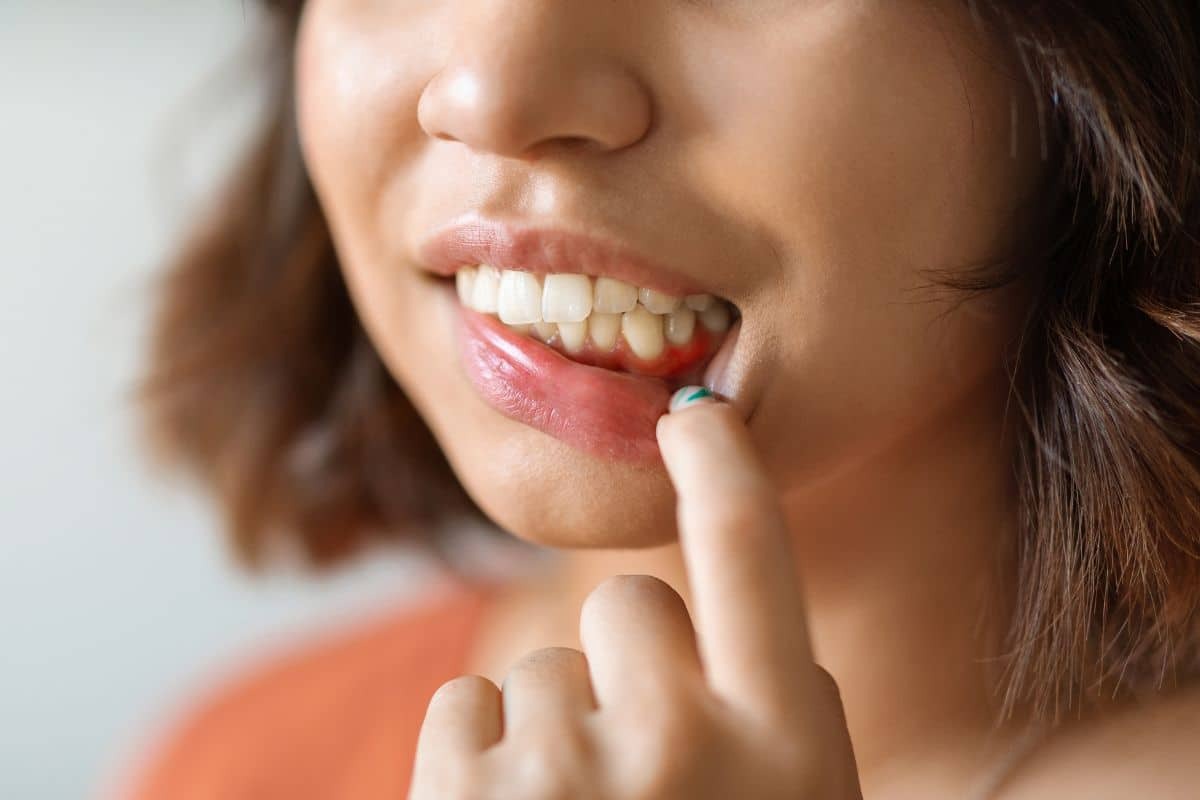
Bleeding gums, persistent bad breath, gum recession, and loose teeth can all raise the same concern: Can gum disease be reversed? The answer depends largely on how far the condition has progressed. Early gum inflammation, known as gingivitis, can often be reversed. Once gum disease progresses to periodontitis and damages the tissues and bone supporting the teeth, the situation becomes more complex.
Treatment can control the infection, reduce inflammation, protect remaining support, and, in selected cases, rebuild some lost tissue or bone. However, treatment cannot simply return every mouth to the condition it was in before periodontitis developed.
At Dr Jason Augustine DDS, Dr. Jason Augustine has been practicing periodontics and implant dentistry in Phoenix since 2000 and provides nonsurgical, laser-assisted, and surgical approaches to periodontal disease.
Can Gum Disease Actually Be Reversed?
Gingivitis can usually be reversed, while periodontitis generally needs to be controlled and managed rather than simply “reversed.”
Gingivitis is the earliest stage of gum disease. At this point, plaque bacteria have caused inflammation, but there has not yet been destruction of the bone and connective tissues supporting the teeth. Removing plaque and tartar, improving daily oral hygiene, and receiving appropriate professional care can allow inflamed gums to return to health.
Periodontitis is different. Once inflammation has caused periodontal pockets, attachment loss, or destruction of supporting bone, brushing and flossing alone cannot rebuild those structures. Professional periodontal therapy is necessary to control the disease and help prevent further damage.
That distinction is why early diagnosis matters.
Gingivitis vs. Periodontitis: Why the Stage Matters
Patients sometimes use “gum disease” as one general term, but the stage of disease determines what treatment can realistically accomplish.
Gingivitis
Common signs may include:
- Red or swollen gums
- Bleeding while brushing or flossing
- Gum tenderness
- Persistent bad breath
At this stage, the supporting bone has not been lost. With professional cleaning and consistent home care, gingivitis can often be reversed.
Periodontitis
When inflammation extends below the gumline, the gums can pull away from the teeth and form periodontal pockets. Bacteria and tartar can collect inside these spaces, where normal brushing cannot adequately reach.
Over time, the disease can damage the periodontal ligament and supporting bone. Patients may notice gum recession, tooth sensitivity, shifting teeth, changes in their bite, or loose teeth.
This damage changes the objective of treatment from simply reversing inflammation to controlling infection, stabilizing the teeth, and preserving as much natural support as possible.
How Do We Determine Whether Gum Damage Can Be Repaired?
Before recommending gum disease treatment in Phoenix, we need to understand the extent and pattern of periodontal damage.
A periodontal evaluation may include measuring the pockets around the teeth, checking for bleeding and inflammation, examining recession and tooth mobility, reviewing medical and dental history, and using diagnostic imaging to assess bone levels.
Healthy periodontal pockets are generally about 1 to 3 millimeters deep. Deeper measurements can indicate periodontal disease, although pocket depth is only one part of the diagnosis. X-rays can help identify bone loss that cannot be evaluated simply by looking at the gums.
These findings help determine whether nonsurgical treatment may be sufficient or whether laser-assisted, regenerative, or surgical care should be considered.
What Can Gum Disease Treatment Repair?
Periodontal treatment can accomplish several important things, even when the disease has progressed beyond gingivitis.
Reduce Inflammation and Control Infection
A central goal of periodontal therapy is controlling the bacterial infection and inflammatory process. Removing bacterial deposits from above and below the gumline creates an environment where the tissues can begin to heal.
Patients may notice less bleeding, swelling, tenderness, and bad breath as periodontal health improves.
Reduce Periodontal Pocket Depth
As inflammation resolves after treatment, gum tissue may tighten around the teeth and some periodontal pockets may become shallower.
Reducing pocket depth is important because deeper spaces can be difficult to keep clean and can harbor bacteria that contribute to continued periodontal destruction.
Regenerate Some Lost Bone and Tissue
Periodontal bone loss does not automatically mean that nothing can be restored.
In selected cases, regenerative periodontal procedures may encourage the body to rebuild some bone and supporting tissue. Bone grafts, membranes, or tissue-stimulating materials may be used depending on the type and location of the defect.
Not every bone defect is suitable for regeneration, however. The amount of improvement depends on factors such as the shape of the defect, remaining support, disease severity, smoking status, general health, and oral hygiene.
Address Gum Recession in Appropriate Cases
Periodontal disease can contribute to gum recession and exposed tooth roots. Gum grafting may be used in appropriate cases to cover exposed roots, increase gum tissue in vulnerable areas, and help limit additional recession.
What Can’t Periodontal Treatment Completely Repair?
Understanding the limitations of therapy is equally important.
Lost Bone Does Not Always Grow Back Completely
Although regenerative procedures can restore some periodontal structures in selected situations, treatment cannot guarantee complete replacement of all bone destroyed by advanced disease.
Gum Recession May Not Correct Itself
Once gum tissue has receded, controlling the infection does not necessarily cause the gumline to return to its previous position. Gum grafting or another periodontal procedure may be needed when root coverage is appropriate.
Severely Compromised Teeth Cannot Always Be Saved
The goal is to preserve natural teeth whenever they have a reasonable long-term prognosis. However, a tooth with extensive bone loss, severe mobility, fracture, or another major structural problem may not be predictable to maintain.
In those situations, extraction may need to be discussed as part of a broader treatment plan.
Which Treatments Can Help Control Periodontitis?
The right approach depends on disease severity, pocket depth, bone loss, and how the tissues respond to initial therapy. At our Phoenix periodontal practice, available approaches include scaling and root planing, periodontal maintenance, LANAP® laser treatment, osseous surgery, bone grafting, and gingival grafting.
Scaling and Root Planing
Scaling and root planing is a nonsurgical deep-cleaning procedure. Scaling removes plaque, tartar, and bacterial deposits from beneath the gumline, while root planing cleans and smooths root surfaces.
Many patients respond well to this initial therapy, although ongoing periodontal maintenance is commonly needed to preserve the results.
LANAP® Laser Treatment
Our practice also offers LANAP® laser treatment as one approach to managing periodontal disease. Treatment recommendations are based on the individual periodontal condition rather than assuming one technique is appropriate for every patient.
Osseous Surgery
When deep periodontal pockets remain and cannot be adequately managed with nonsurgical care, periodontal surgery may be considered. Pocket procedures allow access to remove disease-causing deposits and may include reshaping irregular damaged bone so gum tissue can adapt more closely around the teeth.
Bone and Gum Grafting
For suitable defects, regenerative procedures may help rebuild some lost support. Gum grafting may also help manage exposed roots and areas with inadequate gum tissue.
The objective of gum disease treatment in Phoenix is therefore broader than making bleeding stop. We aim to control disease, preserve teeth when possible, improve maintainability, and establish a healthier foundation for long-term periodontal care.
Why Periodontal Maintenance Matters After Treatment
One of the biggest misconceptions about periodontitis is that treatment ends once the initial procedure is complete.
Periodontitis requires long-term management. Even after inflammation is controlled, a patient who has experienced periodontal disease remains susceptible to recurrence. Plaque can begin accumulating again, and tartar cannot be removed with a toothbrush or floss once it has hardened.
Periodontal maintenance allows us to monitor pocket depths, bleeding, gum recession, tooth stability, and other changes over time. Professional cleaning also removes deposits from areas that may be difficult to maintain at home.
Your home routine remains essential. Brush twice daily, clean between the teeth regularly, and follow the hygiene recommendations provided for your individual periodontal condition.
When Should You See a Periodontist?
Gum disease can progress without severe pain, so waiting until a tooth becomes loose can allow significant damage to occur.
Consider a periodontal evaluation if you notice:
- Bleeding during brushing or flossing
- Red, swollen, or tender gums
- Persistent bad breath
- Gum recession
- Teeth that appear longer
- Pus around the gumline
- Loose or shifting teeth
- A change in your bite
A periodontist focuses on the prevention, diagnosis, and treatment of diseases affecting the gums and supporting structures of the teeth.
If these symptoms are affecting you, an evaluation can determine whether you have reversible gingivitis or periodontitis requiring professional care.
Early Periodontal Care Can Help Protect Your Natural Teeth
So, can gum disease be reversed? Gingivitis often can. Periodontitis cannot simply be erased, but it can often be treated and controlled. In selected cases, periodontal procedures may also regenerate some lost bone or tissue. The sooner disease is identified, the more opportunity there is to protect the structures that remain.
At Dr Jason Augustine DDS, we provide gum disease treatment in Phoenix ranging from nonsurgical therapy to laser-assisted and surgical periodontal procedures. Our goal is to identify the extent of disease, explain what can realistically be improved, and recommend care based on your periodontal needs.
If your gums bleed, recede, swell, or simply do not feel healthy, do not wait for the condition to become painful. Schedule a consultation or visit our Phoenix dental office to learn which periodontal treatment may help protect your gums, bone, and natural teeth.
Frequently Asked Questions
1. Can early gum disease go away completely?
Yes. Gingivitis caused by plaque buildup can often be reversed with professional cleaning, consistent brushing, daily interdental cleaning, and improved oral hygiene. Early treatment is important because gingivitis can progress into periodontitis if inflammation continues untreated.
2. Can gums grow back after gum disease?
Receded gum tissue generally does not simply grow back after periodontal disease is controlled. Depending on the location and severity of recession, a periodontist may recommend gum grafting to cover exposed roots and reinforce vulnerable tissue.
3. Can bone loss from gum disease be reversed?
Some periodontal bone defects may respond to regenerative procedures using bone grafts, membranes, or tissue-stimulating materials. Complete regeneration is not always possible. Results depend on defect anatomy, disease severity, general health, oral hygiene, and other factors.
4. How long does it take to treat gum disease?
Treatment time varies according to disease severity and the therapy required. Gingivitis may improve relatively quickly after professional care and better hygiene, while periodontitis may require staged treatment, healing assessments, and continuing periodontal maintenance appointments afterward.
5. Will deep cleaning cure periodontal disease?
Scaling and root planing can remove bacterial deposits below the gums and help control periodontitis, but it does not permanently eliminate susceptibility. Some patients need additional treatment, and ongoing periodontal maintenance is important for reducing recurrence.
6. What happens if periodontal disease is left untreated?
Untreated periodontitis can progressively destroy gum tissue and the bone supporting teeth. Periodontal pockets may deepen, teeth can shift or loosen, and advanced disease may eventually result in tooth loss or the need for extraction.
7. How often do I need periodontal maintenance after treatment?
Maintenance frequency depends on your periodontal condition, disease history, home care, and risk factors. Your periodontist will recommend an appropriate schedule after treatment to monitor pocket depths, control bacterial buildup, and help maintain periodontal stability.
