
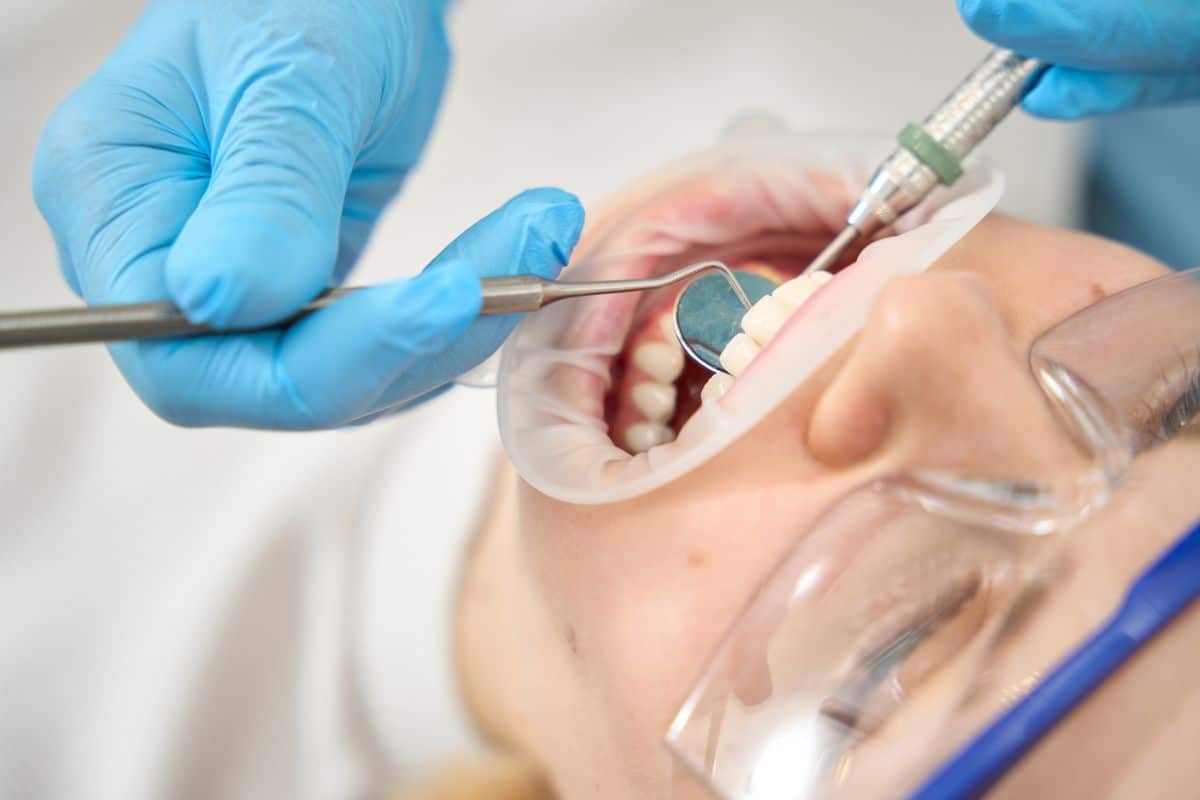
When you visit your dentist for a routine checkup, you expect a standard cleaning, a quick polish, and floss that leaves your teeth feeling fresh. However, if your dental team measures deep pockets around your teeth or notices chronic gum swelling, a traditional cleaning is no longer sufficient. In these cases, a therapeutic procedure known as scaling and root planing (often referred to as a “deep cleaning”) is recommended to restore your oral health.
Patients frequently inquire about how often this procedure should be performed. Is it a one-time treatment, an annual requirement, or something to repeat every few years?
At Dr Jason Augustine DDS, our trusted dentist, Dr. Jason Augustine, provides scaling and root planing in Phoenix, personalized to your unique oral health profile. From evaluating gum depths to offering targeted therapeutic care, our practice ensures your gums remain strong and healthy over the long term.
Understanding Scaling and Root Planing: How It Differs From Standard Cleanings
To understand how often it is needed, it helps to distinguish it from a standard prophylaxis (routine cleaning).
Standard Cleaning (Prophylaxis)
- Target Area: Above the gumline (supragingival).
- Purpose: Preventive care for healthy gums or mild surface plaque accumulation.
- Frequency: Typically every six months.
Scaling and Root Planing (Deep Cleaning)
- Target Area: Below the gumline (subgingival) down into periodontal pockets.
- Purpose: Active therapeutic treatment for periodontitis (gum disease).
- Frequency: As needed based on disease progression, often followed by periodontal maintenance.
During scaling, specialized instruments remove bacterial plaque and hardened tartar (calculus) from tooth surfaces and beneath the gumline. Root planing follows, where the doctor smooths out the root surfaces of the teeth. Smooth roots make it significantly harder for bacteria to reattach while allowing inflamed gum tissues to reattach securely to the teeth.
Patients seeking specialized care for gum inflammation can explore detailed treatment approaches on our dedicated service page for scaling and root planing in Phoenix.
So, How Often Do You Need It?
For the majority of patients, it is not a routine procedure that you repeat every six months. Instead, it is a targeted medical intervention used to arrest active periodontitis.
Here is how frequency breaks down across different clinical scenarios:
The Initial Active Treatment (Usually Once)
If periodontitis is caught in its mild-to-moderate stages and you maintain rigorous home care afterward, you may only need full-mouth deep cleaning once in several years, or even once in a lifetime. Once the infection is cleared and periodontal pockets shrink back to healthy depth (1 to 3 millimeters), your care transitions into a preventive maintenance phase rather than repeated deep cleanings.
Periodontal Maintenance Phase (Every 3 to 4 Months)
After undergoing deep cleaning, patients move into a specialized preventive cycle called Periodontal Maintenance. Because bacteria that cause gum disease recolonize below the gumline within 90 days, returning every three to four months prevents the infection from restarting. Periodontal maintenance is more thorough than a standard cleaning, focusing on keeping periodontal pockets clean without repeating the full root planing process across the entire mouth.
Localized Retreatment (As Needed)
If a specific pocket deepens or shows signs of active bleeding during follow-up exams, localized scaling and root planing in Phoenix may be performed on just one or two teeth. You do not always need your entire mouth treated again if only a single area experiences a flare-up.
Recurrent Periodontitis (Every Few Years)
If a patient has systemic health factors (such as diabetes), severe genetic susceptibility, dry mouth from desert climate conditions, or difficulty maintaining oral hygiene at home, gum disease can recur. In these cases, a patient might require another round of cleaning every 2 to 5 years to reset their periodontal health.
Key Signs You May Need Scaling and Root Planing Right Now
Gum disease is often called a “silent disease” because it can progress without noticeable pain in its early stages. However, key clinical and visual warning signs indicate it is time to evaluate your gums for deep cleaning:
- Periodontal Pockets Measuring 4mm or Deeper: During your exam, your dentist uses a small probe to measure the space between your teeth and gums. Depths over 3mm indicate tissue detachment and bacterial buildup that floss cannot reach.
- Persistent Bleeding When Brushing or Flossing: Healthy gums do not bleed. Frequent bleeding is a clear sign of subgingival infection and chronic tissue inflammation.
- Chronic Bad Breath (Halitosis): Volatile sulfur compounds produced by deep-seated anaerobic bacteria below the gumline cause persistent bad breath that mouthwash cannot fix.
- Receding Gums & Long-Looking Teeth: As tartar destroys tissue attachment, gums pull back, exposing root surfaces and causing heightened sensitivity to cold or hot drinks.
- Red, Swollen, or Tender Gums: Healthy gum tissue is firm and pale pink. Dark red, puffy, or tender tissue points directly to ongoing infection.
Why Local Environment and Health Factors Impact Your Treatment Timeline
In regions like Phoenix, environmental conditions and lifestyle factors can directly influence your oral health.
- Dry Mouth (Xerostomia): The low humidity in Arizona, combined with high summer temperatures and widespread air conditioning use, frequently leads to dehydration and reduced saliva flow. Saliva is your mouth’s natural defense mechanism; it washes away food particles and neutralizes bacterial acids. A dry mouth creates an optimal environment for plaque build-up, increasing the likelihood of needing periodontitis interventions.
- Systemic Health Connections: Periodontitis is linked to systemic health issues including cardiovascular disease, diabetes, and systemic inflammation. Managing gum health with timely deep cleanings protects both your smile and your overall bodily wellness.
If you suspect your gums require targeted care, receiving professional deep cleaning ensures your treatment accounts for both local environmental impacts and your personal health history.
How to Avoid Needing Repeated Deep Cleanings
While this procedure stops active gum disease, maintaining your results depends heavily on daily home care and consistent clinical support.
- Brush Twice Daily with a Soft Bristle or Electric Toothbrush: Electric toothbrushes excel at removing plaque along the gumline without causing tissue abrasion.
- Floss Daily or Use Interdental Brushes: String floss, water flossers, and small interdental brushes clean the tight spaces where 35% of plaque hides.
- Stay Hydrated: Drink plenty of water throughout the day, especially during warm Phoenix weather, to maintain healthy salivary flow.
- Keep Your Periodontal Maintenance Schedule: Never skip your 3-to-4-month maintenance visits. Catching minor tissue changes early prevents the need for full-mouth deep cleanings later.
When managed proactively with expert clinical guidance, scaling and root planing in Phoenix provides a firm foundation for decades of strong teeth, healthy gums, and a confident smile.
FAQs
1. Is scaling and root planing painful?
No. Local anesthesia is used to completely numb your gums and teeth during the procedure. You may experience mild soreness or sensitivity for a day or two afterward, which is easily managed with over-the-counter pain relievers.
2. How long does a scaling and root planing procedure take?
It typically takes 1 to 2 hours. Depending on the severity of your gum condition, the treatment is often divided into two separate appointments, focusing on one side or quadrant of your mouth per visit.
3. How long do gums take to heal after a deep cleaning?
Initial surface healing usually occurs within 5 to 7 days. However, full tissue reattachment and significant reduction in periodontal pocket depths generally take 4 to 6 weeks, evaluated during your follow-up assessment.
4. Will my gums reattach after scaling and root planing?
Yes. By removing smooth bacteria, hardened tartar, and toxins from root surfaces, your gum tissue can heal, reduce inflammation, and reattach more tightly around the teeth, effectively shrinking deep periodontal pockets.
5. Can scaling and root planing cause tooth sensitivity?
Temporary sensitivity to hot or cold foods is normal for a few weeks post-procedure. Removing tartar exposes previously covered root surfaces. Using a desensitizing toothpaste quickly alleviates this temporary discomfort.
6. What is the difference between regular cleaning and deep cleaning?
Regular cleaning (prophylaxis) cleans above the gumline for healthy gums. Deep cleaning cleans below the gumline to treat active periodontitis, removing subgingival tartar and smoothing tooth roots.
Restoring Your Foundation for Long-Term Oral Health
Taking control of your gum health is one of the most impactful decisions you can make for your overall well-being. Scaling and root planing is not a repetitive routine, but a targeted, restorative reset that stops active infection and builds a firm foundation for your teeth. With proactive daily care, proper hydration in our dry desert climate, and consistent periodontal maintenance, you can maintain healthy, comfortable gums for years to come.
Recognizing early warning signs and seeking timely professional care prevents further tissue loss, ensuring your smile stays strong, resilient, and vibrant. Ready to protect your smile? Schedule your detailed periodontal evaluation with our team today to experience personalized, gentle gum care in Phoenix.
