
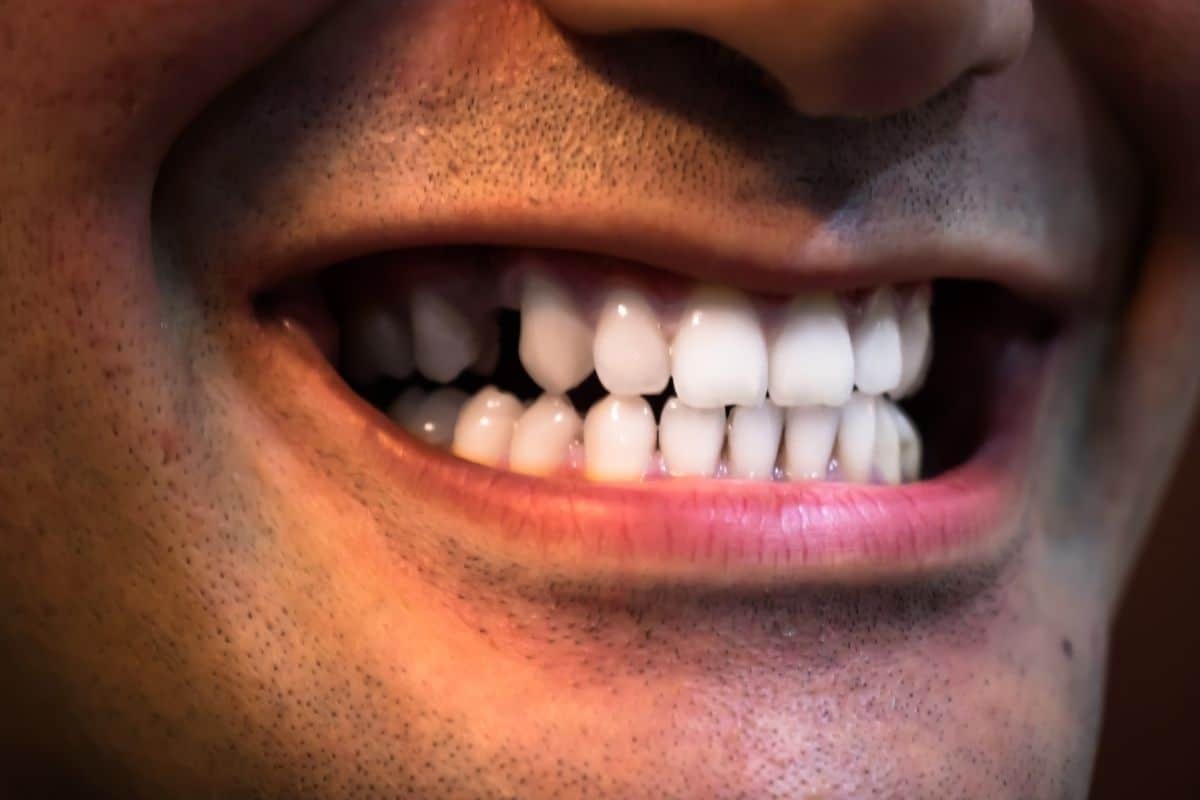
Missing teeth can affect much more than your smile. They can impact your confidence, speech, chewing ability, and even your long-term oral health. Fortunately, modern dentistry offers several reliable tooth replacement options to restore both function and aesthetics.
At Dr. Jason Augustine’s dental office in Phoenix, AZ, patients have access to advanced restorative treatments designed to replace missing teeth and rebuild healthy smiles. But with multiple options, dental implants, dental bridges, and dentures, many patients wonder which is best for them.
In this guide, we’ll explain the differences between these dental replacement options, their benefits, and how to choose the right one for your unique dental needs.
Why Replacing Missing Teeth Is Important
When a tooth is lost, the surrounding oral structures begin to change. The jawbone in that area may start to shrink due to lack of stimulation, nearby teeth can shift out of alignment, and bite problems may develop over time.
Replacing missing teeth helps:
- Restore proper chewing and speaking ability
- Maintain facial structure and jawbone health
- Prevent neighboring teeth from shifting
- Improve appearance and confidence
- Protect long-term oral health
The good news is that modern dentistry offers several effective options for replacing missing teeth.
Option 1: Dental Implants – The Most Natural Replacement
Dental implants are widely considered the gold standard for tooth replacement because they replicate the structure of a natural tooth.
How Dental Implants Work
A dental implant consists of three parts:
- Titanium implant post placed into the jawbone
- An abutment that connects the post to the crown
- Custom dental crown that looks like a natural tooth
Over time, the implant fuses with the jawbone through a process called osseointegration, creating a strong and permanent foundation.
Benefits of Dental Implants
Dental implants offer several advantages:
- Look and feel like natural teeth
- Preserve jawbone density
- Prevent shifting of surrounding teeth
- Long-lasting solution (often decades with proper care)
- No need to alter nearby healthy teeth
Ideal Candidates for Dental Implants
Dental implants may be ideal if you:
- Have one or more missing teeth
- Have sufficient jawbone density
- Maintain good oral health
- Prefer a long-term solution
Although implants require minor oral surgery and healing time, they are one of the most durable and natural-feeling solutions available today.
Option 2: Dental Bridges – A Reliable Fixed Solution
A dental bridge replaces one or more missing teeth by anchoring an artificial tooth (or teeth) between two healthy neighboring teeth.
How Dental Bridges Work
Dental bridges consist of:
- Pontic – the replacement tooth
- Dental crowns are placed on the adjacent teeth to hold the bridge in place
These supporting teeth are reshaped slightly so crowns can securely anchor the bridge.
Benefits of Dental Bridges
Dental bridges offer several advantages:
- Faster treatment than implants
- Fixed and stable (not removable)
- Restores chewing ability and smile appearance
- Prevents neighboring teeth from shifting
When Dental Bridges May Be Recommended
Bridges may be the right option if:
- You have one or several missing teeth in a row
- Neighboring teeth are strong enough to support crowns
- You want a faster and less invasive option than implants
While bridges are effective, they typically last 10–15 years with proper care.
Option 3: Dentures – A Traditional and Affordable Option
Dentures are removable appliances designed to replace multiple missing teeth or an entire arch.
Modern dentures are far more comfortable and natural-looking than those from decades ago.
Types of Dentures
There are two main types:
1. Partial Dentures
Used when some natural teeth remain.
2. Full Dentures
Used when all teeth in the upper or lower arch are missing.
Benefits of Dentures
Dentures offer several advantages:
- Affordable tooth replacement option
- Replace many teeth at once
- Restore facial appearance and speech
- Custom-designed for comfort
Limitations of Dentures
While dentures can effectively restore function, they may:
- Shift or move slightly during eating or speaking
- Require adhesives for stability
- Contribute to jawbone shrinkage over time
However, implant-supported dentures can significantly improve stability and comfort.
Dental Implants vs Bridges vs Dentures: A Comparison
Understanding the differences between these options can help you choose the right treatment.
| Feature | Dental Implants | Dental Bridges | Dentures |
|---|---|---|---|
| Permanence | Permanent solution | Fixed but replaceable | Removable |
| Jawbone Preservation | Yes | No | No |
| Impact on Other Teeth | None | Requires reshaping teeth | None |
| Longevity | 20+ years | 10–15 years | 5–10 years |
| Cost | Higher upfront | Moderate | Most affordable |
Each option has its own advantages depending on your oral health, number of missing teeth, and long-term goals.
Factors That Help Determine the Best Option
Choosing the right dental replacement option depends on several factors, including:
Number of Missing Teeth
Single missing teeth are often best replaced with implants, while multiple missing teeth may require bridges or dentures.
Jawbone Health
Adequate bone density is necessary for dental implants. If bone loss has occurred, bone grafting may be recommended.
Budget and Insurance Coverage
Dentures and bridges typically cost less initially, while implants are a long-term investment.
Oral Health Condition
Healthy gums and supporting teeth are important when considering bridges or implants.
Lifestyle and Comfort Preferences
Some patients prefer fixed solutions, such as implants or bridges, while others prefer removable dentures.
A comprehensive dental evaluation helps determine which option best fits your needs.
Why Many Patients Prefer Dental Implants
Although all three solutions can restore missing teeth, dental implants have become increasingly popular because they:
- Provide the most natural appearance and function
- Prevent jawbone loss
- Last significantly longer than other options
- Require minimal maintenance beyond normal oral hygiene
For patients seeking a long-term tooth-replacement solution, implants are often the preferred option.
What to Expect During Your Consultation
When you visit Dr. Jason Augustine for a tooth replacement consultation, the process typically includes:
- Comprehensive dental examination
- Digital imaging and X-rays
- Evaluation of jawbone density
- Discussion of treatment goals and budget
- Customized treatment plan recommendation
This personalized approach ensures you receive the best solution for restoring your smile.
Restoring Your Smile Can Transform Your Life
Missing teeth can affect daily life more than many people realize. Eating favorite foods, speaking clearly, and smiling confidently can become challenging.
With today’s advanced dental technology, replacing missing teeth is easier, more comfortable, and more natural-looking than ever before.
Whether you choose dental implants, bridges, or dentures, restoring your smile can dramatically improve your quality of life.
Schedule Your Tooth Replacement Consultation
If you’re considering replacing missing teeth, the best way to determine the right option is through a professional dental evaluation.
Dr. Jason Augustine and his experienced dental team are committed to helping patients restore their smiles with personalized, advanced treatment solutions.
Schedule your appointment today and visit our dental office at 4025 W Bell Rd, Suite #4, Phoenix, AZ 85053, United States, to learn more about dental implants, bridges, and dentures and discover which tooth replacement option is right for you.
FAQs
1. Which tooth replacement option lasts the longest?
Dental implants typically last the longest. With proper care, implants can last 20 years or more, often making them a lifetime solution.
2. Are dental implants better than dentures?
Dental implants are generally considered more stable and natural-feeling than dentures because they are anchored in the jawbone. However, dentures may be more affordable and suitable for certain patients.
3. How much do dental implants cost compared to bridges and dentures?
Dental implants usually have a higher upfront cost but last longer. Bridges and dentures are more affordable initially but may need replacement over time.
4. Can I replace multiple missing teeth with implants?
Yes. Dental implants can replace a single tooth, multiple teeth, or even support full-arch restorations such as implant-supported dentures.
5. How do I know which tooth replacement option is right for me?
The best option depends on your oral health, jawbone condition, number of missing teeth, and personal preferences. A consultation with a qualified dentist is the best way to determine the right treatment plan.
