
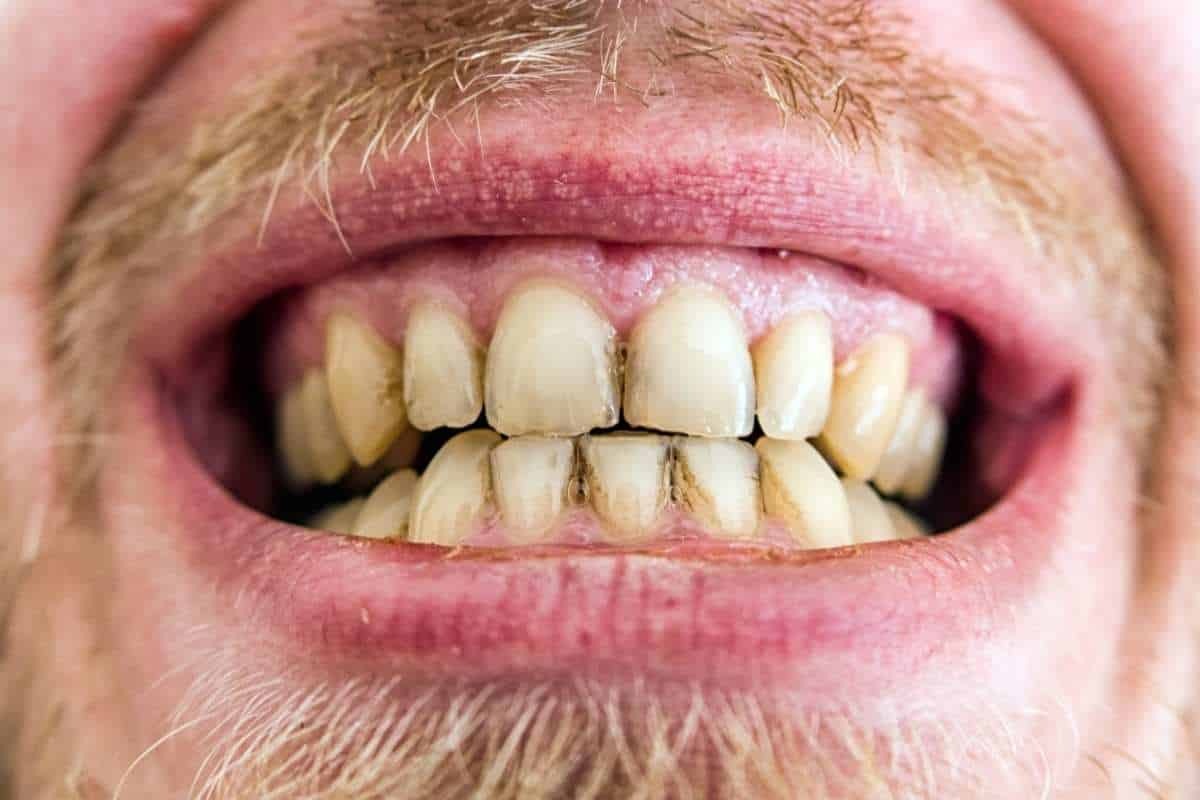
Many people take pride in their daily oral hygiene routine, brushing twice a day and flossing regularly, yet they still notice plaque forming on their teeth. It can be frustrating to do everything “right” and still see that sticky, yellowish film returning. So why does plaque build up even after brushing and flossing? At Dr. Jason Augustine DDS, we’re here to explain the science behind plaque and share tips to help keep your smile healthy.
What Is Plaque, and Why Does It Form?
Plaque is a soft, sticky film of bacteria, food particles, and saliva that constantly forms on your teeth. While it’s a normal part of the oral environment, excessive plaque can lead to tooth decay, cavities, and gum disease if not properly managed.
Plaque forms because your mouth is full of bacteria that thrive on the sugars and starches in your food. When these bacteria feed, they produce acids that attack tooth enamel and irritate gums. Over time, this can cause cavities, gingivitis, and other dental problems.
Even with brushing and flossing, plaque can still accumulate because some areas of the mouth are harder to reach or because daily habits don’t fully remove the bacteria.
Common Reasons Plaque Builds Up Despite Brushing and Flossing
Understanding why plaque returns can help you take targeted steps to control it. Here are the most common reasons:
1. Brushing Technique Matters
Brushing too quickly, using a worn-out toothbrush, or not reaching all surfaces of your teeth can leave behind plaque. Many people focus only on the front surfaces, neglecting the backs, molars, and along the gumline, where plaque loves to hide.
Tip: Use a soft-bristled toothbrush and brush for at least two minutes, covering every tooth surface. Electric toothbrushes can be particularly effective at removing plaque.
2. Flossing Misses Key Areas
Even with regular flossing, plaque can persist if you miss tight spaces between teeth or don’t floss correctly. Some people only floss once in a while or slide the floss between teeth without gently scraping along the sides.
Tip: Floss at least once daily, curving the floss around each tooth in a “C” shape and moving gently up and down to remove plaque along the tooth and below the gumline.
3. Dietary Habits
High-sugar or starchy diets contribute significantly to plaque formation. Every time you eat or drink something sugary, the bacteria in your mouth produce acids that accelerate plaque accumulation.
Tip: Limit sugary snacks and beverages, and rinse your mouth with water after eating to help reduce acid buildup.
4. Dry Mouth (Xerostomia)
Saliva plays a crucial role in naturally washing away food particles and neutralizing acids. People with dry mouth often experience more plaque buildup because there’s less saliva to protect their teeth.
Tip: Stay hydrated, chew sugar-free gum to stimulate saliva, and discuss dry mouth remedies with your Phoenix periodontist if necessary.
5. Irregular Dental Visits
Even the most diligent brushing and flossing routine cannot completely remove hardened plaque (tartar) that forms over time. Tartar can only be professionally removed during a dental cleaning.
Tip: Schedule regular dental checkups and cleanings every six months to keep plaque and tartar under control.
Effective Ways to Reduce Plaque Buildup
Controlling plaque is a combination of good daily habits, diet management, and professional care. Here’s what Dr. Jason Augustine, DDS, recommends:
✅ Brush Twice Daily with Proper Technique
Focus on all tooth surfaces, use fluoride toothpaste, and consider an electric toothbrush for more thorough cleaning.
✅ Floss Every Day
Floss gently but thoroughly, making sure to reach every space between teeth and along the gumline.
✅ Use an Antimicrobial Mouthwash
Mouthwashes containing antibacterial agents can help reduce plaque-causing bacteria, especially in areas that are difficult to brush.
✅ Maintain a Balanced Diet
Cut back on sugary and starchy foods, and opt for water, cheese, or crunchy vegetables that naturally help clean teeth.
✅ Visit Your Periodontist Regularly
Professional cleanings remove tartar and detect early signs of cavities or gum disease, helping you stay ahead of plaque buildup.
Why Preventing Plaque Matters
Plaque is more than just an unsightly film—it’s the first step toward more serious dental issues. If left untreated, plaque hardens into tartar, which can lead to gum disease, cavities, and even tooth loss. Preventing plaque not only protects your oral health but also contributes to overall wellness, as oral infections have been linked to heart disease, diabetes, and other systemic conditions.
Taking control of plaque today means fewer dental problems tomorrow. With the right techniques, habits, and regular professional care, it’s possible to enjoy a healthy, bright smile free from plaque-related issues.
Schedule a Visit With Dr. Jason Augustine
Plaque buildup is a common challenge, but it’s one that can be effectively managed with guidance from a trusted periodontist. At Dr. Jason Augustine DDS, we provide personalized care to help you master your oral hygiene routine, prevent cavities, and maintain a healthy smile year-round.
Book your appointment today or visit our dental office at 4025 W Bell Rd, Suite #4, Phoenix, AZ 85053, United States. Let our experienced team show you how to keep plaque under control and enjoy long-lasting oral health.
FAQs
1. Why does plaque build up even if I brush and floss every day?
Plaque forms in hard-to-reach areas, along the gumline, and between teeth. Bacteria feed on food particles and sugars, producing acids that stick to enamel. Proper technique and professional cleanings are essential to remove it fully.
2. How often should I see a dentist to prevent plaque buildup?
Regular dental checkups every six months are recommended. Professional cleanings remove tartar that can’t be eliminated by brushing and flossing alone.
3. Can diet affect plaque formation?
Yes! Sugary and starchy foods feed plaque-causing bacteria. Limiting these foods and rinsing after meals can reduce plaque accumulation.
4. Does using an electric toothbrush help with plaque removal?
Electric toothbrushes can be more effective than manual brushing at reaching all tooth surfaces and removing plaque, especially along the gumline.
5. What home care tips reduce plaque buildup?
Brush twice daily for two minutes, floss daily, use an antimicrobial mouthwash, chew sugar-free gum, and maintain regular dental visits to minimize plaque formation.
