
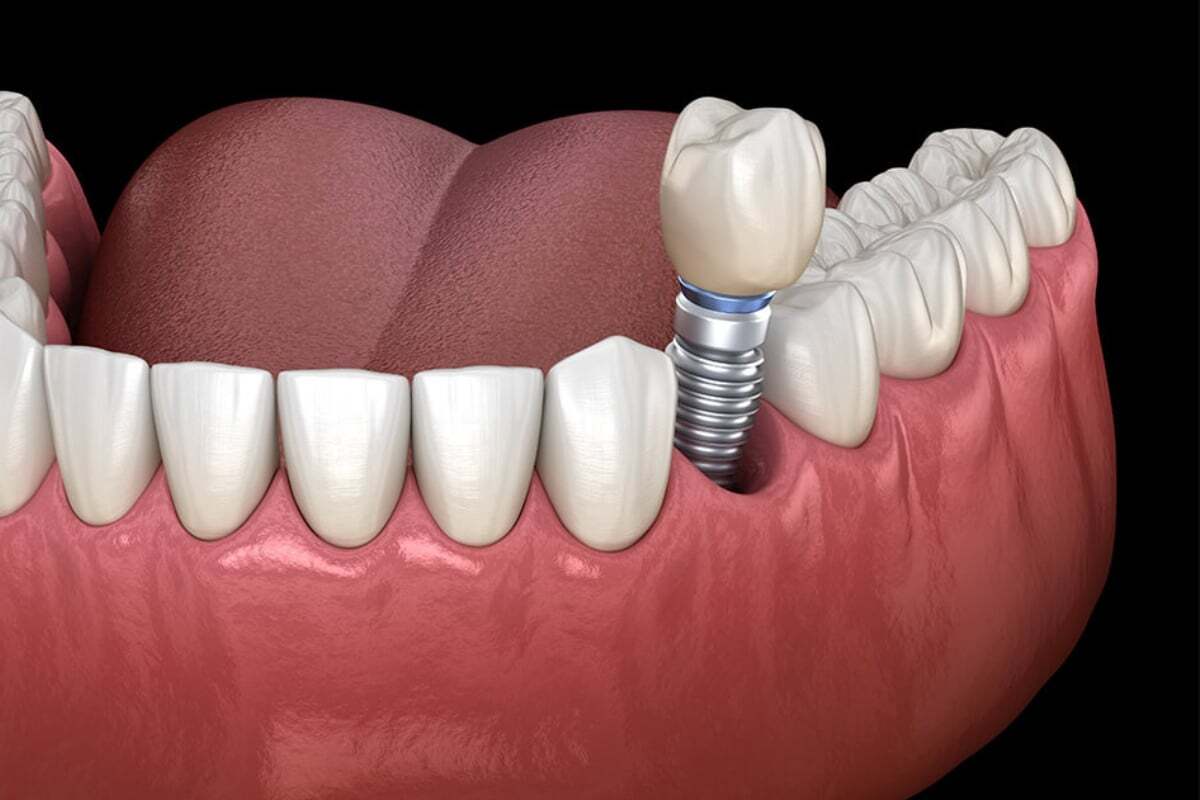
Dental implants have become the gold standard for replacing missing teeth, offering patients a natural look, strong function, and long-lasting results. However, not everyone has enough jawbone density to support implants right away. This is where bone grafting comes in—a procedure that rebuilds or strengthens the jawbone to create the solid foundation needed for implant success. Understanding the role of bone grafting in dental implant treatment can help patients feel more confident when planning for their smile restoration.
Why Bone Grafting Is Needed Before Implants
A healthy jawbone is critical for supporting dental implants. Over time, tooth loss, gum disease, injury, or prolonged denture use can cause the bone to deteriorate. Without enough bone, implants may fail to fuse properly.
When this happens, dentists often recommend a bone graft with implant placement or as a separate procedure. This ensures the jawbone is thick and strong enough to securely hold implants for the long term.
Types of Bone Grafting Materials in Implant Dentistry
Modern dentistry offers different options for rebuilding bone, depending on the patient’s needs. Common bone grafting materials in implant dentistry include:
- Autografts – Bone taken from the patient’s own body, usually from the jaw, hip, or chin.
- Allografts – Bone from a human donor that has been processed for safe use.
- Xenografts – Bone from an animal source, typically bovine (cow), carefully treated for biocompatibility.
- Alloplasts – Synthetic bone grafting materials made from calcium phosphate or other biocompatible minerals.
Each type has its own benefits, and your dentist will select the best option for long-term implant success.
Bone Graft with Implant Placement vs. Bone Graft without Implant
In some cases, a bone graft with implant placement can be done at the same time, saving treatment time. This is often possible when the bone deficiency is minimal.
However, when significant bone loss has occurred, a bone graft without implant placement may be necessary first. The graft is allowed to heal and integrate with the jawbone over several months before implants can be placed. This staged approach ensures the highest chance of implant stability and long-term success.
Bone Graft Implant Timeline
Every patient’s situation is unique, so the bone graft implant timeline can vary. In general:
- Bone Graft Surgery: The graft is placed, and healing begins.
- Healing & Integration (3–6 months): The graft fuses with the natural bone, creating a strong foundation.
- Implant Placement: Once the graft is stable, implants can be placed.
- Final Restoration (4–6 months later): After the implants fuse with the bone (osseointegration), permanent crowns, bridges, or dentures are attached.
In some cases, immediate implants are possible, but most patients benefit from a staged process for maximum stability.
Wearing Dentures After Bone Graft
Many patients wonder if they can continue wearing dentures after bone graft surgery. In most cases, a temporary denture can be worn, but adjustments may be needed to avoid pressure on the graft site. Your dentist will provide specific instructions to protect the healing area and ensure the graft is successful.
Does Medicare Cover Bone Grafts for Dental Implants?
A common concern is financial coverage. Patients often ask, does Medicare cover bone grafts for dental implants? Unfortunately, Medicare does not usually cover dental implant procedures or bone grafting, as these are considered elective treatments. However, some private dental insurance plans may offer partial coverage, and many dental offices provide flexible financing options to make treatment more affordable.
Long-Term Benefits of Bone Grafting for Dental Implants
Bone grafting may add time to your treatment plan, but the benefits are well worth it. A successful bone graft:
- Increases implant stability and longevity.
- Restores proper facial structure and prevents sunken cheeks.
- Provides a natural look and improved bite strength.
- Expands eligibility for patients who otherwise could not receive implants.
With the right planning and care, bone grafting makes it possible for patients to enjoy healthy, long-lasting smiles with dental implants.
FAQs About Bone Grafting and Dental Implants
1. Is bone grafting painful?
No. The procedure is done under local anesthesia or sedation, so patients are comfortable. Mild soreness may occur afterward but is manageable with prescribed medication.
2. How long does it take to heal after bone graft surgery?
Healing usually takes 3–6 months, depending on the size of the graft and individual healing ability.
3. Can everyone get a bone graft?
Most patients are eligible, but your dentist will review your health history and may recommend alternative options if you have certain medical conditions that affect healing.
If you are considering dental implants but have been told your jawbone is too weak, bone grafting may be the solution you need. This procedure strengthens your foundation and ensures your implants last for many years. To learn more about your options and create a personalized treatment plan, book an appointment at our office located at 4025 W. Bell Road Suite #4, Phoenix, AZ 85053.
