
A confident smile begins with strong, healthy teeth, especially in the front of your mouth. Whether you’ve lost a front tooth due to injury, decay, or periodontal disease, anterior dental implants offer a natural-looking, permanent solution. These implants not only restore the appearance of your smile but also maintain oral health and function. If you’re considering anterior implants, scheduling a consultation is the crucial first step. This guide will walk you through what anterior implants are, the role of healing caps, and why Phoenix is an excellent place to begin your journey to a restored smile.
What Are Anterior Implants?
Anterior implants are dental implants placed in the front portion of your mouth, typically the incisors and canines. Because these teeth are highly visible when you smile or speak, both aesthetics and precision are key in their placement. Unlike molar implants that focus more on function, anterior implants must blend seamlessly with your natural teeth in terms of color, size, and position.
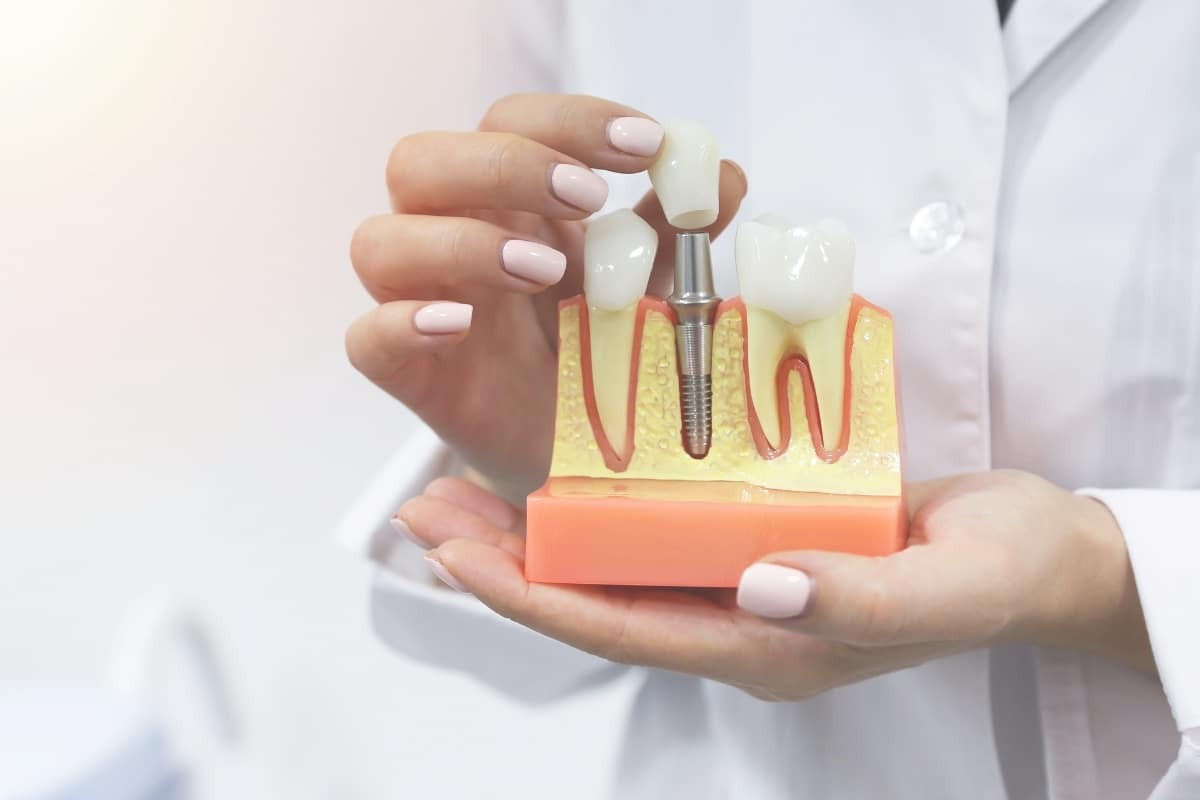
The implant itself is a titanium post that is surgically placed into the jawbone. Over time, the bone fuses with the post through a process called osseointegration, creating a secure foundation for a dental crown. The final restoration looks and functions just like a natural tooth, allowing patients to smile, speak, and eat with confidence.
Understanding Healing Cap Placement
After the implant is surgically placed, a healing cap also known as a healing abutment, is used to guide gum tissue to heal properly around the implant site. This cap plays a crucial role in shaping the gum line and ensuring a natural, aesthetic appearance once the final crown is attached. Healing caps are typically placed during or shortly after the implant surgery and remain in place for several weeks as the area heals.
The healing process is essential for long-term success. It ensures that the soft tissue contours naturally around the implant, which is especially important in the visible anterior zone. A well-placed healing cap not only supports gum health but also contributes to the final aesthetic result by preventing gum collapse or uneven gum lines.
Why Choose Dental Implants for the Front Teeth?
There are several reasons why patients opt for anterior dental implants instead of removable partials or dental bridges:
- Natural Appearance: Anterior implants are designed to match the shape, size, and color of your existing teeth.
- Bone Preservation: Unlike bridges, implants stimulate the jawbone and prevent bone loss.
- Durability: With proper care, implants can last a lifetime.
- No Impact on Adjacent Teeth: Implants do not rely on neighboring teeth for support, preserving their integrity.
Choosing an experienced implant provider is essential to achieving these benefits, especially when working in the front of the mouth, where precision is paramount.
Who Is a Good Candidate for Anterior Implants?
Ideal candidates for anterior implants typically:
- Have one or more missing front teeth
- Possess healthy gums and adequate jawbone density
- Do not smoke or have uncontrolled chronic conditions like diabetes
- Are committed to good oral hygiene and regular dental visits
If you’re unsure whether you qualify, your implant consultation will include imaging, a detailed oral health evaluation, and a personalized treatment plan tailored to your needs.
Why Phoenix Residents Are Turning to Implants
The demand for dental implants has grown steadily over the years due to advancements in dental technology and patient awareness. Many Phoenix dental professionals offer state-of-the-art implant services, including 3D imaging, guided implant surgery, and customized crown fabrication. Whether you’re dealing with a single missing tooth or multiple missing teeth in the anterior zone.
The region’s mild climate also allows for easy recovery and comfortable follow-up visits. Plus, having your implant procedure done close to home means easier coordination for consultations, healing cap placement, crown fittings, and ongoing maintenance.
What to Expect During Your Consultation
When you book your consultation for anterior implants and healing cap placement, here’s what you can typically expect:
- Comprehensive Exam: Your dentist will perform a full examination, including digital X-rays or 3D imaging.
- Treatment Planning: A customized plan will be created, outlining the steps from implant surgery to final crown placement.
- Discussion of Healing Cap Use: You’ll learn how the healing cap shapes your gums and ensures optimal aesthetics.
- Cost and Timeline Review: Your dentist will discuss estimated costs, payment options, and expected healing time.
- Q&A Session: This is your chance to ask questions about the procedure, post-op care, risks, and benefits.
Missing front teeth can impact your self-esteem, speech, and ability to eat comfortably, but they don’t have to. Anterior implants combined with expertly placed healing caps can restore your smile to its natural beauty and function. If you’re ready to explore your options and regain your confidence, now is the perfect time to act. Schedule your consultation at 4025 W Bell Rd, Suite #4, Phoenix, AZ 85053, and discover how dental implants can transform your smile.
FAQS
1. What can I expect during my consultation for anterior dental implants?
During your consultation, your dentist will evaluate your oral health, take X-rays or 3D scans, and discuss your treatment goals. This appointment allows the dentist to determine if anterior implants are right for you and outline a personalized treatment plan, including healing cap placement.
2. How long does it take to place a healing cap after an anterior implant?
A healing cap is typically placed immediately after the dental implant is inserted. Its purpose is to protect the implant site and shape the gum tissue for a natural-looking restoration. The process is quick, usually completed within the same appointment as the implant surgery.
3. Are anterior implants and healing cap placement painful?
Most patients experience minimal discomfort. Local anesthesia is used during the procedure, and postoperative pain is generally manageable with over-the-counter pain medications. Your dentist will provide detailed aftercare instructions to ensure a smooth, comfortable recovery.
