
If you’re about to undergo surgery for fixed hybrid dentures, you’re likely feeling both excited and a bit uncertain about what comes next. Fixed hybrid dentures offer a revolutionary solution for individuals with missing teeth, combining the stability of dental implants with the aesthetics of a full-arch denture. But like any major dental procedure, proper recovery is key to achieving the best possible results.
In this blog, we’ll guide you through what to expect after surgery, including the healing timeline, tips for a comfortable recovery, and how to care for your new smile. Whether you’ve already scheduled your surgery or are simply exploring options, this guide will provide valuable insight into life after fixed hybrid denture placement.
What Are Fixed Hybrid Dentures?
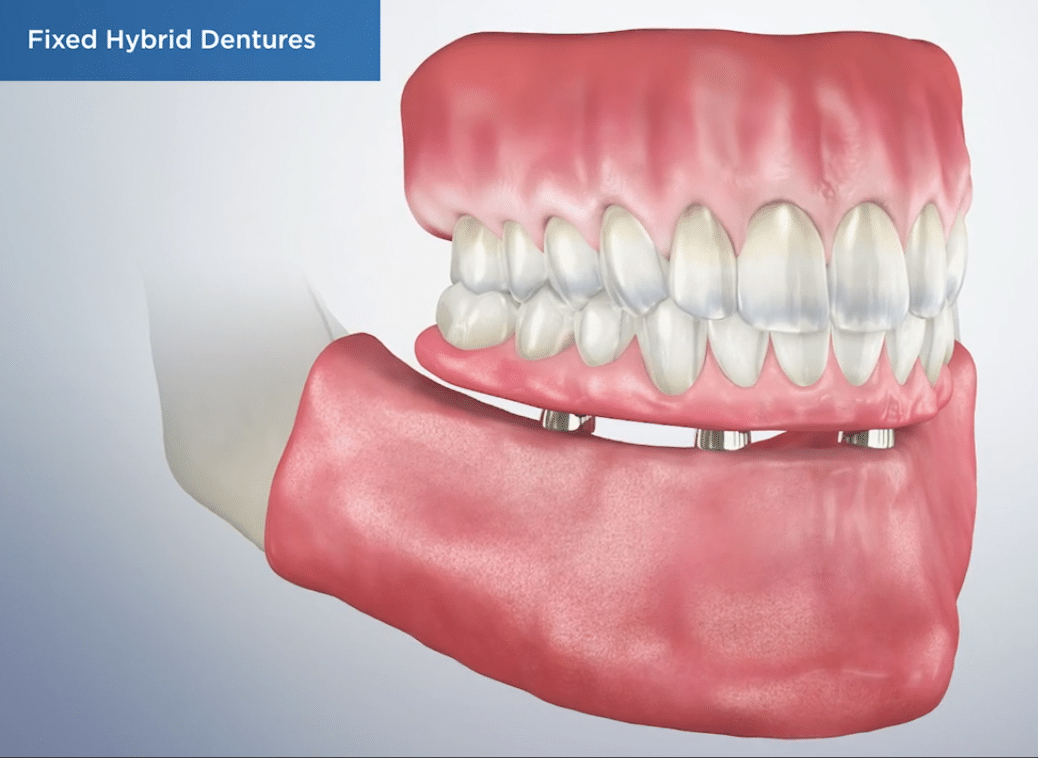
Fixed hybrid dentures—sometimes called All-on-4 or implant-supported dentures—are a type of full-arch restoration that uses 4 to 6 dental implants to anchor a custom-made denture in place. Unlike traditional removable dentures, these are non-removable and offer a permanent, stable, and lifelike alternative.
Benefits of fixed hybrid dentures include:
- Enhanced chewing function and bite strength
- Permanent attachment (no slipping or shifting)
- Natural look and feel
- Long-lasting solution with proper care
The surgery involves placing implants into your jawbone and, in many cases, attaching a temporary denture the same day (also called “teeth-in-a-day”). Once the implants fuse with the bone—a process called osseointegration—a permanent hybrid denture is installed.
Immediate Post-Surgery Recovery: The First 24–72 Hours
1. Rest and Let Your Body Heal
The first few days after surgery are critical for healing. It’s normal to experience:
- Swelling
- Bruising
- Mild to moderate discomfort
- Minor bleeding or oozing from the implant site
To minimize discomfort:
- Apply an ice pack (20 minutes on, 20 minutes off) for the first 24–48 hours.
- Elevate your head with pillows when sleeping.
- Take any prescribed or over-the-counter medications as directed.
2. Stick to a Soft Diet
Your mouth will be sensitive, and your implants need time to stabilize. During this period:
- Eat only soft, non-chewy foods like mashed potatoes, smoothies, yogurt, scrambled eggs, and soups.
- Avoid hot or spicy foods that can irritate the area.
- Do not use a straw, as suction can disrupt the healing process.
The First Week: Adapting to Your New Smile
As you move through the first week, you’ll start feeling better, but it’s still important to take it easy.
3. Watch for Signs of Infection
While rare, infection can occur around the implant site. Contact your dentist if you experience:
- Fever
- Increased pain or swelling after 3 days
- Pus or unusual discharge
- Bad taste in your mouth
Your dental team will likely schedule a follow-up appointment within 7–10 days to monitor your progress and ensure the healing is on track.
4. Oral Hygiene Is Essential
You may be wondering: How do I clean fixed dentures after surgery?
Initially, avoid brushing the surgical site directly. Instead:
- Use a prescribed mouth rinse or warm saltwater rinse (especially after meals).
- Clean the non-surgical areas gently with a soft toothbrush.
- Avoid flossing around implants until your dentist gives you the go-ahead.
As healing progresses, your dentist will teach you how to properly clean around your fixed hybrid denture using specialized tools like floss threaders or water flossers.
Weeks 2 to 6: Building Strength and Stability
At this stage, you’ll notice a marked improvement in comfort, function, and appearance. However, your implants are still integrating with the bone, so care is still required.
5. Gradual Dietary Transition
You may be tempted to bite into your favorite foods, but it’s best to wait. During weeks 2–6:
- Continue eating soft-to-medium foods such as pasta, steamed veggies, soft fish, and rice.
- Avoid hard or sticky items (nuts, tough meats, gum) that could stress the implants.
Your dental team may suggest reintroducing certain foods gradually based on your healing progress.
6. Speech Adjustments
Some patients notice slight changes in their speech after getting fixed dentures. This is normal and temporary.
To adapt more quickly:
- Practice reading aloud
- Repeat challenging words and phrases
- Be patient—your tongue and muscles will adjust with time
Months 2 to 6: Final Healing and Permanent Restoration
After about three to six months, the implants should be fully fused with the jawbone. At this point, your dentist will replace your temporary denture with a permanent, custom-fitted hybrid denture.
7. Enjoy Full Chewing Power
Once your final denture is placed, you can return to a more normal diet. Chew with confidence—but continue to avoid chewing ice, hard candy, or biting your nails, which can damage your prosthesis.
8. Maintenance and Long-Term Care
Fixed hybrid dentures are low-maintenance but not zero-maintenance. To keep them in top shape:
- Brush twice daily using a soft-bristled brush
- Use a water flosser or specialized interdental brushes
- Visit your dentist every 6 months for professional cleanings and checkups
In some cases, your dentist may need to remove the denture periodically for deep cleaning or adjustments.
Common Recovery Concerns: FAQs
Q: How long will swelling last?
Swelling is most pronounced in the first 48–72 hours but typically subsides within a week.
Q: When can I return to work?
Most patients return to light work duties within 3–5 days. More strenuous jobs may require a longer recovery period.
Q: Will I need pain medication long-term?
Generally, prescription pain relievers are only needed for a few days. After that, OTC medications like ibuprofen are sufficient.
Q: Can I sleep with my hybrid dentures?
Yes, because they are permanently fixed in place, you wear them 24/7.
Q: How long do fixed hybrid dentures last?
With proper care, the implants can last a lifetime, while the denture itself may need replacement or adjustments every 10–15 years.
A Life-Changing Smile
Recovery from fixed hybrid denture surgery is a process, but it leads to a confident, functional, and beautiful new smile. Knowing what to expect and how to take care of yourself during recovery will make the journey smoother and more successful.
At Dr. Jason Augustine, our experienced team is here to guide you every step of the way—from surgery to smile transformation. If you’re considering fixed hybrid dentures or have questions about recovery, request an appointment now. Visit us at 4025 W. Bell Road Suite #4, Phoenix, AZ 85053, and let us help you take the first step toward a healthier, more confident future.
