
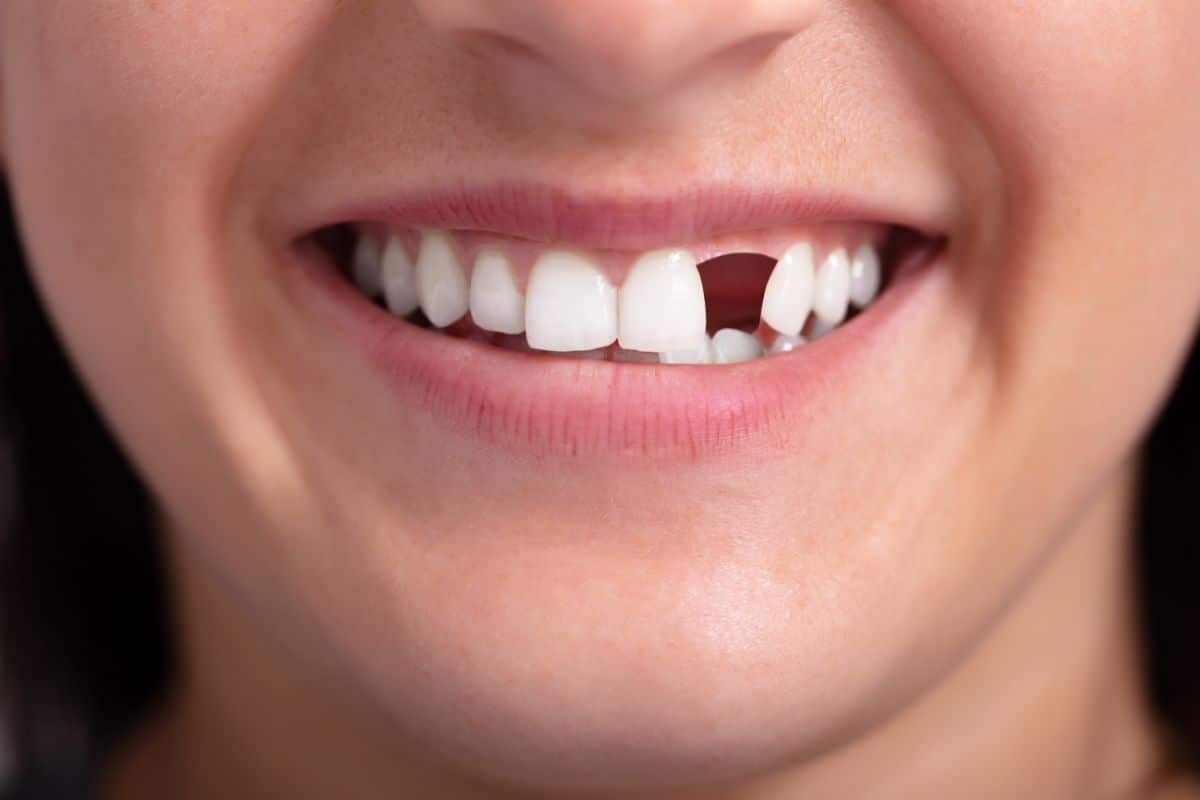
Losing a front tooth can be a frightening and traumatic experience, especially because it affects your appearance, confidence, and ability to eat or speak clearly. Whether it’s due to an accident, sports injury, or dental condition, knowing what to do in those crucial first moments can make all the difference in saving your tooth—or minimizing damage if it can’t be saved.
In this blog, we’ll guide you through the immediate steps to take if you or someone you know loses a front tooth, along with treatment options and tips for long-term care.
Step 1: Stay Calm and Act Quickly
It’s easier said than done, but staying calm helps you think clearly and act efficiently. Time is critical when dealing with a knocked-out tooth (also called an avulsed tooth). You typically have a 30-minute to 1-hour window to attempt to replant the tooth successfully.
Step 2: Find the Tooth and Handle It Correctly
If your tooth has completely fallen out:
- Locate it quickly: Try to find the tooth as soon as possible.
- Handle by the crown only: Pick it up by the white, chewing surface (the crown), not the root.
- Do not scrub or clean it with soap: Gently rinse off any dirt with water or milk. Do not use chemicals, soap, or tissues, and don’t scrub the tooth, as that can damage the root cells.
Step 3: Try to Reinsert the Tooth (If Possible)
If the tooth is clean and intact:
- Gently place it back into the socket: Line it up correctly and push it into place with light pressure.
- Bite down on a clean cloth or gauze: This helps hold the tooth in place while you make your way to the dentist.
Note: Do not attempt reinsertion if the tooth is fractured, your mouth is severely injured, or the person is unconscious.
Step 4: Keep the Tooth Moist
If reinserting isn’t an option:
- Store the tooth in milk: Milk is the best readily available liquid to preserve tooth cells temporarily.
- Use a tooth preservation kit: If you have access to a product like Save-a-Tooth, use it.
- Hold it in your cheek: If the person is conscious and old enough, keeping the tooth in the cheek can help keep it moist with saliva.
- Avoid water: Water can damage root cells and is not ideal for storage.
Step 5: See a Dentist Immediately
Time is crucial. Call your dentist or head to an emergency dental clinic within 30 to 60 minutes. The sooner the tooth is professionally evaluated and reimplanted, the higher the chances of saving it.
What If the Tooth Can’t Be Saved?
Unfortunately, not all knocked-out teeth can be re-implanted, especially if the root is damaged or the tooth has been out of the mouth too long. But don’t worry—Dr. Jason Augustine offers several effective and natural-looking solutions:
1. Dental Implants
A titanium post is surgically inserted into the jawbone to act as a new tooth root, topped with a realistic crown. Implants are permanent, durable, and look just like your natural teeth.
2. Dental Bridges
A bridge uses the surrounding teeth as anchors to support a false tooth in between. This is a good option if adjacent teeth need crowns anyway.
3. Removable Partial Dentures
These are prosthetic teeth that you can take in and out. They’re more affordable but less secure than implants or bridges.
Your dentist will help determine the best option based on your oral health, age, and budget.
Additional Tips for Managing the Situation
- Control bleeding: Apply gentle pressure using a clean gauze or cloth. Keep your head elevated and avoid spitting, as this can worsen bleeding.
- Reduce swelling and pain: Use a cold compress on the outside of your mouth or cheek.
- Avoid eating or drinking: Don’t eat or drink anything until you’ve seen the dentist, especially if the tooth is reinserted.
Long-Term Care After Tooth Loss
After treatment, follow these tips to support healing and protect your smile:
- Maintain good oral hygiene: Keep the area clean but be gentle, especially if you’ve had a re-implantation or surgery.
- Eat soft foods: Stick to soft foods for a few days to avoid irritating the site.
- Avoid smoking or alcohol: These can interfere with healing.
- Wear a mouthguard: If you play sports or grind your teeth, a custom mouthguard can prevent future incidents.
How to Prevent Tooth Loss in the Future
While accidents are sometimes unavoidable, you can take steps to protect your teeth:
- Always wear a mouthguard during contact sports.
- Avoid biting hard objects like ice, pens, or opening packages with your teeth.
- Maintain regular dental check-ups to catch early signs of tooth decay or gum disease.
- Use caution in risky situations, such as biking, skating, or climbing.
Losing a front tooth can feel overwhelming, but knowing how to respond in those first few minutes can be the difference between saving and replacing the tooth. Immediate action, proper handling, and quick dental care are essential.
Whether your tooth can be saved or needs to be replaced, today’s dental technology ensures that you can restore both your smile and confidence.
Need Emergency Dental Help?
Please reach out to Dr. Jason Augustine, DDS, at your earliest convenience. If you’re unsure where to go, search for an “emergency dentist near me” or call your regular dentist’s office; many practices offer after-hours services or can refer you to urgent care.
