
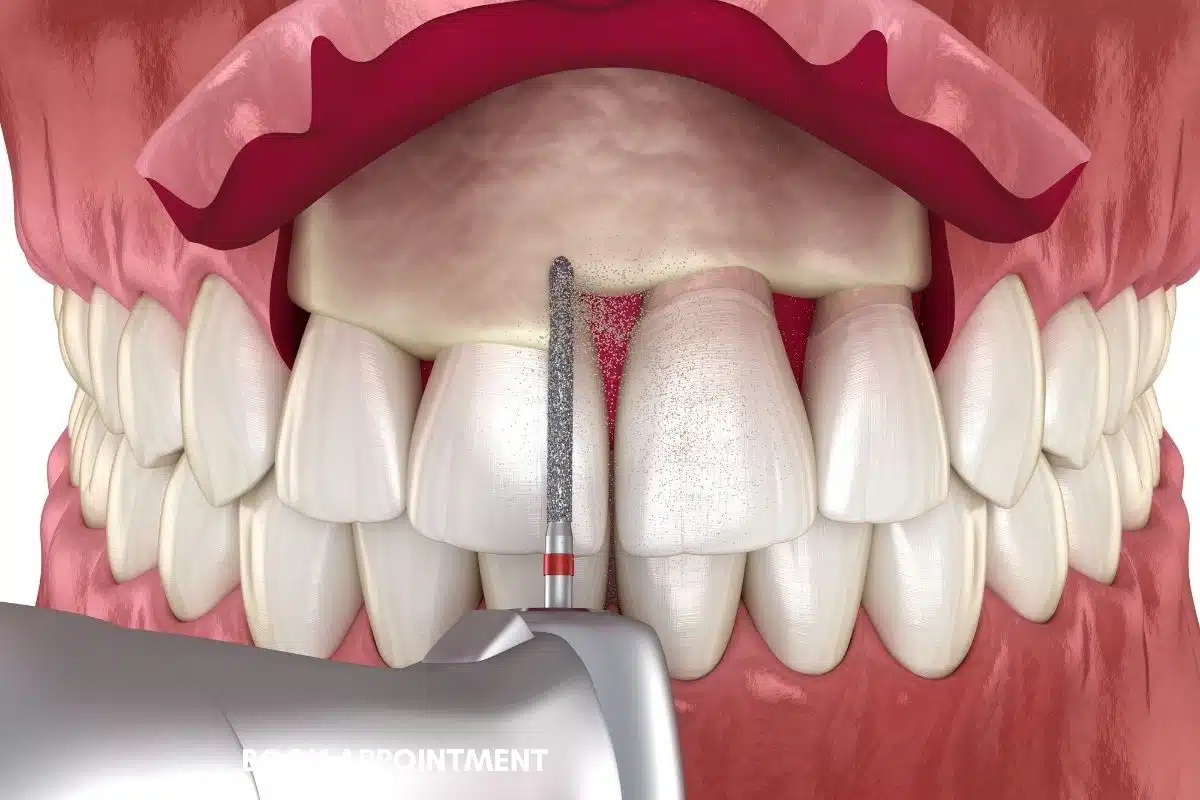
Esthetic crown lengthening is a common dental procedure designed to improve the appearance of the smile by reshaping the gum line to expose more of the natural tooth. This treatment is often recommended for individuals with a “gummy smile” or those who need additional tooth structure for a restoration such as a crown or veneer. While the procedure itself is relatively straightforward, understanding the recovery process and following proper aftercare instructions are essential for optimal healing and long-lasting results.
Immediate Post-Procedure: What to Expect
After esthetic crown lengthening, you can expect some mild discomfort and swelling in the treated area. Since this procedure involves removing excess gum tissue and possibly small amounts of bone, healing requires time and proper care. Here’s what you may experience:
- Swelling and tenderness: Some gum swelling is normal and usually peaks within the first 48 hours.
- Mild Bleeding: Slight bleeding or oozing at the surgical site is common but should subside within a day.
- Sensitivity: Your teeth may feel sensitive to hot and cold due to the newly exposed tooth structure.
- Tightness or gum soreness: The gums may feel tight or sore as they heal and adjust to their new position.
Recovery Timeline
Understanding the recovery timeline can help you plan for a smooth healing process.
- First 24-48 Hours: Swelling and minor bleeding are expected. Using ice packs and following your dentist’s instructions will help reduce discomfort.
- First Week: Most swelling subsides, and discomfort diminishes significantly.
- Two to Three Weeks: The gums begin to heal, and you may return to normal eating and oral hygiene routines.
- Six to Eight Weeks: Full healing of the gums occurs, and any planned restorative dental work (such as veneers or crowns) can be completed.
Essential Aftercare Tips
To promote proper healing and prevent complications, follow these aftercare tips:
1. Manage Discomfort Effectively
- Take prescribed pain relievers or over-the-counter medications like ibuprofen as directed.
- Apply ice packs to the outside of your face (for the first 24 hours) to reduce swelling.
- Avoid strenuous activities for a few days to prevent increased blood flow and swelling.
2. Follow Proper Oral Hygiene Practices
- Gently rinse with a saltwater solution or an antibacterial mouthwash as recommended by your dentist.
- Avoid brushing directly on the surgical site for the first few days.
- Use a soft-bristled toothbrush and be gentle around the treated area to prevent irritation.
3. Stick to a Soft Diet
- Eat soft, non-irritating foods such as yogurt, mashed potatoes, scrambled eggs, smoothies, and soups.
- Avoid spicy, crunchy, or acidic foods that can irritate healing gums.
- Stay hydrated, but avoid using a straw, as the suction can disrupt healing tissues.
4. Protect Your Gums While They Heal
- Avoid touching or pulling at the treated area with your tongue or fingers.
- Refrain from smoking and alcohol consumption, as they can delay healing.
- Sleep with your head slightly elevated to reduce swelling.
When to Contact Your Dentist
While minor discomfort is expected, certain symptoms may indicate a complication. Contact your dentist if you experience:
- Persistent or excessive bleeding beyond the first day.
- Severe pain that isn’t relieved by medication.
- Signs of infection, such as fever, pus, or excessive swelling.
- Gum recession or unexpected changes in gum shape.
Long-Term Maintenance and Final Results
Once your gums have fully healed, maintaining your new smile requires ongoing care.
- Regular Dental Visits: Continue with regular check-ups and professional cleanings.
- Good oral hygiene: brush twice a day, floss carefully, and use recommended mouthwashes.
- Healthy Lifestyle Choices: A balanced diet and avoiding tobacco will support long-term gum health.
Recovery from esthetic crown lengthening is a gradual process, but with proper care, the results can dramatically improve your smile’s appearance. By following aftercare guidelines and maintaining excellent oral hygiene, you can enjoy long-lasting benefits and a more confident smile. If you have any concerns about healing, always reach out to your dental professional for guidance.