
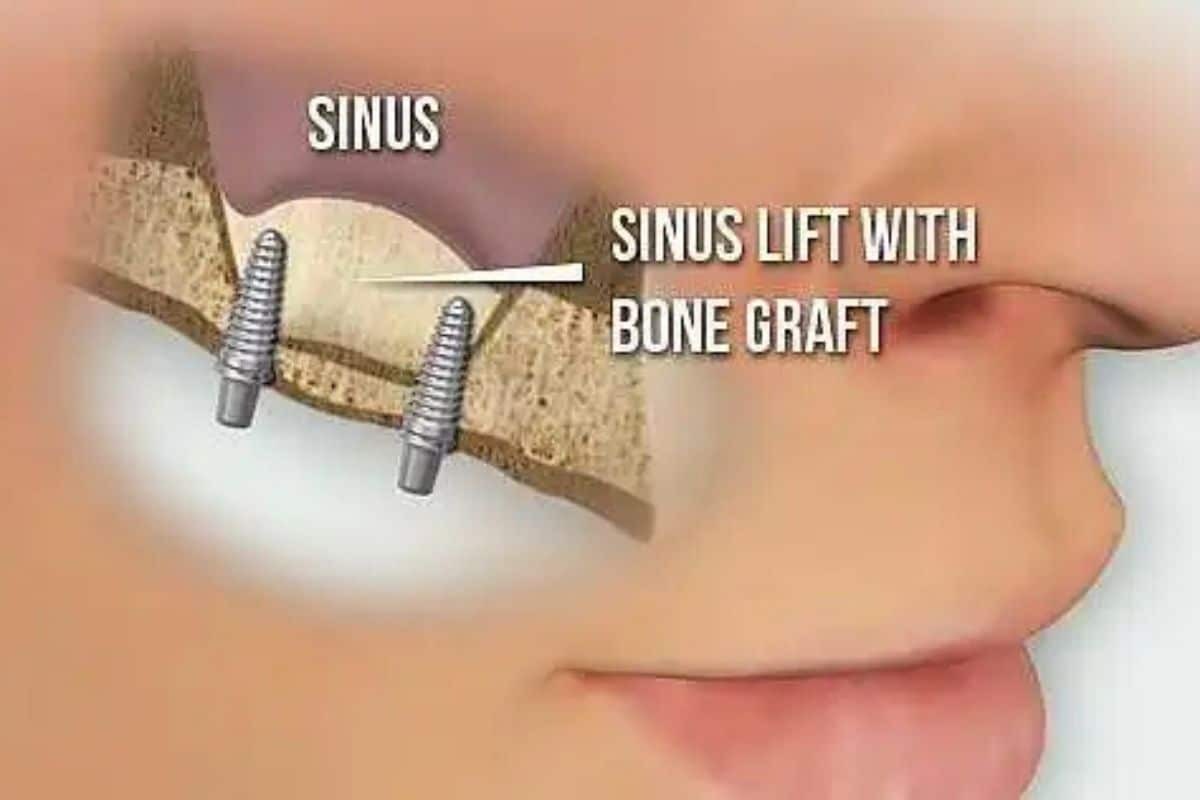
Dental implants are a reliable and long-lasting solution for replacing missing teeth. However, for implants to be successful, there must be sufficient bone in the jaw to securely anchor them. In the upper jaw, near the back teeth (molars and premolars), the sinus cavity often poses a challenge. Sinus grafting, also known as sinus lift surgery, is a specialized procedure designed to address this issue by restoring adequate bone structure for implant placement. Here’s what you need to know about sinus grafting and how it facilitates successful dental implant treatment.
Understanding the Sinus Cavity and Bone Loss
The maxillary sinuses are hollow air-filled spaces located above your upper jaw. When teeth are lost in the upper back region, the bone that once supported them begins to resorb over time. This results in:
- A thinner bone structure between the jaw and sinus cavity.
- Insufficient support for dental implants.
- Increased risk of implant failure due to proximity to the sinus cavity.
Sinus grafting addresses this issue by adding bone to the area, creating a stable foundation for implants.
What Is Sinus Grafting?
Sinus grafting is a surgical procedure that involves lifting the sinus membrane and placing bone graft material in the space created. This additional bone integrates with the existing bone over time, increasing the height and density of the upper jaw.
Why Is Sinus Grafting Necessary?
- Bone Resorption:
- After tooth loss, the bone naturally begins to shrink, particularly in the upper back jaw.
- Sinus Proximity:
- In some cases, the sinus cavity is naturally large or has expanded over time, leaving little room for implants.
- Implant Stability:
- Without adequate bone, implants cannot be securely placed, leading to a higher risk of complications or failure.
The Sinus Grafting Procedure
- Initial Consultation:
- Your dentist or oral surgeon will evaluate your oral health using imaging techniques like X-rays or CT scans to assess bone density and sinus anatomy.
- Preparing for Surgery:
- Sinus grafting is usually performed under local anesthesia with sedation options available for patient comfort.
- Lifting the Sinus Membrane:
- A small incision is made in the gum to access the jawbone. The sinus membrane is carefully lifted to create space for the bone graft.
- Placing the Bone Graft:
- Bone graft material, which can come from your own body, a donor, or synthetic sources, is placed in the created space.
- Healing Period:
- The graft material integrates with the natural bone over several months (typically 4-9 months) to form a solid foundation for implants.
Benefits of Sinus Grafting
- Increased Bone Volume: Restores sufficient bone for secure implant placement.
- Enhanced Implant Success Rate: Reduces the risk of complications and ensures long-term stability.
- Improved Functionality: Allows for the placement of implants that function like natural teeth.
- Preserved Sinus Integrity: Prevents implants from encroaching on the sinus cavity.
Recovery and Aftercare
After sinus grafting, patients can expect mild swelling and discomfort, which can be managed with pain relievers and cold compresses. To promote healing:
- Avoid blowing your nose or sneezing forcefully to prevent pressure on the sinus area.
- Follow your dentist’s instructions for oral hygiene and diet.
- Attend all follow-up appointments to monitor healing.
Who Is a Candidate for Sinus Grafting?
Sinus grafting is ideal for patients who:
- Have insufficient bone in the upper jaw for implant placement.
- Are in good overall health and free of conditions that may impair healing.
- Are committed to maintaining good oral hygiene and follow-up care.
Sinus grafting is a highly effective procedure that enables patients with bone deficiencies in the upper jaw to benefit from dental implants. By restoring bone structure and creating a stable foundation, sinus grafting paves the way for a functional, durable, and natural-looking smile. If you’re considering dental implants but have been told you lack adequate bone, consult with your dental professional to explore whether sinus grafting is the right solution for you.
