
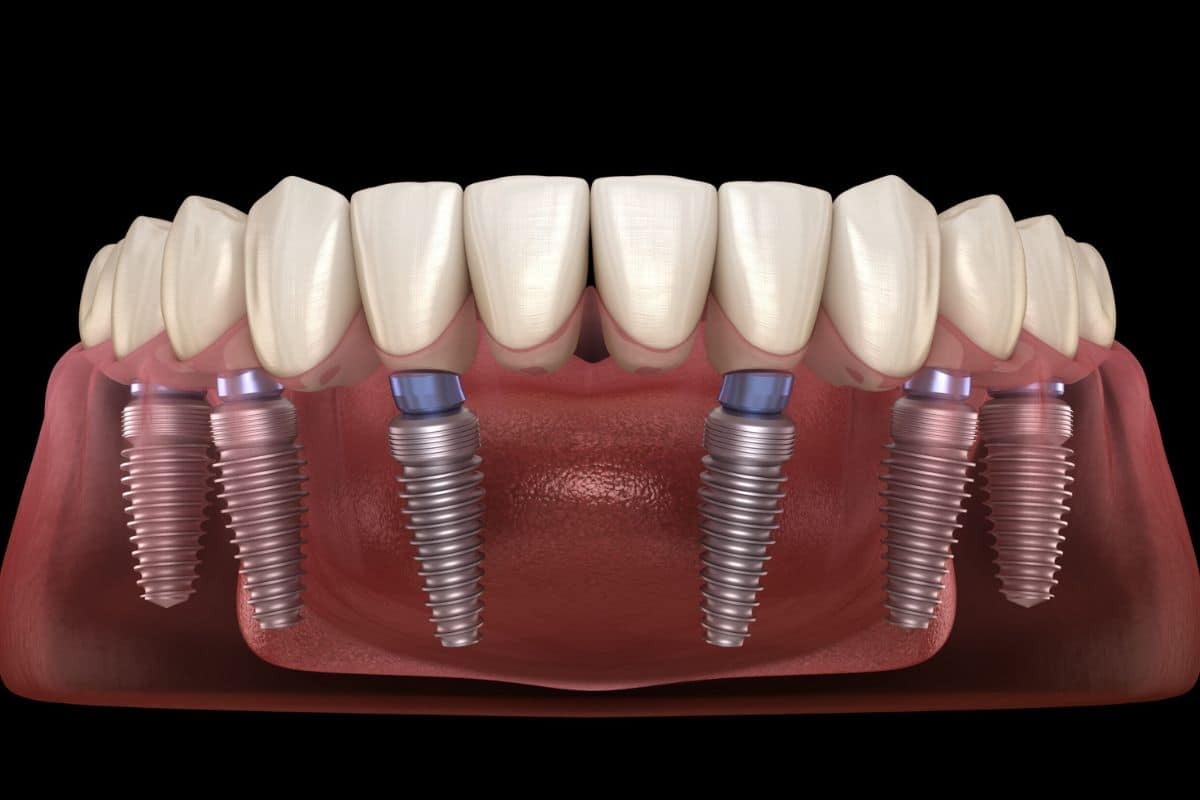
All-on-4 dental implants are a revolutionary solution for individuals who are missing most or all of their teeth. This technique involves placing four implants in the jaw to support a full set of teeth, providing a permanent, natural-looking solution that restores both function and appearance. However, before you commit to this procedure, it’s essential to consider several factors to ensure that it’s the right choice for you. Here are the top 8 factors to keep in mind before getting All-on-4 dental implants.
1. Overall Oral Health and Bone Density
All-on-4 dental implants require sufficient bone density to ensure proper implant placement and stability. If your jawbone has suffered significant deterioration due to tooth loss, gum disease, or aging, you may not have enough bone mass to support the implants. In some cases, bone grafts can help rebuild the bone before the procedure. Your dentist will evaluate your bone structure using imaging scans to determine whether All-on-4 implants are feasible for you or if additional treatments are necessary.
2. Age and General Health
While there is no specific age limit for All-on-4 implants, your overall health is an important factor in determining whether you are a suitable candidate. Healthy individuals, particularly those who are free of chronic conditions like uncontrolled diabetes or heart disease, tend to heal better after dental implant surgery. If you have any existing health issues, discuss them with your dentist or oral surgeon before moving forward with the procedure. They can advise on potential risks and the need for any medical management during the process.
3. The Cost of All-on-4 Implants
All-on-4 implants can be a significant investment. Although the price varies depending on location and the complexity of your treatment, it’s important to be aware of the total cost, which includes not only the implants themselves but also pre-surgical consultations, post-surgery care, and the final prosthetic teeth. Many dental practices offer financing options to make the procedure more affordable, but it’s essential to thoroughly review payment plans and insurance coverage before making a decision.
4. Your Long-Term Commitment to Oral Care
While All-on-4 implants are designed to be permanent, they still require long-term care and maintenance. This includes regular check-ups, proper oral hygiene, and potential adjustments over time. Unlike natural teeth, implants cannot decay, but maintaining good oral hygiene is essential to prevent complications like gum disease or implant failure. Make sure you’re committed to daily brushing, flossing, and scheduling regular dentist visits for maintenance.
5. Understanding the Recovery Process
The recovery time after getting All-on-4 implants can vary from person to person. While the implants are placed in one surgical procedure, it can take several months for the bone to fully integrate with the implants. You may need to follow specific postoperative instructions during the healing period, such as avoiding certain foods or using prescribed medications. Be prepared for any temporary discomfort and understand that full recovery could take several months. The sooner you understand the recovery process, the better you can plan for it.
6. Realistic Expectations for Aesthetic Results
One of the key advantages of All-on-4 implants is the ability to restore a full, natural-looking smile. However, it’s important to have realistic expectations about the outcome. While prosthetic teeth are designed to look and function like natural teeth, individual results can vary depending on the skills of the oral surgeon, the quality of the materials used, and your anatomy. Be sure to discuss your expectations with your dentist and ask to see before-and-after photos of previous All-on-4 patients to get a better sense of the potential outcome.
7. Alternatives to All-on-4 Implants
Although All-on-4 implants are an excellent choice for many people, they are not the only option for replacing missing teeth. Alternatives such as traditional dentures, All-on-6 implants, or implant-supported bridges may also be worth considering. Each option has its advantages and limitations, so it’s essential to discuss with your dentist which treatment plan will best suit your needs, budget, and lifestyle.
8. Choosing the Right Dental Professional
The success of your All-on-4 dental implant procedure largely depends on the experience and skill of the dental professional performing the surgery. When selecting an oral surgeon or implant dentist, ensure that they have a proven track record with All-on-4 procedures, along with relevant qualifications and certifications. Reading patient reviews, asking for referrals, and reviewing before-and-after images can help you make an informed decision about who will best meet your needs. A skilled professional will guide you through the process, address any concerns, and help ensure the best possible results.
All-on-4 dental implants can offer a life-changing solution for those seeking to restore their smile, improve their oral function, and enhance their quality of life. However, it’s crucial to carefully consider these eight factors before undergoing the procedure. By evaluating your oral health, understanding the recovery process, and choosing the right professional, you can make an informed decision about whether All-on-4 implants are the best option for you. Always consult with a trusted dentist or oral surgeon to discuss your specific needs and expectations.
If you’d like more information or would like to schedule a consultation, feel free to reach out to a dental professional today!
Would you like further details on any of these points, or do you have additional questions about the process?