
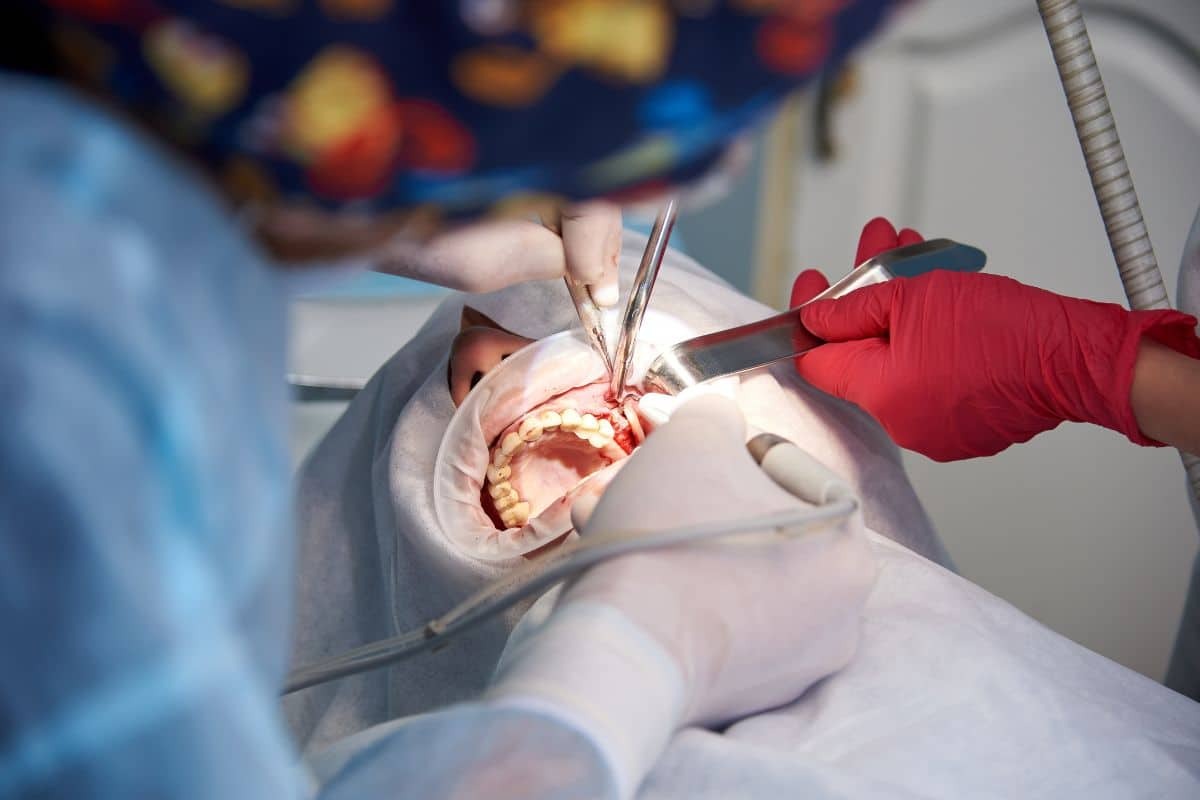
Gum disease, or periodontal disease, affects millions of people worldwide and can lead to serious oral health issues, including tooth loss and bone deterioration. When gum disease progresses beyond what can be managed with non-surgical treatments like scaling and root planing, osseous surgery may be recommended. This procedure aims to stop the progression of the disease, preserve existing bone, and improve oral health. Here, we’ll explore the effectiveness of osseous surgery, how it works, and the benefits it offers to patients dealing with advanced periodontal disease.
Understanding Osseous Surgery
Osseous surgery is a procedure aimed at treating the effects of advanced gum disease when pockets of bacteria and plaque accumulate around the teeth and lead to bone loss. When these pockets become deep, they are nearly impossible to clean with brushing, flossing, or professional cleanings alone, which allows bacteria to continue to thrive and damage the supporting structures of the teeth.
During osseous surgery, a periodontist (gum specialist) reshapes the bone and gum tissue to reduce the depth of the pockets, allowing for better long-term control of bacteria. This procedure not only removes the infected tissue but also contours the bone to fit closely around each tooth, which minimizes future bacterial buildup.
How Effective is Osseous Surgery?
1. Eliminates Deep Pockets
The primary goal of osseous surgery is to reduce the depth of the periodontal pockets. Studies have shown that reducing pocket depth effectively controls bacterial growth, helping patients maintain healthier gums and reduce the likelihood of disease recurrence. By removing infected tissue and reshaping the bone, osseous surgery minimizes the space where bacteria can accumulate, making it easier for patients to keep these areas clean. This significantly reduces the risk of further periodontal issues.
2. Stops Disease Progression
Osseous surgery is a highly effective way to halt the progression of gum disease. When gum disease reaches an advanced stage, it not only threatens the gums but also begins to impact the jawbone, potentially causing irreversible damage. By surgically removing the infected tissue and reshaping the bone, osseous surgery helps stabilize the jawbone and surrounding structures, preventing the disease from advancing further and protecting teeth from loosening or falling out.
3. Preserves Existing Bone
One of the biggest concerns in advanced periodontal disease is bone loss, which can lead to tooth mobility and eventual tooth loss. By performing osseous surgery, periodontists can preserve the remaining bone structure, giving the teeth a stronger foundation and reducing the need for additional procedures, such as bone grafting or tooth replacement. While osseous surgery does not restore lost bone, it creates a stable environment that can prevent further loss.
4. Improves Oral Health and Aesthetics
Patients who undergo osseous surgery often notice a marked improvement in the health of their gums, including reduced inflammation, swelling, and bleeding. These benefits help restore the appearance of the gums and provide a healthier, more attractive smile. Patients with healthier gums often experience improved confidence in their smiles and greater comfort when eating and speaking.
5. Increases the Success of Further Periodontal Treatments
For some patients with severe gum disease, osseous surgery is a crucial step that sets the stage for additional treatments, such as dental implants. By improving the stability of the bone and gum tissue, osseous surgery makes it possible for these patients to achieve long-term results from other restorative procedures. Moreover, by controlling the underlying disease, patients are less likely to experience complications from future dental work.
What to Expect from Osseous Surgery
While osseous surgery is effective, it is important to understand that it does not cure periodontal disease outright. Rather, it manages the disease by removing infected tissue and reducing the risk of recurrence. Patients will still need to follow a strict oral hygiene routine and attend regular dental checkups to keep their gums healthy after the procedure.
Procedure Overview:
- Anesthesia and Incision: The area to be treated is numbed, and an incision is made along the gumline to access the infected tissue and underlying bone.
- Cleaning and Reshaping: The periodontist removes the infected tissue, plaque, and calculus. The bone is then reshaped to create a smooth, even contour.
- Suturing: Once cleaned, the gums are repositioned, and sutures are placed to encourage proper healing.
- Post-Op Care: Patients will receive specific instructions for managing swelling, avoiding certain foods, and caring for the surgical site to promote healing.
Recovery:
After osseous surgery, patients may experience some mild swelling and discomfort, which usually subsides within a few days. A soft diet, avoiding hot or spicy foods, and gentle cleaning of the area will help support healing. Follow-up visits will allow the periodontist to monitor healing and remove sutures if necessary. Full recovery typically takes a few weeks, though most patients resume regular activities much sooner.
Benefits of Osseous Surgery vs. Non-Surgical Treatments
While non-surgical treatments like scaling and root planing are effective for early gum disease, osseous surgery offers several advantages for advanced cases:
- Longer-Lasting Results: By reducing pocket depth and reshaping the bone, osseous surgery offers more permanent results than scaling and root planing alone.
- Greater Access to Infected Areas: Non-surgical treatments are limited in their ability to reach deep pockets and irregular bone contours, whereas osseous surgery provides direct access to treat these areas thoroughly.
- Increased Comfort: Advanced gum disease can cause discomfort and pain. By controlling the disease, osseous surgery can alleviate these symptoms and improve the quality of life for patients.
Potential Limitations and Risks
As with any surgical procedure, osseous surgery carries some risks, including infection, temporary gum sensitivity, and changes in tooth appearance due to gum contouring. Additionally, some patients may experience slight gum recession, which can make teeth appear longer. Discussing these factors with your periodontist can help you understand the risks and benefits, allowing you to make an informed decision.
Is Osseous Surgery Right for You?
Osseous surgery is a highly effective treatment for managing advanced gum disease, offering patients a chance to stop the disease progression, preserve bone structure, and maintain oral health. While it requires a commitment to post-operative care and maintenance, the results can be life-changing for those struggling with the effects of periodontal disease. If you’re experiencing symptoms of advanced gum disease, such as deep pockets, swelling, or loose teeth, consulting with a periodontist can help you determine whether osseous surgery is the right choice to restore your smile and protect your long-term oral health.
With professional guidance and consistent care, osseous surgery can be an excellent solution for achieving a healthier, more stable smile.
