
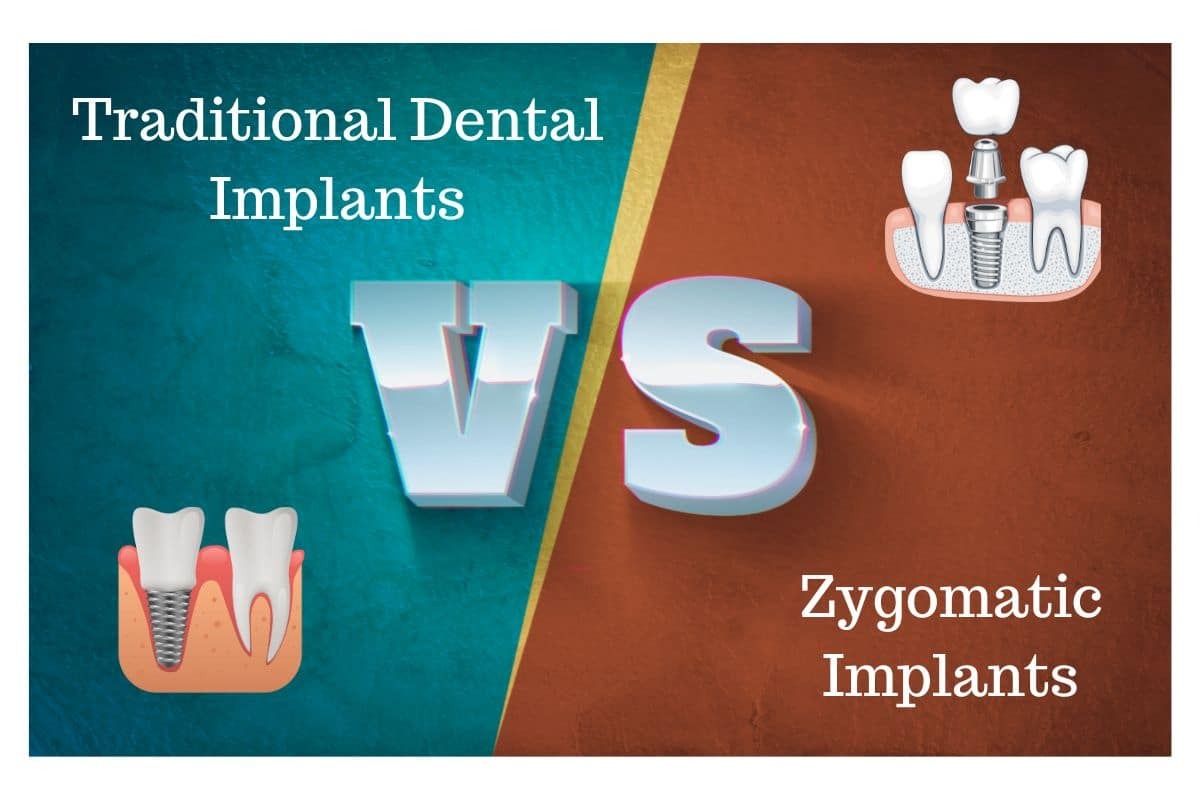
When it comes to restoring missing teeth, dental implants have become the gold standard due to their durability, functionality, and aesthetic appeal. However, not all dental implants are created equal. Depending on your specific dental needs and the condition of your jawbone, your dentist or oral surgeon may recommend either traditional dental implants or zygomatic implants.
In this blog, we’ll explore the key differences between traditional dental implants and zygomatic implants, how each works, and which option might be right for you.
What Are Traditional Dental Implants?
Traditional dental implants are titanium posts that are surgically placed into the jawbone to replace the root of a missing tooth. Over time, the implant fuses with the bone through a process called osseointegration, creating a stable foundation for a dental crown, bridge, or denture.
Who Are They For?
Traditional dental implants are ideal for patients with healthy gums and sufficient bone density in their jaw to support the implant. They are commonly used for single-tooth replacements or full-arch restorations, such as “Teeth in a Day.”
Key Features of Traditional Dental Implants
- Bone Requirement: Traditional implants require a significant amount of healthy jawbone to secure the post. If the bone has deteriorated due to tooth loss or gum disease, a bone graft might be necessary before implants can be placed.
- Healing Time: After the implant is placed, it typically takes 3 to 6 months for the bone to fuse to the implant before the final crown or prosthesis is attached.
- Procedure: Traditional implant placement is usually done in two stages. First, the implant is surgically placed in the bone. Once healing is complete, the abutment and crown are attached.
- Success Rate: Traditional implants have a very high success rate, especially in patients with sufficient bone density and good oral health.
What Are Zygomatic Implants?
Zygomatic implants are a specialized type of dental implant designed for patients who lack sufficient bone in the upper jaw, particularly in the posterior region near the molars. Instead of being anchored into the jawbone, zygomatic implants are longer and are anchored directly into the zygomatic (cheek) bone, which is denser and more robust than the jawbone.
Who Are They For?
Zygomatic implants are typically recommended for patients who have severe bone loss in the upper jaw and are not good candidates for traditional dental implants. They are often used as an alternative to bone grafting procedures or for patients who want to avoid the lengthy healing times associated with traditional methods.
Key Features of Zygomatic Implants
- No Bone Grafting Required: Unlike traditional implants, zygomatic implants don’t require bone grafting or sinus lifts, making them an excellent option for patients with significant bone loss in the upper jaw.
- Immediate Function: Zygomatic implants can often support a fixed set of teeth immediately after surgery, allowing for faster restoration and functionality. This is commonly referred to as “Teeth in a Day.“
- Procedure: The zygomatic implant procedure is more complex than traditional implant placement. The implants are anchored into the zygomatic bone, requiring precise planning and advanced surgical expertise.
- Healing Time: Healing can be quicker in the sense that patients may receive their prosthetic teeth sooner, but as with any surgical procedure, complete healing will still take several months. The dense zygomatic bone, however, provides immediate stability.
- Success Rate: Zygomatic implants have a high success rate, particularly for patients with severe upper jawbone loss. Because the cheekbone is denser than the jawbone, the implants are securely anchored.
Key Differences Between Traditional and Zygomatic Implants
1. Bone Requirements
- Traditional Implants: Require sufficient jawbone density to ensure the implant integrates properly. Bone grafting is often needed when the bone has deteriorated.
- Zygomatic Implants: Anchor into the zygomatic (cheek) bone, bypassing the need for jawbone density. This eliminates the need for bone grafts or sinus lifts in most cases.
2. Placement Location
- Traditional Implants: Placed in the jawbone (mandible or maxilla) at the site of the missing tooth.
- Zygomatic Implants: Placed in the cheekbone (zygomatic bone), typically when there is a lack of bone in the upper jaw.
3. Procedure Complexity
- Traditional Implants: Generally a simpler, more straightforward procedure, especially when enough bone is present.
- Zygomatic Implants: More complex and requires a skilled oral surgeon with experience in this specialized procedure.
4. Healing Time
- Traditional Implants: May require several months for healing, particularly if bone grafting or sinus lifts are necessary before placing the implants.
- Zygomatic Implants: Healing time is reduced, and many patients can receive fixed teeth immediately after surgery.
5. Suitability
- Traditional Implants: Best for patients with adequate jawbone and no significant bone loss. Bone grafting may be required in cases of bone deterioration.
- Zygomatic Implants: Ideal for patients with severe upper jawbone loss who are not candidates for bone grafting or prefer a faster, more efficient solution.
Which Option Is Right for You?
The choice between traditional dental implants and zygomatic implants depends on several factors, including your bone density, oral health, and personal preferences. If you have sufficient bone in your jaw and are looking for a straightforward, long-lasting tooth replacement option, traditional dental implants are a great choice.
On the other hand, if you have experienced significant bone loss in your upper jaw or want to avoid bone grafting, zygomatic implants might be the better option for you. Zygomatic implants provide an efficient and effective alternative for patients who would otherwise not qualify for traditional implants.
Traditional dental and zygomatic implants offer life-changing solutions for restoring missing teeth, but they serve different purposes depending on the patient’s oral health needs. By understanding the differences, you can have an informed conversation with your dentist or oral surgeon about the best course of action for your specific situation.
Whether you opt for traditional implants or zygomatic implants, both options can provide you with a functional, natural-looking smile that enhances your quality of life.
