
Dental implants have revolutionized modern dentistry, offering a permanent solution for replacing missing teeth. However, for implants to be successful, they require a solid foundation of healthy bone in the jaw. If a patient has experienced bone loss, placing an implant can be challenging. That’s where ridge augmentation comes in. This procedure restores the lost bone, making it a critical prerequisite for successful implant placement. In this blog, we’ll explore what ridge augmentation is, why it’s necessary, and how it ensures the long-term success of dental implants.
What Is Ridge Augmentation?
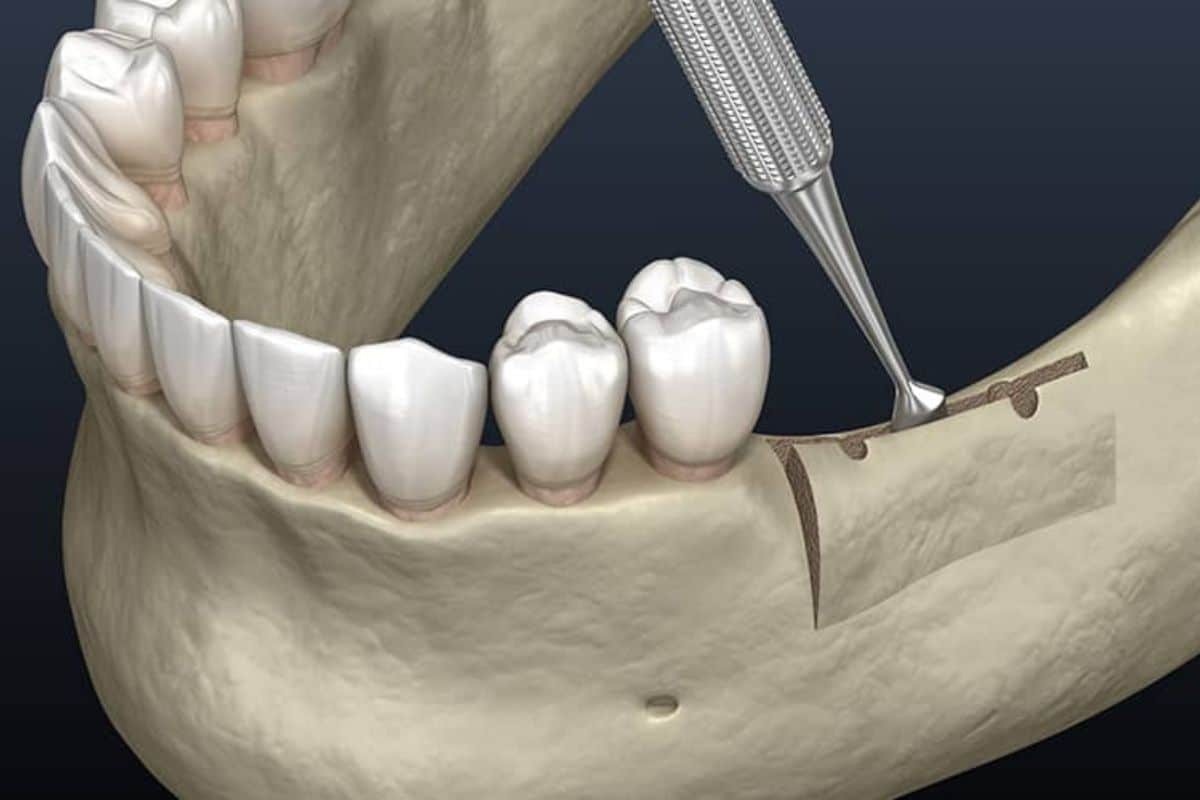
Ridge augmentation is a surgical procedure that involves rebuilding or restoring the natural contours of the jawbone, often in areas where the bone has deteriorated. The jawbone ridge is the area that surrounds and supports your teeth. When teeth are lost due to trauma, decay, or periodontal disease, the bone that once held them in place can begin to resorb, or shrink.
The loss of this bone can create issues for those looking to get dental implants, as implants require sufficient bone for stability. Ridge augmentation helps by adding bone material to the affected areas, preparing the site for implant placement.
Why Is Ridge Augmentation Necessary for Implant Placement?
Dental implants are surgically placed into the jawbone, where they fuse with the bone through a process called osseointegration. This fusion is crucial for the implant to act like a natural tooth root, providing a stable base for crowns, bridges, or dentures.
If there isn’t enough bone density or volume, the implant may not have the support it needs to stay in place, potentially leading to implant failure. The benefits of ridge augmentation before implant placement include:
- Creating Adequate Bone Support
- Ridge augmentation ensures that there is enough bone to properly hold the implant, increasing the chances of osseointegration and long-term success.
- Improving Aesthetics
- Bone loss can lead to changes in facial structure, causing a “sunken” appearance around the mouth and cheeks. Restoring the ridge not only prepares for implant placement but also enhances facial aesthetics by providing the necessary support for natural-looking teeth and gums.
- Preventing Further Bone Loss
- By placing bone grafts in areas where the jawbone has deteriorated, ridge augmentation helps prevent additional bone loss, setting the foundation for a healthy jaw and overall oral health.
How Does Ridge Augmentation Work?
Ridge augmentation involves adding bone material to areas where the ridge has become too narrow or too shallow for implant placement. Here’s a step-by-step guide to how the procedure works:
- Consultation and Planning
- The process begins with a thorough evaluation by a dentist or oral surgeon. This includes X-rays, CT scans, or other imaging to assess the extent of bone loss and to create a detailed treatment plan.
- Bone Graft Material Selection
- The bone graft material used for ridge augmentation can come from several sources, including:
- Autografts: Bone taken from the patient’s own body (often from another part of the jaw or hip).
- Allografts: Bone from a human donor (typically processed and sterilized for safety).
- Xenografts: Bone from an animal source, usually bovine.
- Synthetic grafts: Biocompatible materials designed to mimic natural bone.
- The bone graft material used for ridge augmentation can come from several sources, including:
- Surgical Procedure
- During surgery, the dentist makes an incision in the gum to expose the jawbone. The graft material is then placed in the area where bone is deficient, and it is carefully shaped to restore the ridge to its natural dimensions.
- In some cases, membranes or collagen plugs are used to protect the graft and encourage healing.
- After placing the graft, the gum is sutured, and the healing process begins.
- Healing and Bone Integration
- The healing period typically lasts several months (4-6 months), during which the graft integrates with the surrounding bone, forming a solid and stable ridge. During this time, new bone growth is stimulated, creating a foundation strong enough to support dental implants.
- Implant Placement
- Once the bone has healed and the ridge is fully restored, dental implants can be placed with the confidence that there is sufficient bone support. This leads to higher success rates and longer-lasting results.
Benefits of Ridge Augmentation
Ridge augmentation is essential for patients who have suffered from bone loss but wish to pursue dental implants. Here are the key benefits:
- Restores Bone Volume
- It rebuilds the necessary bone structure to support dental implants, giving patients the opportunity to replace missing teeth with a stable, durable solution.
- Improves Implant Success Rates
- Without enough bone, dental implants are more likely to fail. By performing ridge augmentation beforehand, the likelihood of successful osseointegration and long-lasting implants is greatly increased.
- Prevents Future Bone Deterioration
- The procedure not only prepares for implant placement but also helps to maintain bone density, preventing further bone loss in the future.
- Enhances Aesthetic Results
- Ridge augmentation ensures that dental implants look natural by creating a full, contoured ridge that supports the gums and mimics the appearance of natural teeth.
- Supports Overall Oral Health
- By restoring the bone, ridge augmentation also helps to preserve the surrounding teeth, jawbone, and facial structure, contributing to long-term oral health.
Is Ridge Augmentation Right for You?
If you’ve experienced bone loss due to missing teeth, gum disease, or trauma and are considering dental implants, your dentist may recommend ridge augmentation as part of your treatment plan. The ideal candidates for ridge augmentation are:
- Patients who have lost teeth and experienced significant bone loss.
- Those looking to get dental implants but have insufficient bone structure to support them.
- Patients in good general health, free of conditions that could impair healing, such as uncontrolled diabetes or severe gum disease.
Your dentist or oral surgeon will perform a thorough evaluation to determine whether ridge augmentation is necessary and how it can benefit you.
Ridge augmentation is a critical step in ensuring the success of dental implants, particularly for patients with bone loss. By restoring the lost bone and creating a solid foundation, this procedure improves the chances of successful implant placement and enhances the overall aesthetic and functional outcome. If you’re considering dental implants but have been told you lack sufficient bone, ridge augmentation may be the solution you need to achieve a healthy, beautiful smile. Always speak with Dr. Jason Augustine DDS to discuss your options and determine the best treatment strategy for your oral health requirements.
