
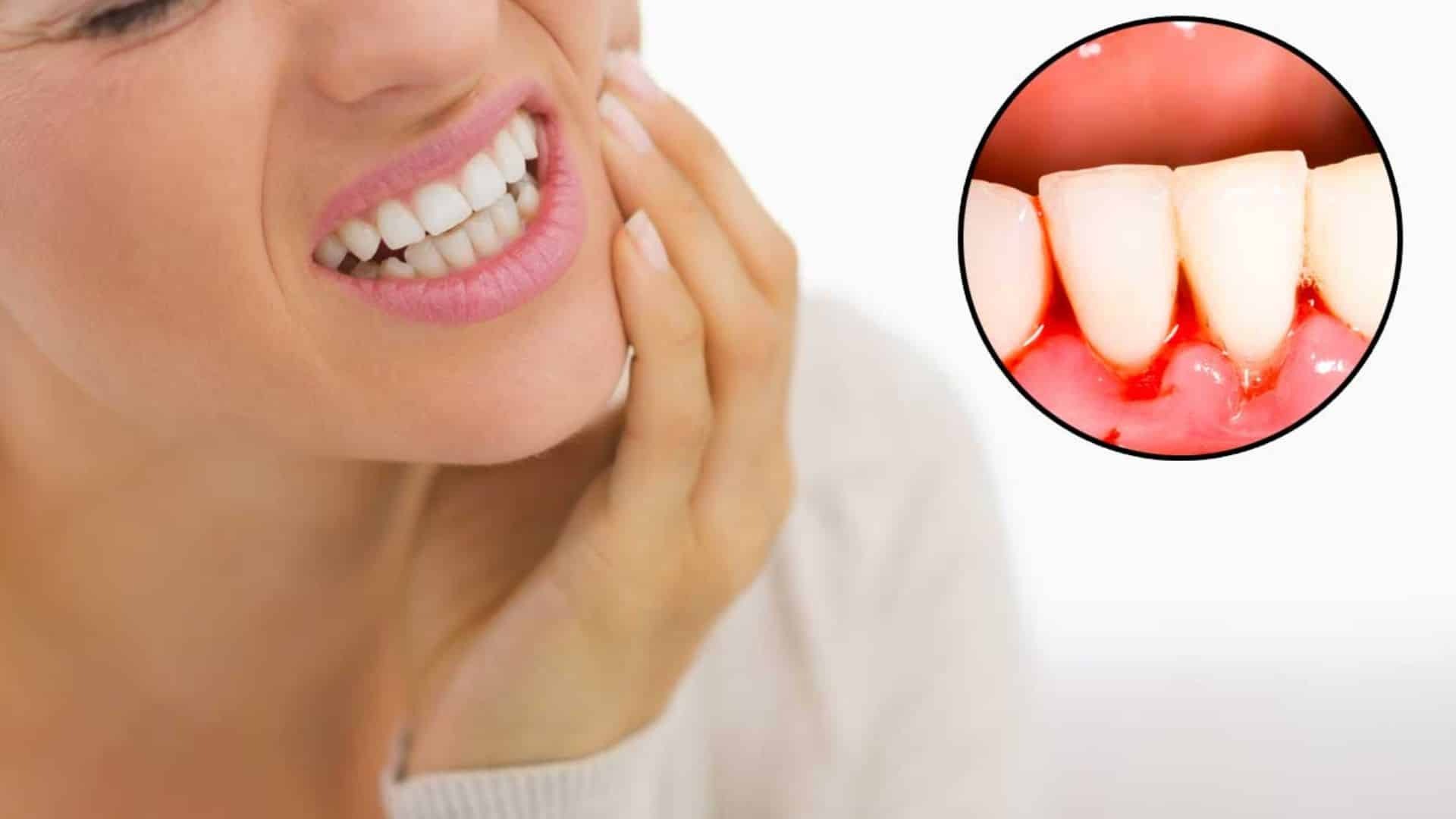
Periodontal disease, commonly known as gum disease, is a prevalent oral health condition that affects millions of people worldwide. If left untreated, it can lead to serious complications such as tooth loss and systemic health issues. Fortunately, with early detection and appropriate treatment, periodontal disease can be managed effectively. In this article, we’ll explore everything you need to know about treating periodontal disease, including its causes, symptoms, and treatment options.
Understanding Periodontal Disease
Periodontal disease is a bacterial infection that affects the gums and supporting structures of the teeth. It typically begins with the accumulation of plaque—a sticky film of bacteria—on the teeth and along the gumline. If plaque is not removed through proper oral hygiene practices, it can harden into tartar, which harbors even more bacteria and contributes to gum inflammation and infection. Over time, periodontal disease can cause the gums to recede, teeth to become loose, and bone loss in the jaw.
Symptoms of Periodontal Disease
The signs and symptoms of periodontal disease can vary depending on the severity of the condition but may include:
- Swollen, tender, or bleeding gums
- Persistent bad breath
- Receding gums or pockets between the teeth and gums
- Loose or shifting teeth
- Changes in the fit of dentures or bridges
- Pain or discomfort while chewing
Treatment Options for Periodontal Disease
- Professional Dental Cleaning: The first step in treating periodontal disease is professional dental cleaning, also known as scaling and root planing. During this procedure, your dentist or dental hygienist will remove plaque and tartar from the surfaces of your teeth and below the gumline, smoothing out rough areas on the tooth roots to promote healing.
- Antibiotic Therapy: In some cases, your dentist may prescribe antibiotic medications to help control bacterial infection and reduce inflammation in the gums. Antibiotics may be administered orally, topically, or as part of a periodontal pocket irrigation procedure.
- Surgical Interventions: For advanced cases of periodontal disease, surgical interventions may be necessary to restore gum health and prevent further damage. Common surgical procedures include flap surgery, in which the gums are lifted back to allow deep cleaning of the tooth roots, and bone or tissue grafting to regenerate lost bone or gum tissue.
- Ongoing Maintenance: Once periodontal disease has been treated, it’s essential to maintain good oral hygiene habits and schedule regular dental check-ups and cleanings to prevent recurrence. Your dentist may recommend more frequent cleanings and periodontal maintenance visits to monitor your gum health and provide additional treatment as needed.
Preventing Periodontal Disease
While periodontal disease can be treated effectively, prevention is always better than cure. To reduce your risk of developing gum disease, practice good oral hygiene habits such as brushing your teeth twice a day, flossing daily, and using an antiseptic mouthwash. Additionally, avoid smoking or using tobacco products, eat a balanced diet rich in fruits and vegetables, and schedule regular dental check-ups to catch any signs of gum disease early.
Periodontal disease is a serious oral health condition that requires prompt treatment to prevent further damage and complications. By understanding the causes, symptoms, and treatment options for periodontal disease, you can take proactive steps to protect your gum health and maintain a beautiful smile for years to come. If you suspect you may have gum disease or have concerns about your oral health, don’t hesitate to consult with your dentist for personalized advice and gum disease treatment recommendations.
