
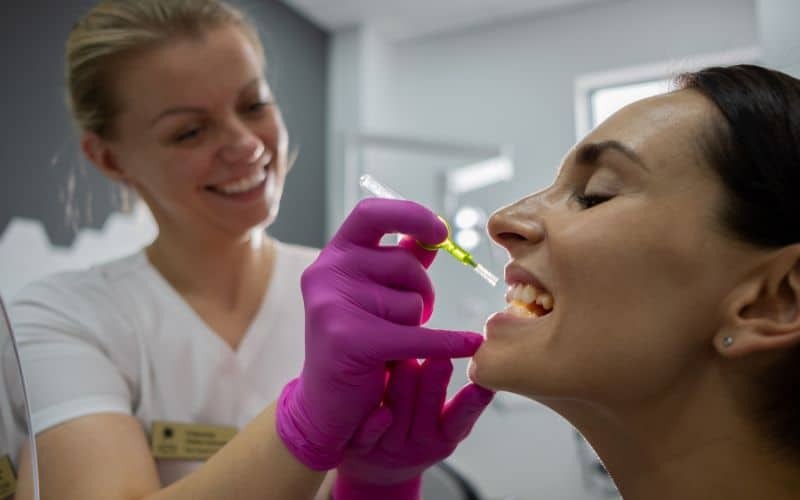
Welcome to our blog, where we dive into the fascinating world of periodontics! Today, we’ll be exploring a vital procedure that can restore your oral health and give you back the confidence to smile brightly: bone grafting. If you’re seeking expert care for your dental needs, this article is tailor-made for you. We’ll explain what bone grafting entails, why it may be necessary, and how finding the right periodontist can make all the difference. So sit back, relax, and let us guide you on this enlightening journey towards a healthier mouth!
Understanding the Role of a Periodontist
A periodontist, often referred to as a gum specialist, plays a critical role in maintaining the health of your teeth and gums. They are dental professionals who specialize in diagnosing, treating, and preventing diseases that affect the supporting structures of the teeth. While general dentists focus on overall oral health, periodontists have advanced training specifically tailored to address issues related to gum disease and bone loss.
Periodontists possess an extensive understanding of the complex structures surrounding the teeth, including the gums and jawbone. Their expertise allows them to identify early signs of gum disease, such as inflammation or recession, and develop effective treatment plans accordingly.
In addition to treating existing conditions, periodontists also play a crucial role in preventive care. Through routine check-ups and cleanings, they can help detect any potential problems before they escalate into more serious conditions. Furthermore, if you require specialized procedures like dental implants or bone grafting for tooth replacement or restoration purposes – a skilled periodontist is your go-to professional.
So whether you’re dealing with gum disease or seeking preventative care to safeguard your oral health for years to come, consulting with a reputable periodontist is essential. With their expertise and dedication to optimizing your smile’s wellbeing,
you can rest assured knowing that you’ll receive top-notch care tailored specifically for your unique needs.
What is Bone Grafting?
Bone grafting is a procedure used in dentistry to restore and strengthen the jawbone. But what exactly is bone grafting?
In simple terms, it involves taking bone from one area of the body (or using synthetic or donated bone) and placing it in the area where new bone growth is desired. This can help stimulate the body’s natural healing process and promote the growth of new, healthy bone tissue.
There are various reasons why someone may need a bone graft. One common reason is when there has been significant damage to the jawbone due to periodontal disease or tooth loss. In these cases, a bone graft can provide support for dental implants or other restorative procedures.
The process of bone grafting typically begins with an initial consultation with a periodontist who will assess your oral health and determine if you are a candidate for this type of procedure. If so, they will develop a personalized treatment plan tailored to your specific needs.
During the actual procedure, anesthesia will be administered to ensure your comfort. The periodontist will then make an incision in your gum tissue to expose the affected area before carefully placing the graft material into position. Over time, this material fuses with your existing bone structure, creating a solid foundation for future dental work.
While there are risks associated with any surgical procedure, such as infection or prolonged healing time, many patients find that the benefits outweigh these potential drawbacks. Bone grafting can improve both function and aesthetics by restoring lost volume in the jawbone and providing stability for dental prosthetics.
If you’re considering undergoing a bone grafting procedure in Phoenix, it’s crucial to find an experienced periodontist who specializes in this technique. They should have extensive training and expertise in implant dentistry and be able to address any concerns you may have throughout each step of the process.
Understanding what exactly is involved in bone grafting can help alleviate any fears or uncertainties you may have. By seeking out a qualified periodontist.
Reasons for Needing a Bone Graft
Bone grafting is a commonly performed procedure that may be necessary for various reasons. One of the main reasons why someone might need a bone graft is if they have experienced significant bone loss in their jaw due to periodontal disease. Periodontal disease can cause the jawbone to deteriorate, which can then lead to tooth loss and other oral health issues.
Additionally, individuals who have lost teeth or have had teeth extracted may also require a bone graft. When a tooth is missing, the surrounding jawbone no longer has stimulation from chewing and biting forces, causing it to shrink over time. This shrinkage can result in difficulties when it comes to replacing missing teeth with dental implants.
Furthermore, trauma or injury to the jawbone may necessitate a bone graft as well. In these cases, the damaged area of the jaw needs support and reinforcement for proper healing and restoration.
There are several reasons why someone might need a bone graft, whether it’s due to periodontal disease, tooth extraction, or trauma. Consulting with an experienced periodontist will help determine if you are a candidate for this procedure and guide you through your treatment options.
The Process of Bone Grafting
The process of bone grafting is a complex and important procedure performed by periodontists to restore missing or damaged bone in the jaw. This procedure is commonly used in dental implant treatments, as it provides a solid foundation for implants to be placed.
The periodontist will thoroughly evaluate your oral health and determine if you are a suitable candidate for bone grafting. They will also discuss the various types of bone graft materials available and help you decide which option is best for you.
During the actual procedure, the periodontist will make an incision in your gum tissue to expose the underlying jawbone. They will then carefully place the bone graft material onto the affected area and secure it with sutures. Over time, new bone cells will gradually grow around and integrate with the graft material, creating a strong and stable base.
Afterwards, it’s crucial to follow all post-operative instructions provided by your periodontist. This may include certain dietary restrictions or changes in oral hygiene routines to promote optimal healing.
Bone grafting can significantly improve your oral health by restoring lost jawbone structure. However, like any surgical procedure, there are potential risks involved, such as infection or allergic reactions to anesthesia or graft materials. It’s important to discuss these risks with your periodontist beforehand.
Undergoing bone grafting can be a vital step towards achieving a healthy smile and successful dental implant treatment. Trusting an experienced periodontist is key when considering this procedure due to their specialized expertise and knowledge in performing successful bone grafts
Benefits and Risks of Bone Grafting
Bone grafting is a surgical procedure that offers several benefits for individuals who require dental implants or have experienced bone loss in their jaw. One major advantage of bone grafting is its ability to provide support and stability for dental implants, ensuring a successful outcome.
By placing bone material into the affected area, a periodontist can stimulate new bone growth and restore volume and density to the jawbone. This not only improves the appearance of the smile but also enhances overall oral function.
Another benefit of bone grafting is that it increases the success rate of dental implant procedures. When there is insufficient natural bone available to support an implant, a graft helps create a strong foundation for long-term stability.
In addition to these functional advantages, undergoing a bone graft can also improve facial aesthetics by preventing further deterioration of the facial structure caused by bone loss. By restoring lost bone tissue, patients may experience an enhancement in their facial contours and achieve a more youthful appearance.
Risks Associated with Bone Grafting
Although generally considered safe, like any surgical procedure, there are certain risks associated with bone grafting. These risks include infection at the site of surgery, bleeding or bruising around the treated area, nerve damage resulting in numbness or tingling sensations, as well as potential complications with anesthesia administration.
It’s important for patients considering this procedure to discuss these risks thoroughly with their periodontist beforehand so they can make an informed decision about whether or not it’s suitable for them. Additionally, following post-operative instructions provided by your periodontist will help minimize any potential complications during healing and recovery.
Understanding both the benefits and risks associated with bone grafting allows patients to weigh their options carefully before proceeding with this treatment. With proper evaluation from an experienced periodontist and diligent adherence to pre- and post-operative care instructions, many individuals find that undergoing bone grafting is a worthwhile investment in their oral health and overall well-being.
Finding the Right Periodontist
Finding the right periodontist is an essential step towards ensuring your oral health and well-being. With so many options available, it can be overwhelming to know where to start. However, with a little research and consideration, you can find the perfect periodontist for your needs.
One of the first things to consider when looking for a periodontist is their qualifications and experience. Look for someone who has specialized training in periodontology and has been practicing for several years. This will give you confidence that they have the necessary skills and knowledge to provide quality care.
Another important factor to consider is the reputation of the periodontist. Take some time to read reviews or ask for recommendations from friends or family members who have had dental procedures done before. A good reputation often speaks volumes about a practitioner’s expertise and patient satisfaction.
Additionally, it’s crucial to find a periodontist who makes you feel comfortable and at ease during your visits. Dental treatments can sometimes be intimidating, so finding someone with excellent communication skills who takes the time to explain procedures thoroughly can make all the difference in your experience.
Don’t forget about practical considerations such as location and office hours. Choosing a conveniently located practice with flexible appointment times will ensure that attending regular check-ups or emergency visits won’t become inconvenient or stressful.
By taking these factors into account when searching for a periodontist, you’ll be on your way towards finding a professional whom you trust wholeheartedly with your oral health needs!
In this blog post, we have explored the important role that a periodontist plays in oral health and specifically how they can help with bone grafting. Bone grafting is a procedure that involves restoring lost or damaged bone tissue in the jaw, which is necessary for various dental treatments such as dental implants.
There are several reasons why someone may need a bone graft, including tooth loss, gum disease, trauma to the jawbone, or congenital defects. A skilled periodontist can assess your specific situation and determine if bone grafting is necessary to restore functionality and aesthetics to your smile.
The process of bone grafting involves taking donor material from either your own body or a synthetic source and placing it into the affected area. Over time, new bone cells grow around the graft material, creating a strong foundation for future dental procedures.
While there are risks associated with any surgical procedure, such as infection or rejection of the graft material, choosing an experienced periodontist reduces these risks significantly. Additionally, the benefits of undergoing bone grafting far outweigh the potential complications. The restored jawbone provides stability for dental implants and improves overall oral health.
If you are considering undergoing a bone graft or require periodontal care, it’s crucial to find the right specialist who has expertise in both diagnosis and treatment planning. Look for qualifications like board certification and years of experience in performing successful bone graft procedures.
Working with a knowledgeable periodontist will ensure that you receive high-quality care tailored to your individual needs. With their expertise and skillful approach to restoring healthy jawbone structure through techniques like bone grafting, you can achieve optimal oral health outcomes.
Don’t let concerns about missing or damaged jawbone hold you back from seeking proper treatment! Consult with a reputable periodontist today so they can guide you on whether bone grafting is right for you. Your smile deserves nothing but exceptional care from qualified professionals who prioritize your oral health and well-being.
