
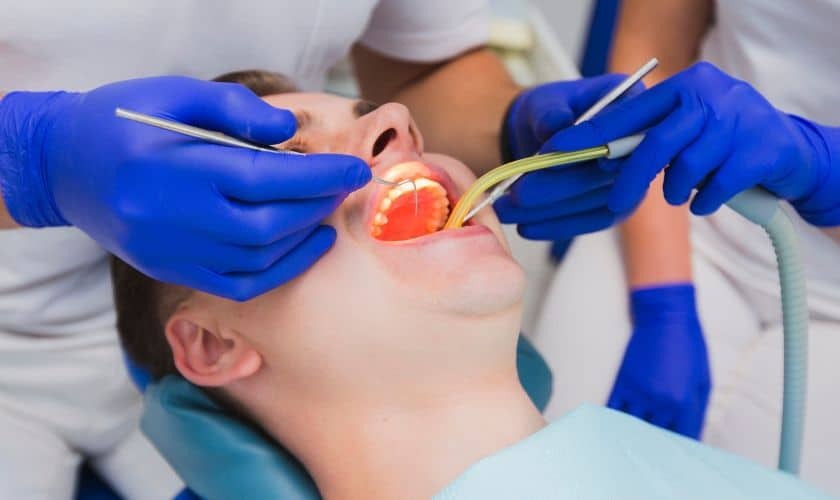
Are your gums receding, or do you have deep pockets around your teeth that are causing discomfort and pain? If so, osseous surgery may be the solution for you. But what exactly is osseous surgery, and how can it help improve your oral health? In this blog post, we will dive into everything you need to know about osseous surgery, from its types to what to expect during and after the procedure. So sit back, relax, and let’s explore the world of osseous surgery together!
What is osseous surgery?
Osseous surgery is a type of dental procedure that aims to treat periodontal disease. This surgical technique involves the removal of damaged gum tissue and the reshaping of the bones surrounding the teeth to promote healthy bone growth.
Periodontitis, or gum disease, can cause damage to the supporting structures of your teeth, such as the gums, ligaments, and bones. If left untreated, it can lead to tooth loss. Osseous surgery serves as a treatment option for patients who have advanced stages of this condition.
The procedure typically involves local anesthesia and may require multiple appointments, depending on how severe the problem is. During the operation, your dentist will make small incisions in your gums and remove any excess tissue before restructuring your jawbone if necessary.
After completing osseous surgery, you will be required to strictly follow specific post-operative care instructions. Proper oral hygiene practices like brushing twice a day and flossing daily are essential during recovery after osseous surgery.
Osseous surgery has proven effective in treating advanced cases of periodontal disease, leading to healthier teeth and improved overall oral health for individuals suffering from this condition.
Types of Osseous Surgery
Osseous surgery is a dental procedure that involves the reshaping of bone and gum tissue around teeth. There are different types of osseous surgery, depending on the specific needs of the patient.
One type is called “pocket depth reduction surgery.” This procedure involves making incisions in the gums to access deeper pockets between the teeth and gums. The surgeon will then remove any damaged tissue and reshape the bone to reduce pocket depth.
Another type is called crown lengthening surgery. This procedure involves removing gum tissue and/or bone in order to expose more of a tooth’s surface area. Crown lengthening can help prepare a tooth for certain restorative procedures, such as crowns or bridges.
Bone grafting is another common type of osseous surgery that involves adding synthetic or natural bone material to areas where it has been lost due to disease or injury.
There are various types of osseous surgeries available, designed specifically for each individual patient’s oral health needs. It’s important to discuss with your dentist which type may be best suited for you prior to undergoing treatment!
What to expect during surgery
During osseous surgery, you can expect to be given anesthesia. Your dentist or periodontist will discuss with you which type of anesthesia they recommend based on your medical history and the extent of the surgery.
Once the anesthesia takes effect, your dentist or periodontist will make incisions in your gums to access the affected area. They will then begin to remove any diseased tissue and reshape any damaged bone.
Depending on the extent of your surgery, you may also receive bone grafts or other regenerative materials to help promote new bone growth.
After reshaping the bone and removing all diseased tissue, sutures are placed in order to promote proper healing. In most cases, dissolvable stitches are used that do not require removal.
Osseous surgery might take longer than other dental procedures depending on how much work is needed; it could last several hours if multiple areas have been identified as needing treatment.
It’s important to remember that everyone’s experience during osseous surgery can vary depending on a wide range of factors, such as personal pain tolerance and individual response to anesthesia.
After surgery recovery
After surgery, the recovery process is just as important as the procedure itself. It’s essential to follow your dentist’s or periodontist’s post-op instructions carefully to ensure a smooth and successful healing process.
During the first few days after osseous surgery, it’s normal to experience some pain and swelling. You may be prescribed pain medication or given over-the-counter options such as ibuprofen. Applying ice packs can also help reduce swelling.
It’s crucial not to brush or floss around the surgical site for at least a week after surgery, but you should continue brushing and flossing your other teeth regularly. Your dentist may recommend using an antimicrobial mouthwash during this time instead of traditional oral hygiene methods.
You’ll likely have a follow-up appointment with your dentist or periodontist within one or two weeks of your procedure. During this visit, they will check on how well you’re healing and remove any sutures if necessary.
In general, it can take up to three months for full healing after osseous surgery. During this time, you should avoid smoking and consuming alcohol, as these habits can delay healing.
By following all post-op instructions from your dental professional thoroughly, you’ll significantly improve your chances of recovering fully without complications and enjoying better oral health in the long run.
Risks of osseous surgery
As with any surgical procedure, osseous surgery carries some risks. While these risks are relatively low, it is important to be aware of them before undergoing the procedure.
One potential risk is infection at the surgical site. Your dentist or periodontist will take precautions to minimize this risk, such as prescribing antibiotics and providing detailed post-operative care instructions.
Another possible risk is damage to neighboring teeth or structures. However, your healthcare provider will carefully plan and execute the surgery to minimize this potential outcome.
Some patients may experience sensitivity or pain after the surgery, but this can often be managed with pain medication prescribed by your healthcare provider.
There is a small chance that osseous surgery may not provide the desired outcome. In rare cases, additional procedures or treatments may be necessary.
While there are some risks associated with osseous surgery, they are generally minimal and easily managed by an experienced healthcare team.
Summary
In summary, osseous surgery is a dental procedure that can help treat gum disease. It involves removing the infected tissue and reshaping the bone around a tooth to prevent further damage.
There are two types of osseous surgery: flap surgery and pocket reduction surgery. Both have their benefits and risks, so it’s important to discuss with your dentist which one may be right for you.
During the surgery, patients are typically given local anesthesia to numb the area. Afterward, there will be some discomfort and swelling, but these symptoms can usually be managed with pain medication.
It’s essential to follow post-operative instructions carefully for a smooth recovery. Patients should also maintain good oral hygiene habits like brushing twice daily and flossing regularly to avoid future gum infections.
While there are risks associated with osseous surgery, such as infection or bleeding, they are relatively low in comparison to leaving periodontal disease untreated.
If you’re experiencing signs of advanced gum disease, such as swollen gums or persistent bad breath, osseous surgery may be worth considering. Talk with your dentist today about whether this treatment option could benefit you!
