
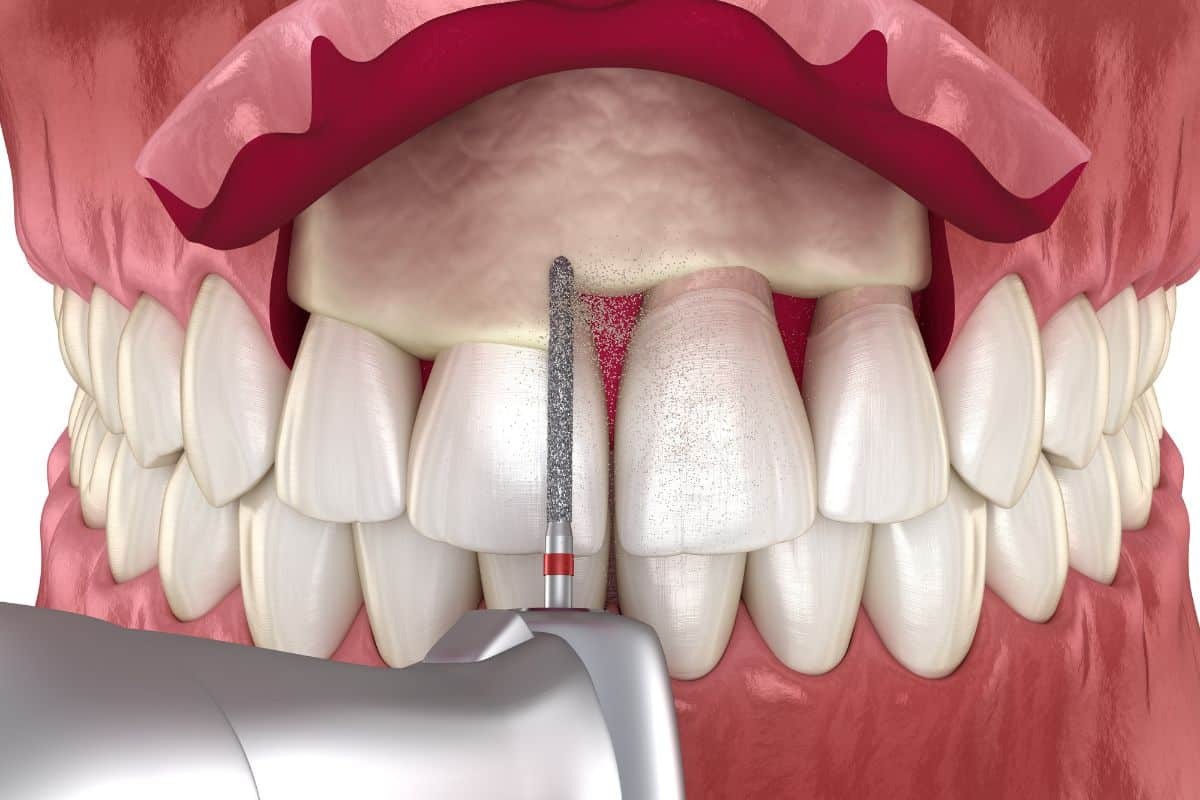
Welcome to our comprehensive guide to crown lengthening! If you’re looking for a way to improve your smile and enhance the overall health of your teeth and gums, this procedure may be just what you need. Crown lengthening is a cosmetic dental treatment that involves removing excess gum tissue from around the base of your teeth, allowing them to appear longer and more symmetrical. But it’s not just about aesthetics; crown lengthening can also help prevent tooth decay, gum disease, and other oral health issues. In this post, we’ll explore everything you need to know about crown lengthening—its benefits, how it works, and who’s a good candidate for the procedure—so let’s get started!
What is Crown Lengthening?
Crown lengthening is a procedure that can be performed for functional or aesthetic reasons. Functional crown lengthening may be necessary to expose a tooth so that it can be restored. Aesthetically, crown lengthening can create the illusion of longer, more proportional teeth. It can also be used to improve the symmetry of your smile.
Crown lengthening is a relatively simple procedure that your dentist or oral surgeon can perform. The first step is to numb the area around the tooth or teeth that will be treated. Once you are comfortable, your dentist will make a small incision in the gum tissue and carefully remove any excess tissue. They may also need to remove some bone around the tooth before suturing the gums.
The entire procedure usually takes less than an hour and you should be able to return home the same day. You may experience some soreness and swelling for a few days after the procedure, but this can be easily managed with over-the-counter pain medication. In most cases, you must wait at least two weeks before resuming regular activities such as brushing and flossing around the treated area.
If you are considering crown lengthening for either functional or aesthetic reasons, talk to your dentist about whether it is right for you.
Benefits of Crown Lengthening
One of the benefits of crown lengthening is that it can improve the function of your teeth. When your teeth are longer, they can reach further back into your mouth and make it easier to eat and speak. Additionally, crown lengthening can also improve the appearance of your smile. If you have short teeth, they may appear stubby or misshapen. Crown lengthening can give you a more polished and uniform look.
Types of Crown Lengthening Procedures
Crown lengthening is a procedure that can be used to improve the function and/or aesthetics of your smile. There are two main types of crown lengthening procedures: functional and cosmetic.
Functional crown lengthening is typically done to improve the function of your bite. This type of procedure may be recommended if you have short teeth that are causing you to bite your cheek or tongue, or if you have an overbite that is making it difficult to clean your teeth properly. Cosmetic crown lengthening is done to improve the appearance of your smile. This type of procedure may be recommended if you have gapped teeth, or if you feel like your teeth are too short.
Both functional and cosmetic crown lengthening procedures are completed by removing a small amount of bone and gum tissue from around the tooth. The specific amount of bone and gum tissue that needs to be removed will be determined by your dentist or oral surgeon based on your individual needs. In most cases, the procedure can be completed in one visit to the dentist’s office.
Preparation for the Procedure
Crown lengthening is a procedure that can be performed for both cosmetic and functional reasons. The procedure involves the removal of gum tissue, bone, or both to expose more of the tooth. It can be done on one tooth, or a group of teeth can be treated at the same time.
The first step in preparing for a crown lengthening procedure is to schedule a consultation with your dentist. During the consultation, your dentist will examine your mouth and teeth to determine if you are a good candidate for the procedure. X-rays may also be taken.
If you and your dentist decide that crown lengthening is right for you, the next step is to schedule the procedure. Your dentist will give you specific instructions on how to prepare for the procedure, which may include:
Brushing and flossing your teeth thoroughly before your appointment.
Avoid eating or drinking anything after midnight on the night before your appointment.
Wearing loose-fitting clothing to your appointment so that you are comfortable during and after the procedure
Recovery and Aftercare
When it comes to your smile, you want nothing but the best. And, when it comes to oral health care, crown lengthening is a procedure that can offer numerous benefits. Here, we’re going to give you a comprehensive guide to crown lengthening so that you can better understand the procedure and what it can do for you.
Let’s first define crown lengthening. Crown lengthening is a surgical technique that is commonly performed to prepare the mouth for dental crowns and veneers. To reveal more of the natural tooth, the surgery entails removing extra bone and gum tissue. In addition to making teeth appear longer, this also makes it simpler for your dentist to properly install the veneer or crown.
One tooth or more teeth may require crown lengthening, depending on your requirements. It’s crucial to understand that this process differs from a gum transplant, which entails covering the exposed tooth roots with gum tissue taken from another part of your mouth.
We hope you now have a better understanding of crown lengthening and its advantages thanks to our thorough tutorial. In addition to helping cure underlying dental conditions including gum disease and tooth decay, crown lengthening can be a useful technique to enhance your smile. Before determining if crown lengthening is correct for you, it’s crucial to speak with a certified expert. Never forget that maintaining optimal dental health should always come first!
