
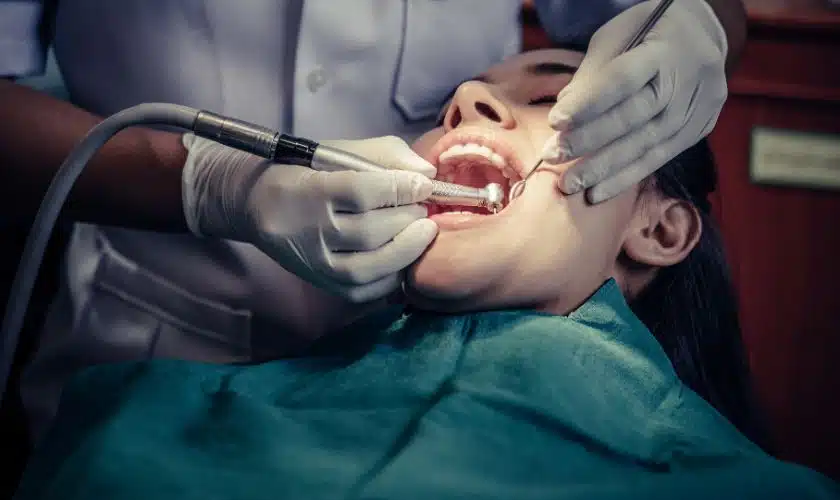
Are you scheduled for a tooth extraction? It’s important to know what to avoid after the procedure in order to ensure proper healing and minimize discomfort. Unfortunately, many patients make common mistakes that can prolong their recovery time or even lead to complications. In this blog post, we’ll discuss five things you should avoid after tooth extraction so that you can heal quickly and get back to your normal routine as soon as possible. So grab a cup of tea (but not too hot!) and let’s dive in!
What is a tooth extraction?
Tooth extraction is the process of removing a tooth from its socket in the jawbone. This procedure may be necessary due to several reasons, including severe decay, damage, or trauma.
It’s important to note that tooth extraction should only be performed by a trained dental professional, as it involves cutting into the gum tissue and bone.
Depending on the complexity of the case, anesthesia may be required during a tooth extraction to ensure patient comfort.
Afterward, patients will typically experience some discomfort and swelling. It’s essential to follow post-operative instructions carefully for optimal healing outcomes.
While there are several alternatives available, such as root canal therapy or crowns, sometimes a tooth extraction is unavoidable. If you’re experiencing any discomfort in your teeth or gums, make sure to consult with your dentist immediately so they can help you determine what treatment options are best for you.
1. Not drinking enough water
After tooth extraction, it is crucial to stay hydrated. Not drinking enough water can lead to dehydration, which slows down the healing process and causes discomfort. It’s recommended that you drink at least 8-10 glasses of water daily after tooth extraction.
Water helps flush out toxins from your body and also reduces inflammation around the affected area. This aids in reducing pain and swelling. Moreover, drinking enough water keeps your mouth moist, preventing dry sockets, which is a painful condition where the blood clot gets dislodged, exposing the bone underneath.
Drinking fluids like alcohol or carbonated drinks should be avoided, as they can irritate the wound and cause further complications. You may consider consuming oral rehydration solutions (ORS) or coconut water for an added electrolyte boost.
In case you experience difficulty drinking due to pain, try sipping through a straw placed away from the surgical site. Always consult your dentist if you’re experiencing any discomfort, even after following these steps diligently!
2. Not resting enough
After tooth extraction, it’s important to get enough rest. Resting allows your body to heal and recover from the procedure. Ignoring this crucial step can cause complications that could lead to a longer recovery time.
Resting doesn’t mean lying in bed all day; it simply means avoiding strenuous activities like exercise or heavy lifting for at least 24-48 hours after the procedure. This will prevent any bleeding or swelling that may occur if you exert yourself too much.
It’s also important to keep your head elevated while resting. This helps reduce swelling by allowing gravity to drain fluids away from the area of surgery.
If you have trouble sleeping due to discomfort, try using an extra pillow or propping yourself up against some pillows for support. This will help relieve some pressure on the affected area.
To ensure proper healing, make sure you take plenty of breaks throughout the day and avoid overexertion until your dentist gives you clearance. Remember that rest is an essential part of recovering from tooth extraction!
3. Smoking
Smoking is one of the most harmful habits you can have, especially after tooth extraction. It increases your risk of developing a dry socket, which is a painful condition that occurs when the blood clot at the extraction site dislodges or dissolves.
Not only does smoking interfere with healing and increase your chances of infection, but it also slows down the formation of new tissue in your mouth. The chemicals in cigarettes reduce oxygen levels in your bloodstream and constrict blood vessels, which are essential for proper healing.
It’s important to avoid smoking for as long as possible after having a tooth extracted. This means quitting altogether if you can manage it, or at least waiting until the wound has completely healed before lighting up again.
Remember that every time you smoke during this period, you’re putting yourself at risk of complications and prolonging your recovery time. So do yourself a favor and give up cigarettes for good—not just for dental health reasons but also for overall well-being!
4. Eating the wrong foods
After tooth extraction, it is important to be mindful of the foods you consume. Eating the wrong types of food can lead to complications such as infection or prolonged healing time.
Avoid crunchy and hard foods that require excessive chewing. These include nuts, popcorn, chips, and raw vegetables. Opt for soft foods like mashed potatoes or soups instead.
Acidic foods like citrus fruits and juices can irritate the wound site and cause discomfort. Avoid these types of foods until your mouth has fully healed.
Spicy or hot foods should also be avoided after tooth extraction, as they may cause inflammation in the affected area. It’s recommended to wait a few days before consuming these types of dishes.
Alcohol consumption should be minimized during the recovery period as it can interfere with blood clotting and increase bleeding risk.
By avoiding these types of foods after tooth extraction surgery, you’ll help promote faster healing times and reduce your risk for complications.
5. Not visiting the dentist regularly
Visiting the dentist regularly is crucial for maintaining good oral health. After tooth extraction, it becomes even more important to keep in touch with your dentist and schedule regular checkups. Failure to do so can lead to complications that could have been avoided.
Your dentist will monitor your healing process and ensure everything is going smoothly. They may also prescribe medication or recommend certain treatments if they notice any issues. It’s essential to follow their advice and attend all scheduled appointments.
Regular dental visits also give you an opportunity to discuss any concerns or questions you may have about your recovery process. Your dentist can provide guidance on caring for the extraction site, managing pain, and avoiding potential risks.
Neglecting dental appointments after tooth extraction may result in long-term damage that could require additional procedures down the line. By staying in contact with your dentist throughout the healing process, you’re taking proactive steps towards better oral health overall.
The bottom line
Taking care of your teeth after a tooth extraction is crucial to ensuring that the healing process goes smoothly. Avoiding certain things, such as smoking, eating hard foods, and not drinking enough water, can help prevent complications like infections, dry sockets, or prolonged pain. Resting well and visiting your dentist regularly are also key factors in ensuring proper recovery.
It’s important to follow these guidelines for at least 24-48 hours post-extraction, but it’s equally important to continue taking good care of your oral health long after the procedure has been completed. By maintaining good oral hygiene habits and avoiding harmful habits like smoking, you’ll be able to keep your mouth healthy and free from any further complications.
Remember that each person may have different needs when it comes to post-tooth extraction care; therefore, if you have any doubts or concerns about what’s best for you during this time period, don’t hesitate to book an appointment with your dentist immediately. With proper attention, rest, and patience—plus a little bit of luck—you’ll be back on track with a happy smile soon enough!