
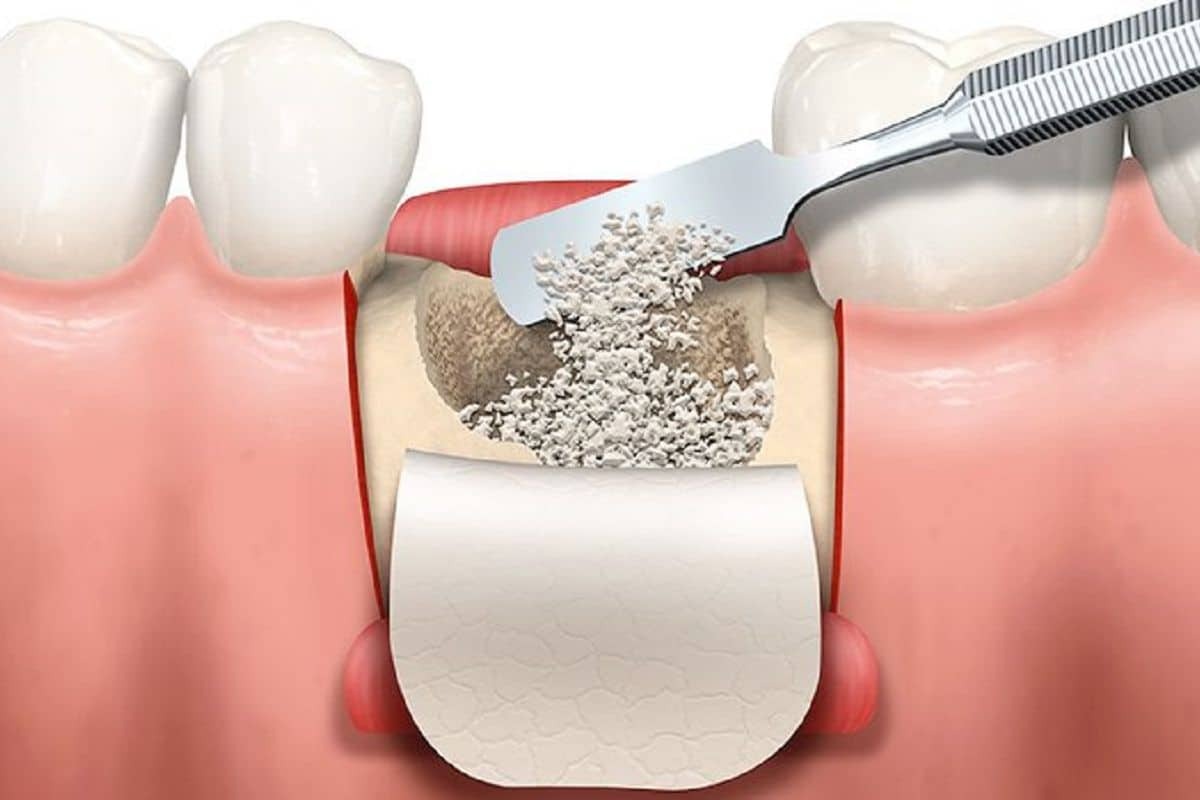
Bone grafting is a common procedure in oral surgery, often necessary for dental implant placement, jawbone reconstruction, or treating bone loss caused by periodontal disease. The success of a bone graft depends on choosing the right type based on the patient’s needs. Below, we discuss the primary types of bone grafts used in oral surgery and their unique benefits.
1. Autografts (Autogenous Bone Grafts)
Autografts involve using bone harvested from the patient’s own body, typically from the jaw, hip, or tibia. These grafts are highly effective because they contain live bone cells and growth factors that promote healing and integration. The main benefits of autografts include:
- High biocompatibility with no risk of immune rejection
- Strong potential for bone regeneration
- Reduced risk of disease transmission
However, autografts require a second surgical site, which can increase healing time and discomfort.
2. Allografts (Human Donor Bone Grafts)
Allografts use bone tissue sourced from a human donor, typically obtained from a bone bank. These grafts undergo thorough processing and sterilization to remove cells and reduce the risk of disease transmission. The advantages of allografts include:
- Eliminates the need for a second surgical site
- Readily available and easy to use
- Can support bone regeneration effectively
Since allografts lack live bone cells, they rely on the body’s natural ability to replace the graft with new bone over time.
3. Xenografts (Animal-Derived Bone Grafts)
Xenografts come from non-human sources, most commonly bovine (cow) bone. These grafts undergo extensive processing to remove proteins, leaving behind a mineral matrix that serves as a scaffold for new bone growth. The benefits of xenografts include:
- No need for an additional surgery site
- High availability and long shelf life
- Effective for large or complex grafting procedures
While xenografts integrate well with the human bone, they take longer to be replaced by natural bone compared to autografts or allografts.
4. Alloplasts (Synthetic Bone Grafts)
Alloplasts are made from biocompatible synthetic materials such as calcium phosphate, hydroxyapatite, or bioactive glass. These materials mimic the mineral composition of natural bone and provide a scaffold for new bone growth. The advantages of alloplastic include:
- No risk of disease transmission
- Abundant supply with consistent quality
- Can be customized for specific patient needs
While alloplasts do not contain natural growth factors, they can be enhanced with bioactive agents to improve bone regeneration.
Choosing the Right Bone Graft
The selection of a bone graft depends on various factors, including the patient’s overall health, the extent of bone loss, and the intended outcome of the procedure. Consultation with an oral surgeon or periodontist is essential to determine the most suitable option for optimal healing and successful treatment.
Bone grafting is a vital tool in modern oral surgery, allowing patients to restore bone structure and improve oral function. Understanding the different types of bone grafts helps patients make informed decisions about their dental health.