
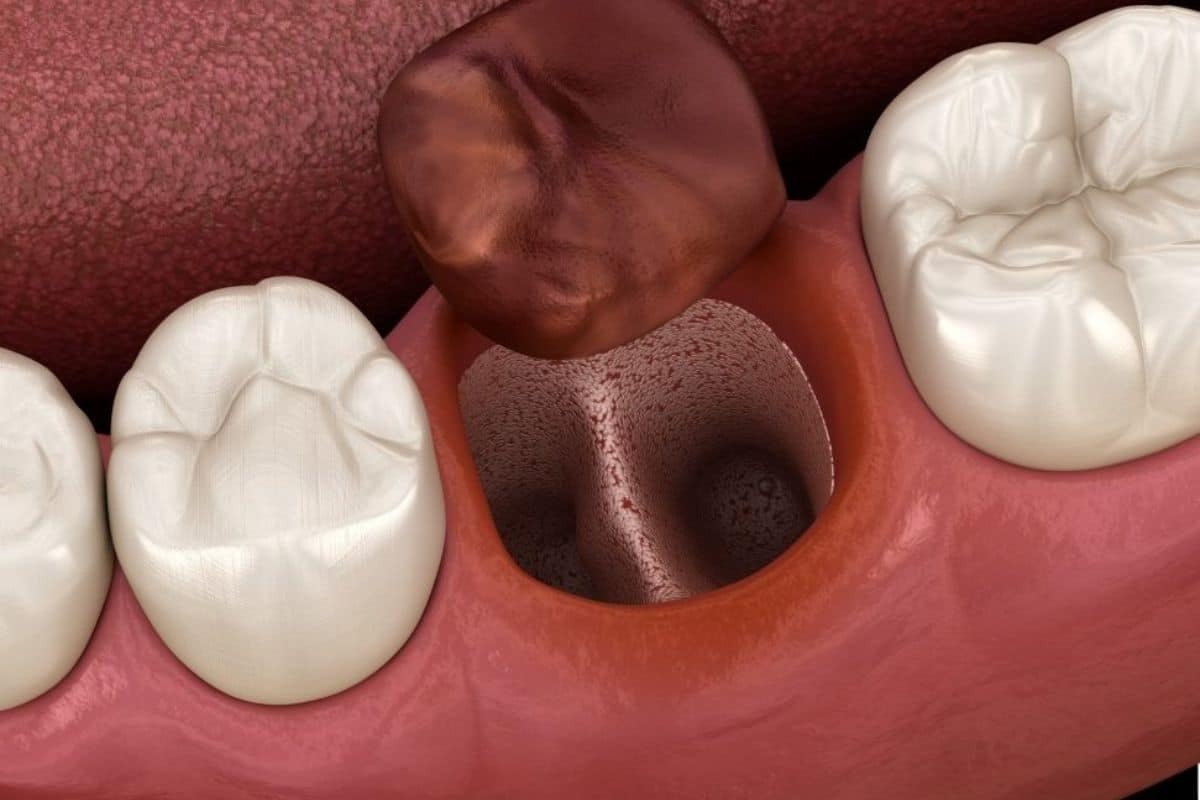
Dry socket, or alveolar osteitis, is a painful condition that can occur after a tooth extraction, particularly after wisdom teeth removal. It happens when the blood clot that normally forms in the empty socket is lost or fails to develop, exposing the underlying bone and nerves. This condition can cause severe pain and delay healing. If you suspect you have a dry socket, it’s important to seek treatment to alleviate discomfort and prevent complications. Here’s a comprehensive guide on how to treat dry sockets effectively.
Recognizing the Symptoms of Dry Socket
Before diving into treatment options, it’s crucial to recognize the symptoms of dry socket:
- Severe, throbbing pain at the extraction site that worsens over time
- Pain radiating to the ear, eye, or temple on the affected side
- Visible empty socket with exposed bone
- Bad breath or unpleasant taste in the mouth
- Swollen lymph nodes and mild fever in some cases
If you experience these symptoms a few days after a tooth extraction, contact your dentist or oral surgeon immediately for evaluation and treatment.
Professional Treatment Options
1. Cleaning and Medicated Dressing
One of the most effective ways to treat dry sockets is to have your dentist clean the affected area and apply a medicated dressing. This helps:
- Alleviate pain
- Protect the exposed bone and nerves
- Promote healing
The dressing may need to be changed every few days until the pain subsides and healing progresses.
2. Pain Management
Your dentist may recommend or prescribe pain relievers, such as:
- Over-the-counter NSAIDs (ibuprofen, naproxen) for mild to moderate pain
- Prescription pain medication for severe discomfort
- Topical anesthetics or numbing gels to reduce pain temporarily
3. Irrigation and Cleaning
Your dentist might flush the socket with saline or an antiseptic solution to remove any debris and bacteria, reducing the risk of infection and promoting faster healing.
4. Antibiotics (If Needed)
If there’s a risk of infection, your dentist may prescribe antibiotics to prevent further complications. This is especially important for patients with weakened immune systems or pre-existing conditions.
Home Remedies to Aid Recovery
While professional treatment is essential, you can also follow these home remedies to aid in pain relief and promote healing:
1. Rinse with Salt Water
Gently rinsing your mouth with warm salt water several times a day can help keep the extraction site clean and reduce discomfort. Avoid aggressive rinsing, as it may dislodge the healing tissue.
2. Apply Cold and Warm Compresses
- Cold Compress: Apply an ice pack to the outside of your cheek for the first 24 hours to reduce swelling and numb the pain.
- Warm Compress: After the first day, switch to a warm compress to promote blood flow and encourage healing.
3. Stay Hydrated and Avoid Certain Beverages
Drink plenty of water to stay hydrated, but avoid:
- Carbonated drinks
- Alcohol
- Caffeinated beverages
- Hot liquids
These drinks can irritate the socket and delay healing.
4. Use Clove Oil for Pain Relief
Clove oil is a natural analgesic that can help numb the pain. Apply a small amount to a cotton swab and gently place it on the affected area for temporary relief.
5. Avoid Smoking and Straws
Smoking and using straws create suction in the mouth, which can dislodge the healing tissue and worsen the condition. Avoid these habits for at least a week after extraction.
Preventing Dry Sockets in the Future
To reduce the risk of a dry socket after a tooth extraction, follow these preventive measures:
- Follow your dentist’s postextraction care instructions carefully.
- Avoid smoking and tobacco use before and after the procedure.
- Stick to soft foods and avoid chewing near the extraction site.
- Practice gentle oral hygiene to keep the area clean without disrupting healing.
- Stay hydrated and avoid alcohol and carbonated beverages.
A dry socket is a painful yet treatable condition that requires prompt attention. Seeking professional care and following home remedies can greatly alleviate discomfort and expedite recovery. If you suspect you have a dry socket, don’t hesitate to reach out to Dr Jason Augustine DDS for the best course of action. Proper post-extraction care and preventive techniques will help ensure a smooth and pain-free healing process.
