
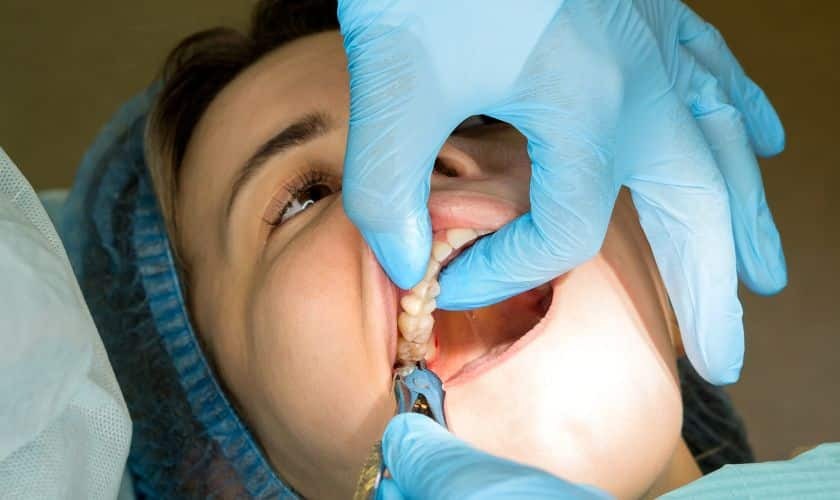
Are you dealing with a toothache that just won’t quit? It’s time to face the dental dilemma: should you opt for a tooth extraction or go down the root canal route? While both procedures can provide relief and restore your oral health, today we’re going to dive into the benefits of choosing tooth extraction over root canals. So grab your dentist’s chair and let’s explore why pulling the plug may be the best decision for your pearly whites! In this blog post, we’ll discuss everything from pain management to aftercare tips, all centered around Tooth Extraction in Phoenix. Get ready to say goodbye to that troublesome tooth and hello to a happier smile!
The Pain of Tooth Extraction
Nobody likes the thought of dental pain, but when it comes to tooth extraction, there’s bound to be some discomfort involved. It’s important to understand that while modern dentistry has made great strides in minimizing pain during procedures, some level of soreness is expected afterward.
During a tooth extraction, your dentist will administer local anesthesia to numb the area around the tooth being removed. This ensures that you won’t feel any sharp or intense pain during the procedure itself. However, you may still experience sensations of pressure or tugging as the tooth is gently loosened and extracted from its socket.
Once the anesthesia wears off, it’s common to experience some degree of post-operative pain and swelling. This can vary depending on factors such as the complexity of the extraction and your pain tolerance. Your dentist will provide you with instructions on managing this discomfort through over-the-counter pain medications or prescribed medication if necessary.
It’s worth noting that while there may be temporary discomfort associated with tooth extraction, many patients find relief knowing they’re addressing an underlying issue causing them constant agony. In cases where a root canal might not fully resolve the problem or if preserving neighboring teeth is a concern, opting for extraction can provide long-term relief and prevent further complications down the road.
Remember, every patient’s experience with dental procedures varies – what one person finds painful might be relatively easy for another. Trusting in your dentist’s expertise and following their aftercare instructions diligently will help ensure a smoother recovery process.
The Benefits of Tooth Extraction
The benefits of tooth extraction may not be immediately obvious, but in some cases, it can be the best option for your dental health. While root canals are often seen as the go-to solution for saving a damaged tooth, there are situations where extraction is preferred.
One major benefit of tooth extraction is that it eliminates the source of pain and discomfort. If you have a severely infected or decayed tooth that cannot be effectively treated with other methods, extracting the tooth can provide much-needed relief. By removing the problem tooth, you can alleviate pain and prevent further complications.
Another advantage of tooth extraction is that it allows for better overall oral health. In some cases, attempting to save a damaged or infected tooth through a root canal may only delay more serious issues down the line. By removing the problematic tooth completely, you eliminate any potential risks associated with its presence.
Tooth extraction also provides an opportunity to explore other restorative options such as dental implants or bridges. With a missing tooth space available after an extraction, these alternatives can offer long-term solutions to restore both functionality and aesthetics.
It’s important to note that every case is unique and consulting with your dentist is crucial in determining whether extractions are necessary or if alternative treatments like root canal therapy should be pursued instead. Your dentist will consider factors such as your overall oral health condition and specific circumstances before making recommendations.
While root canals are often considered standard treatment for many dental issues, there are instances where extracting a damaged or infected tooth offers distinct advantages. The elimination of pain and improved oral health are just some of the benefits that make this procedure worth considering when appropriate.
The Risks of Tooth Extraction
The thought of tooth extraction can be intimidating, especially when considering the potential risks involved. While tooth extraction is generally a safe procedure, it’s important to be aware of the possible complications that may arise.
One risk associated with tooth extraction is infection. After the procedure, there is a chance that bacteria can enter the socket and cause an infection. This can lead to pain, swelling, and difficulty healing properly. To minimize this risk, your dentist will likely prescribe antibiotics or recommend proper oral hygiene practices.
Another potential risk is damage to surrounding teeth or structures. During the extraction process, adjacent teeth or nerves may accidentally be damaged. This can result in prolonged numbness or tingling sensations in certain areas of your mouth.
Additionally, excessive bleeding is another concern after tooth extraction. While some bleeding is normal immediately following the procedure, if it persists for an extended period or becomes severe, you should seek immediate medical attention.
A dry socket is a common complication that occurs when blood clotting fails at the site of extraction. This exposes sensitive bones and nerves beneath and causes intense pain.
It’s essential to discuss any concerns you have about these risks with your dentist before undergoing tooth extraction so they can provide appropriate guidance and support throughout the process.
Which Tooth Should be Extracted?
Which tooth should be extracted? This is a common question that arises when considering tooth extraction as a treatment option. The decision of which tooth to extract depends on several factors, including the severity of the dental issue, the position of the affected tooth, and the overall oral health of the patient.
In some cases, a severely decayed or damaged tooth may need to be extracted. This could be due to extensive decay that cannot be effectively treated with root canal therapy or other dental procedures. Additionally, teeth that are impacted or cause crowding in the mouth may also require extraction.
Another factor to consider is whether an extracted tooth can be replaced with a dental implant or prosthetic device. If there is no viable replacement option available, preserving natural teeth becomes even more important.
It is crucial to consult with your dentist or oral surgeon who will evaluate your specific situation and recommend appropriate treatment options. They will consider all relevant factors before deciding which tooth should be extracted for optimal oral health and functionality.
Remember, every case is unique, so always seek professional advice from qualified dental professionals for personalized recommendations regarding your specific dental needs
How to Prepare for Tooth Extraction
Preparing for a tooth extraction can help ensure a smooth and successful procedure. Here are some important steps to take before undergoing this dental treatment.
It’s crucial to have a thorough discussion with your dentist about the extraction process. This will allow you to understand why the tooth needs to be removed and what you can expect during and after the procedure. Your dentist may also provide specific instructions tailored to your case.
Before the extraction, it’s recommended to inform your dentist about any medications or supplements you are currently taking. They may advise you on whether certain medications should be stopped before the procedure or adjusted accordingly.
It is important to arrange transportation for the day of the extraction, as driving immediately afterward might not be safe due to possible drowsiness or discomfort from anesthesia. Having someone accompany you can also provide support during recovery.
On the day of your appointment, make sure to follow any pre-operative fasting guidelines provided by your dentist. This typically involves refraining from consuming food or drink for a specified period before the surgery.
You must maintain good oral hygiene leading up to your tooth extraction. Brushing twice daily and flossing regularly will help minimize bacteria in your mouth and reduce the risk of infection post-extraction.
By following these preparation tips, you’ll be setting yourself up for a successful tooth extraction experience!
After Tooth Extraction: Care and Prevention
Taking care of your oral health after a tooth extraction is crucial to ensure proper healing and prevent any complications. Here are some steps you can take to promote healing and minimize discomfort:
- Follow post-operative instructions: Your dentist will provide you with specific guidelines on how to care for the extraction site. It’s important to follow these instructions carefully, as they are tailored to your individual needs.
- Manage pain and swelling: Some discomfort, swelling, or bruising is normal after a tooth extraction. To manage pain, your dentist may recommend over-the-counter pain relievers or prescribe medication if necessary. Applying an ice pack on the outside of your cheek can also help reduce swelling.
- Maintain good oral hygiene: While it’s essential to be gentle around the extraction site, it’s crucial not to neglect the rest of your mouth during recovery. Continue brushing twice a day with a soft-bristled brush, but avoid touching the extraction area.
- Avoid certain foods and habits: Stick to soft foods that require minimal chewing for the first few days after tooth extraction. Also, refrain from using straws or smoking cigarettes as these activities can dislodge blood clots and hinder proper healing.
- Rest and relax: Give yourself ample time to recover by resting and avoiding strenuous activities for at least 24 hours following the procedure.
- Attend all follow-up appointments: Regular check-ups with your dentist allow them to monitor your progress, remove any stitches if needed, and address any concerns you may have during the healing process.
By taking these precautions seriously, you’ll significantly reduce the risk of infection or other complications associated with tooth extractions.
Remember that every person’s experience may vary slightly based on their unique circumstances; therefore, always consult with your dentist regarding specific care instructions tailored just for you!
